The Great Bifurcation: Apple’s Ingenious “Data Offloading” Strategy Secures Major Legal Win Against Masimo
 Do Son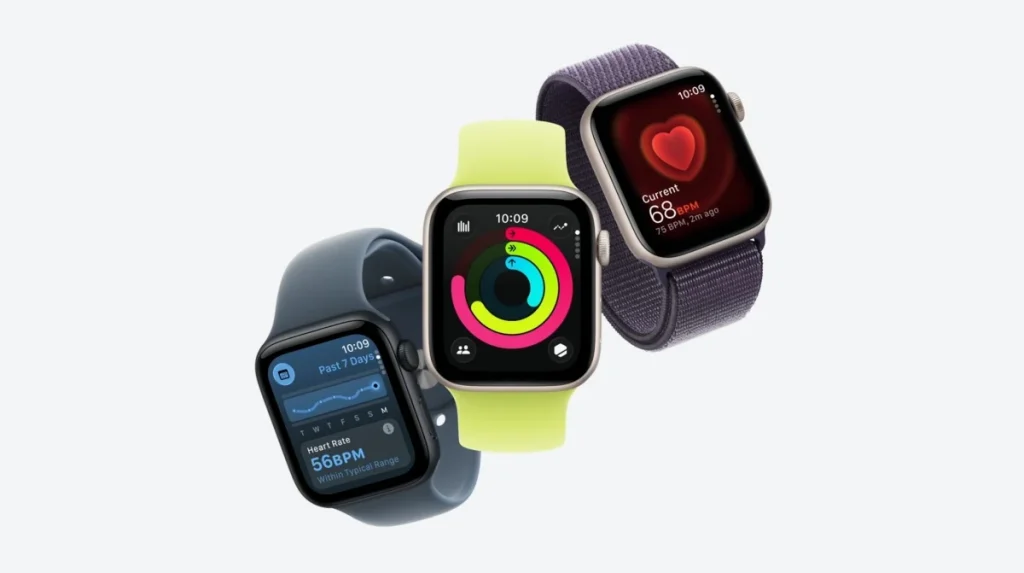
Apple Watch SE 3
The protracted legal labyrinth surrounding the Apple Watch blood oxygen patent dispute within the United States has finally arrived at a pivotal juncture. According to recent dispatches from Reuters, a magistrate of the United States International Trade Commission (ITC) issued a preliminary decree this week, exonerating the “alternative workaround” currently deployed in Apple Watches across the American market from infringing upon the patents held by the medical technology purveyor, Masimo.
This adjudication signifies that Apple has triumphantly fortified its legal perimeter, momentarily staving off a resurgent peril of import embargoes and sales prohibitions. Nevertheless, this embryonic decree remains tethered to the ultimate ratification and formal endorsement of the ITC’s plenary commission. The crux of this contention resides within a profoundly ingenious technical circumvention strategy, architected by Apple in August 2025 to flawlessly navigate around the impending import proscription.
Hitherto, Masimo levied accusations that the native blood oxygen quantification architecture of the Apple Watch usurped its proprietary optical sensing and data processing patents, a transgression that precipitated an ephemeral prohibition on the sale of such adorned timepieces within the United States. In a fervent bid to resurrect the device upon retail altars and resuscitate its accompanying functionalities, Apple orchestrated a profound transfiguration of the blood oxygen detection’s subterranean architecture:
- The subjugation of the sensor to a “purveyor of raw telemetry”: The optical sensors nestled within contemporary Apple Watches retailed within the American dominion are relegated strictly to the harvest of “unrefined optical data” reflected by the capillaries. The timepiece’s intrinsic silicon resolutely abstains from any mathematical computation or forensic parsing of blood oxygen metrics.
- The migration of computational fortitude to the smartphone: This colossal deluge of untamed, primordial data is instantly transmitted to the tethered iPhone. It is the formidable processor housed within the smartphone that assumes the mantle of executing the foundational algorithms requisite for blood oxygen deduction.
- The constrictions upon terminal manifestation: The culminating revelation of the blood oxygen concentration can solely be perceived upon the canvas of the iPhone’s display; the Apple Watch itself is stripped of the capacity to natively project this metric.
This stratagem of emasculating the timepiece’s computational autonomy and bequeathing dominion to the smartphone had previously persuaded the United States Customs and Border Protection (CBP), securing the hallowed clearance of compliance. This decree effectively permitted Apple Watches upon American soil to undergo a functional resurrection of their blood oxygen quantification capabilities. Masimo, unequivocally, harbored profound resentment toward this exoneration by the customs authority.
The enterprise responded not merely by orchestrating a direct legal assault against the CBP—levying accusations of jurisdictional overreach and illicit machinations—but concurrently intensified pressure upon the ITC. They fervently demanded an exhaustive inquisition to ascertain whether Apple’s nascent architecture constituted a transgression against the primordial import embargo. However, this preliminary decree handed down by the ITC’s administrative magistrate serves as a resounding rebuke to Masimo’s entreaties. It stands as an irrefutable testament that Apple’s stratagem—the physical bifurcation of “data harvest” from “data synthesis”—has triumphantly endured the rigorous crucibles of both technological compliance and the labyrinthine definitions of patent law.
Support Our Threat Intelligence
Find our tech and OS security coverage helpful? Support our work today and unlock a 100% ad-free reading experience!
 Buy Me a Coffee
