
 Do Son
Google’s new Gemma 3 270M model packs powerful performance into a tiny 270M-parameter size, perfect for on-device AI and edge computing.
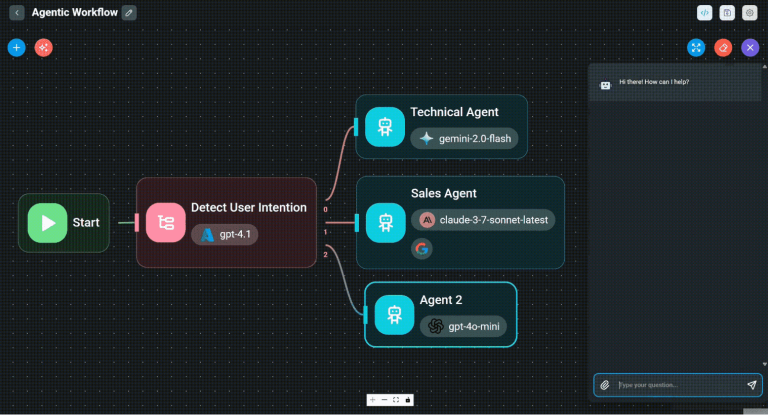
Two critical remote code execution (RCE) vulnerabilities with CVSS scores of 9.8 were found in the open-source Flowise AI platform.

A phishing attack compromised the maintainer of a popular npm package, eslint-config-prettier, leading to the spread of malware to thousands of projects.

After an 18-year presence, Sony has officially completed its withdrawal from the Russian market, ceasing all local operations and customer support.

Microsoft has released an update to fix a bug in Windows Server 2019 that caused cluster disruptions and virtual machine reboots with BitLocker and CSV.

ChatGPT is reportedly considering ads as a way to monetize its massive free user base, with executives stating they don't rule out the possibility.
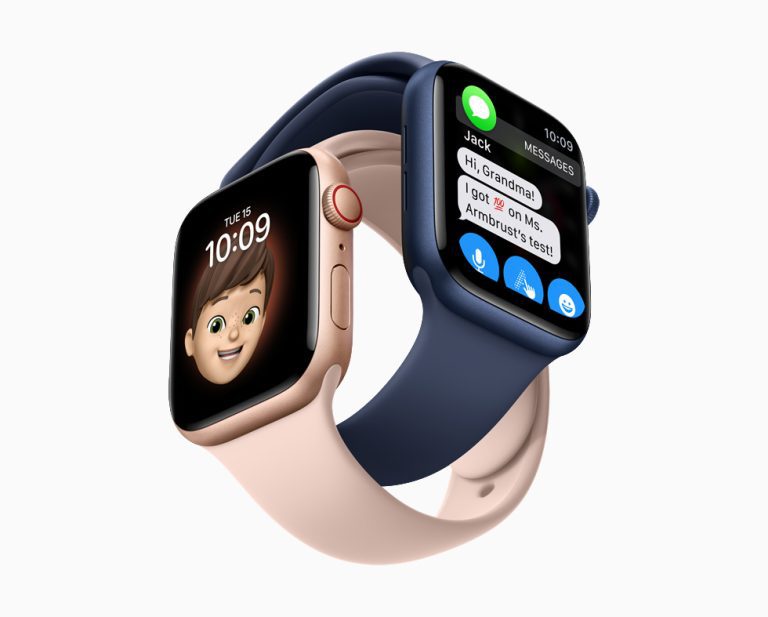
Apple has reinstated the blood oxygen monitoring feature on Apple Watch models in the U.S. following a legal win, using a software update to work around a patent dispute.

The Trump administration is reportedly in talks to take an equity stake in Intel, a move that would financially support its Ohio campus and advance U.S. tech manufacturing.

Google Flights introduces "Flight Deals," a new AI-powered search feature that uses natural language to find the best airfare for flexible travelers.

Apple is reportedly developing a high-end, AI-powered smart camera and doorbell to compete with Amazon's Ring and Google Nest in the home security market.

A critical vulnerability (CVE-2025-7972) in Rockwell Automation's FactoryTalk Linx software allows attackers to bypass authentication and alter industrial networks.

ImageMagick has patched four security vulnerabilities, including high-severity memory corruption bugs, that could affect applications using the toolkit.

A critical vulnerability (CVE-2025-20265) in Cisco Secure Firewall Management Center allows unauthenticated attackers to execute commands with high privilege.

ThreatFabric researchers have uncovered PhantomCard, an Android Trojan that uses an NFC relay attack to steal contactless card data and enable fraudulent payments.

Trend Micro research exposes Crypto24, a coordinated ransomware operation that uses legitimate tools, custom malware, and advanced evasion tactics to breach and extort victims.

Apache Tomcat has released updates for two serious flaws: a session fixation vulnerability and a "MadeYouReset" DoS vulnerability affecting multiple versions.

A new vulnerability, "MadeYouReset," has been discovered in HTTP/2, allowing attackers to exploit stream resets to launch devastating denial-of-service attacks.

Google Play now requires custodial crypto wallet providers in 15+ jurisdictions to obtain licenses. Non-custodial wallets are exempt from the new rules.

Microsoft has permanently removed the outdated and insecure PowerShell 2.0 from Windows 11, a move that enhances security but may affect some enterprise scripts.

An Ethereum developer lost funds to a fake AI extension that stole his private key, highlighting how even experts can fall victim to sophisticated phishing attacks.

A 2017 Microsoft Office flaw, CVE-2017-11882, is still being exploited by attackers, proving that outdated software remains a major security risk.

Microsoft's Universal Print Anywhere is now available to all users, offering a secure cloud printing solution with QR code authentication to prevent data leakage.