
 Do Son
Apple recently issued a new lobbying statement claiming that the EU’s Digital Markets Act (DMA) is delaying...
Latest news

The end of support for Windows 10 is now drawing very near. Microsoft has already introduced its...

The Guardian recently reported that a division of Israel’s Ministry of Defense had been using Microsoft Azure...

The Linux community is patching two new vulnerabilities in the HID (Human Interface Device) core subsystem, tracked...

Cisco has disclosed a zero-day vulnerability affecting its Secure Firewall Adaptive Security Appliance (ASA) Software and Secure...

Cisco has disclosed a critical vulnerability affecting multiple product lines, including Secure Firewall ASA, Secure Firewall Threat...

Socket’s Threat Research Team has uncovered a supply chain attack involving two malicious Rust crates—faster_log and async_println—that...

Cisco has released software updates addressing a zero-day vulnerability in the VPN web server of its Secure...

The Apache Software Foundation has released a fix for Apache Airflow, a popular open-source platform for authoring,...

Google Threat Intelligence Group (GTIG) and Mandiant Consulting have released new findings on BRICKSTORM, a backdoor malware...

An attacker could exploit CVE-2023-45802 to exhaust the server's memory. This bug affects Apache HTTP Server versions 2.4.55 through 2.4.57

CVE-2023-5552, as identified in the official vulnerability database, pertains to an information disclosure flaw.

In the case of CVE-2023-46227, an attacker can inject malicious code into a serialized data object and then send that object to an Apache InLong server

Citrix has since revised its recommendations, noting that CVE-2023-4966 exploits were found on unprotected devices.

Know Your Customеr (KYC) verification has become more crucial than еvеr in thе contеmporary corporatе landscapе. It’s,...

Microsoft has flagged two North Korean cyber threats, Diamond Sleet and Onyx Sleet, capitalizing on a vulnerability in the JetBrains

It was discerned that over 40,000 of these relied on default passwords, notably the term "admin" or its variants.

CVE-2023-34050 is a deserialization bug in the Spring AMQP project, which is a popular Java library for developing messaging solutions

Cybersecurity experts from Kaspersky identified a slew of fresh malware samples linked to the notorious MATA cluster

Google's TAG identified multiple state-sponsored hacking groups actively leveraging a known vulnerability (CVE-2023-38831) in WinRAR
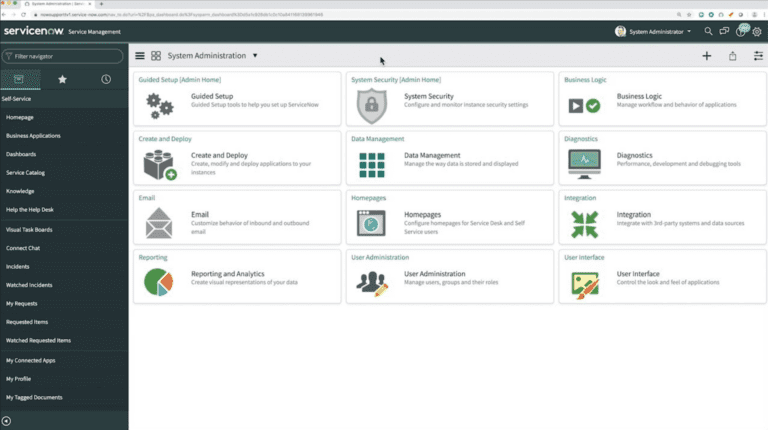
Miessler believes the vulnerability to be an erroneous configuration in a ServiceNow component or widget named 'Simple List'

attackers can exploit CVE-2023-45727 to transmit Proself account data externally, potentially enabling unauthorized access to Proself.

Researchers from Elastic Security Labs have unearthed a new backdoor, BLOODALCHEMY, employed in attacks against the nations of ASIAN
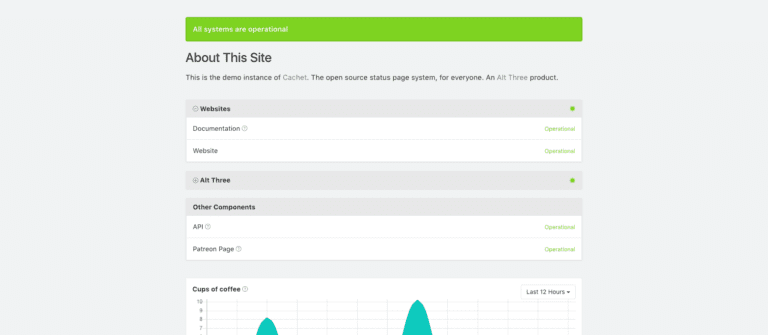
The digital community has been abuzz with discussions about CVE-2023-43661, which comes with a high CVSS score of 9.1

CVE-2023-45133 can potentially allow attackers to execute arbitrary code during the compilation process of specially crafted malicious code
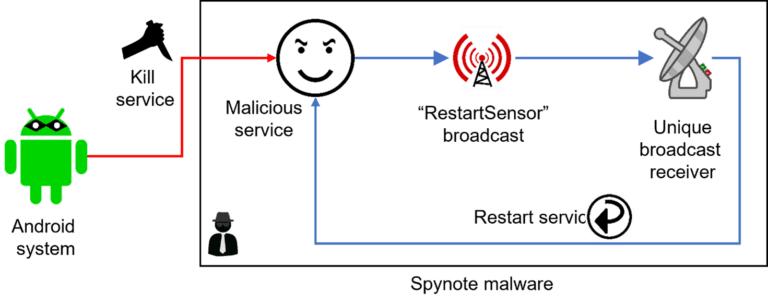
F-Secure undertook an in-depth examination of the Android spyware, SpyNote, uncovering its vast capabilities for gathering sensitive data

CVE-2023-45158 (CVSS score of 8.1) is an OS command injection vulnerability in the web2py web application framework.

Bearing the identifier CVE-2023-20198, this vulnerability carries a maximum CVSS score of 10, signifying its critical severity.

The vulnerability, CVE-2023-45757, is an XSS vulnerability. XSS vulnerabilities allow attackers to inject malicious code into web pages

The XorDDoS Trojan specifically targets Linux devices, turning them into remote-controlled 'zombies'. Once infected, these devices
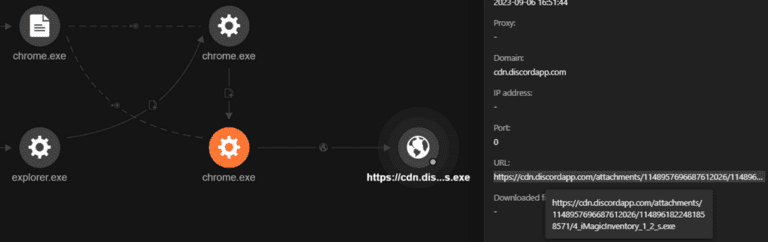
Trend Micro has spotlighted a sinister trend: cybercriminals are deploying a pernicious malware named Lumma Stealer via Discord

This vulnerability, CVE-2023-5178, can be exploited by attackers to execute arbitrary code on vulnerable systems.