 Do Son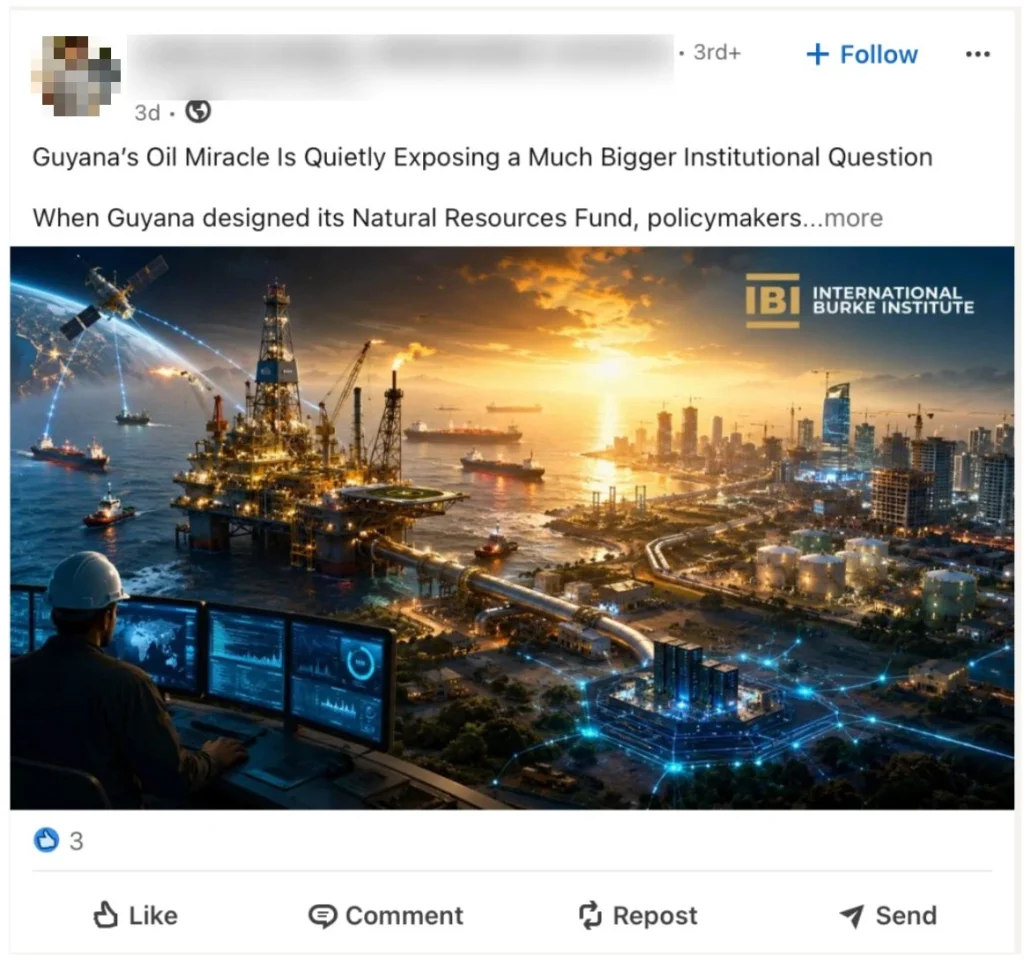
LinkedIn post generated by this operation and posted on the platform
At a glance
| Actor / Group | Suspected Russian influence operators |
| Activity Type | Covert influence operation, social media spam, fake think tank |
| Targets / Victims | Audiences across the US, Germany, France, Poland, and Turkiye |
| Scale | Dozens of social media channels; 10,000 to 20,000 Telegram subscribers |
| Jurisdiction / Status | Commercial account bans; no criminal indictments filed |
| Source | OpenAI Threat Intelligence |
OpenAI disrupted a covert Russian influence campaign that used AI accounts to promote a fraudulent think tank. The operators created fake academic websites and social media personas to spread political propaganda across multiple Western nations. Consequently, OpenAI banned the responsible account cluster to protect online discourse from coordinated deception.
What Happened During the Operation
The operators built an elaborate digital ecosystem around an entity named the International Burke Institute (IBI). This organization claimed to be a legitimate research center based in Israel. In reality, the website hosted plagiarized articles stolen from real academic publications. The operators then used AI tools to craft social media commentary that drove traffic toward the fake institute.
According to researchers, “The operation’s main use of ChatGPT was to generate social media posts that promoted articles on the IBI website.” The threat actors generated comments in English and posted them on X, LinkedIn, Facebook, Substack, and Telegram. Furthermore, they instructed AI models to remove any Russian linguistic patterns to conceal their origins.
Fabricated Research and Misattributed Content
The IBI website featured dozens of stolen research papers to manufacture false credibility. In fact, a review of 36 published articles revealed that 34 were copied directly from legitimate academic sources. The operators also misattributed these articles to unrelated scholars.
In addition, the website published a custom “sovereignty index” designed to praise Russia and denigrate Western nations. These reports criticized the foreign policies of France, Germany, and the United States. However, the operators made translation mistakes that exposed their Slavic origins. For example, one article described the German government coalition as “the Svetofor coalition.” This phrase is a literal translation of the Russian word for traffic light.
Multi-Platform Distribution Channels
Beyond promoting the fake think tank, the operators managed regional Telegram channels targeting European and American audiences. These channels shared political commentary that criticized Ukraine and the European Union. Furthermore, the operators used AI tools to generate channel logos and translate operational summaries into Russian.
Who Is Behind the Campaign
OpenAI attributed the activity to operators based in the Russian Federation with high confidence. The investigation revealed that the actors submitted Russian-language prompts through virtual private networks to bypass geographic restrictions.
The company stated, “We banned a cluster of ChatGPT accounts that very likely originated in Russia.” Additionally, the researchers noted, “This is, to the best of our knowledge, a new and previously unreported covert influence campaign.” While the online personas claimed Israeli origins, digital traces and language artifacts pointed directly to Russian-speaking actors.
Impact and Operational Scale
The direct public reach of this Russian influence campaign remained relatively limited across mainstream platforms. Official IBI social media accounts attracted few followers and generated minimal engagement. However, several affiliated Telegram channels managed to build audiences of 10,000 to 20,000 subscribers.
The true significance of this campaign lies in its organizational structure. The operators attempted to build lasting authority by combining plagiarized scholarship with automated social engagement. As OpenAI observed, “those posts pointed to an otherwise credible-appearing institution, complete with purported experts.”
What Comes Next and How Readers Can Stay Protected
AI developers and social media platforms continue to track and dismantle deceptive networks. Users must exercise vigilance when evaluating political commentary and unfamiliar think tanks online.
Verify Independent Sources
Always verify the credentials of unfamiliar research institutions. Cross-check cited academic papers to confirm that the purported authors actually wrote the content.
Examine Language Patterns
Look for unnatural phrasing or literal translations in political articles. Automated translation tools often leave distinct grammatical clues.
Audit Social Profiles
Check social media accounts for recent creation dates and repetitive sharing patterns. Authentic researchers rarely rely exclusively on single-topic promotional accounts.
Support Our Threat Intelligence
Find our threat intelligence and malware analysis helpful? Support our work today and unlock a 100% ad-free reading experience!
 Buy Me a Coffee
