 Do Son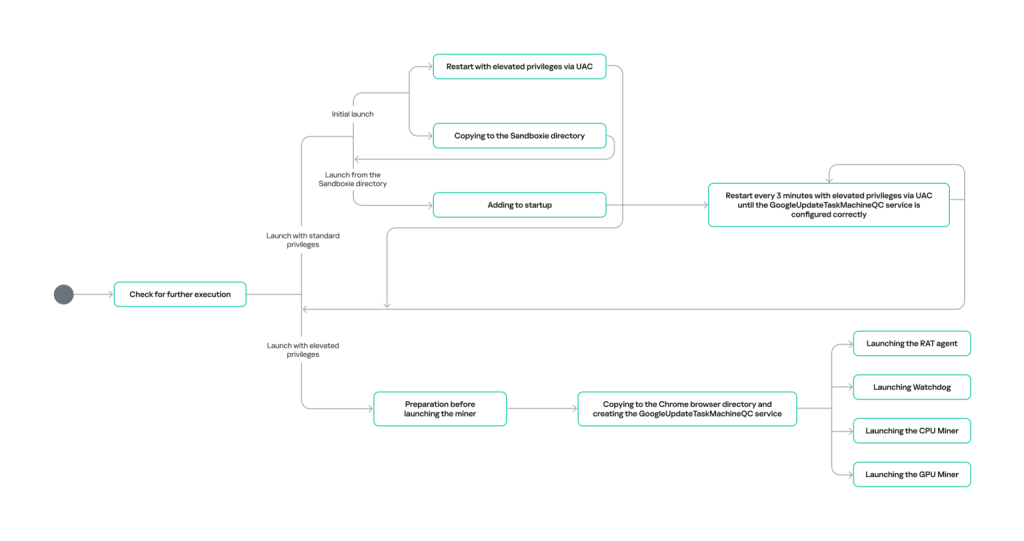
Main module | Image: Kaspersky Labs
Cybercriminals are currently deploying a dangerous SilentCryptoMiner variant across high-traffic digital entertainment platforms. Specifically, an incident response investigation from Kaspersky Labs in late April 2026 exposed the massive scope of this threat. Attackers successfully compromised millions of devices by leveraging deceptive streaming setups. Consequently, individual users face severe system degradation from persistent, unauthorized script execution.
Unmasking the Multi-Platform Delivery Mechanism
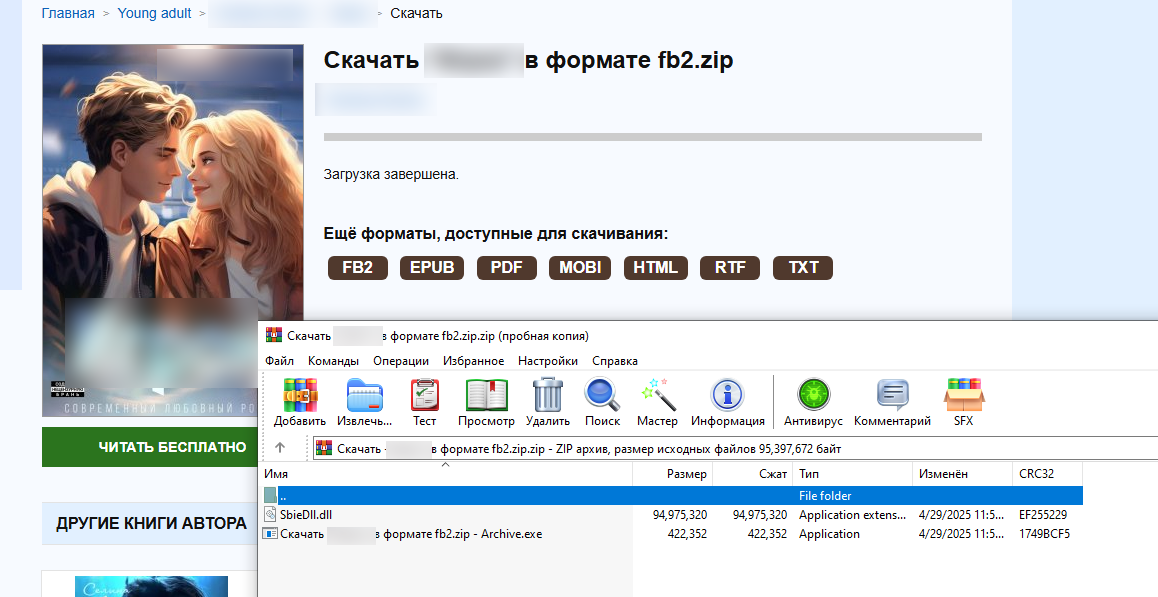
To begin with, the threat actors hide their payloads within popular pirated content hubs. For example, users attempting to watch videos encounter a deceptive alert about an outdated application. The warning states, “Oops your browser’s HLS plugin version is too low. Please upgrade to the latest version and try again”. Alternatively, the operators distribute malicious archives via corrupted digital book libraries. In addition, researchers observed alternative campaigns displaying fake browser crash pages to trigger downloads. Therefore, the infection vector spans multiple types of online consumer services.
Explaining the Sophisticated Infection Chain
Once a victim runs the installer, an intricate execution process unfolds silently. First, the system executes a legitimate host binary that initiates a secondary module upload. “Launching the EXE triggered a DLL side-loading mechanism, injecting the malicious module into a legitimate program process and executing code within its context”. Interestingly, the malicious library file contains significant amounts of generated junk code. This random data deliberately inflates the asset size to frustrate automated sandbox analysis. However, a hidden function inside the file actively triggers a strategic stack overflow.
The Binary Exploitation Phase
Crucially, the code utilizes a restricted buffer to manipulate memory structures directly. “Based on the code, the size of the stackBuf buffer on the stack is only 64 bytes, and the SmashStack function overwrites this buffer without validating the length of the input data”. This overflow systematically builds a customized return-oriented programming chain to decrypt the primary payload. Subsequently, control shifts directly to an altered DOS header within the executable. As a result, this shellcode reflectively loads the main module completely inside system memory.
Architectural Analysis of the SilentCryptoMiner Variant
The underlying engine represents a highly customized evolution of an open-source threat framework. Crucially, “The main module is a modified fork of the SilentCryptoMiner project”. To begin validation, the main module gathers basic processor metadata and disk serial numbers. It then transmits this hardware information by utilizing advanced DNS tunneling techniques. Furthermore, the attackers craft custom network packets to disguise this traffic as standard communication. For instance, the outbound queries mimic connections to legitimate domains like microsoft.com.
Privilege Escalation and System Takeover
Meanwhile, the software alters its deployment behavior based on local system permissions. If running with administrator rights, the threat disables built-in operating system security utilities. It actively deletes Microsoft’s Malicious Software Removal Tool to guarantee long-term survival. Moreover, the code modifies server power settings to completely block automatic sleep modes. Alternatively, standard user runs will continuously trigger intrusive privilege prompts. This aggressive routine loops every three minutes until the victim yields control.
Persistent Management and Communication Protocols
Once full control is established, the malware injects separate sub-components into core processes. A persistent watchdog module executes an infinite loop to monitor service integrity. Concurrently, a remote access trojan agent handles direct operator communications. This agent utilizes dynamically generated domains to receive administrative instructions. Ultimately, these operators retain full authority to run arbitrary commands or custom shellcode remotely.
Final Mitigation Strategies
Security teams must look for anomalies in local lookup records to intercept these threats early. Additionally, behavioral monitoring remains critical to block unauthorized process injection. Ultimately, practicing proper digital hygiene will protect your enterprise from this sophisticated SilentCryptoMiner variant.
Support Our Threat Intelligence
Find our threat intelligence and malware analysis helpful? Support our work today and unlock a 100% ad-free reading experience!
 Buy Me a Coffee
