
 Do Son
A Redis cryptomining botnet used a rogue replication attack to hijack 3,562 servers for Monero mining. See how the campaign worked.
XMRig
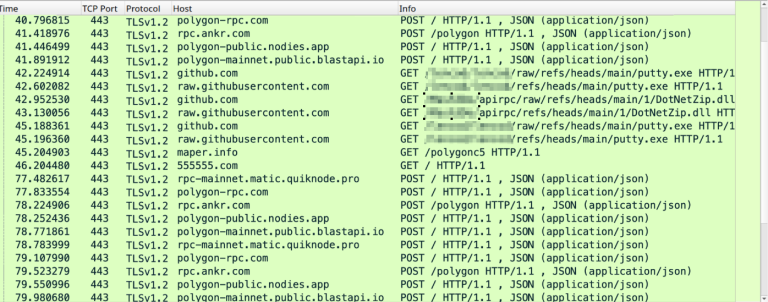
The Aeternum blockchain botnet hides C2 commands inside Polygon smart contracts, evading takedowns while dropping XWorm and XMRig payloads.

Group-IB uncovered XMRig Linux PAM abuse that lets a fileless Monero miner regenerate across user accounts and vanish from disk forensics.

Doctor Web found a supply chain trojan targeting software developers. This developer-targeting malware steals data, crypto wallets, and mines coins.
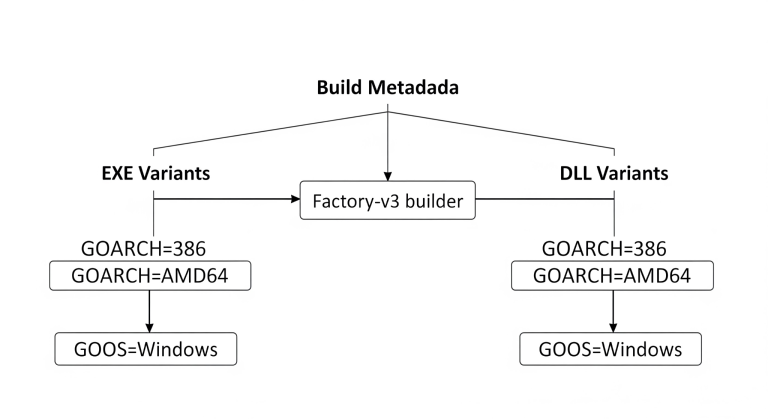
A new Vidar stealer campaign uses the Factory-v3 loader and fake certificates to deploy malware. Learn how attackers hide XMRig and bypass security.
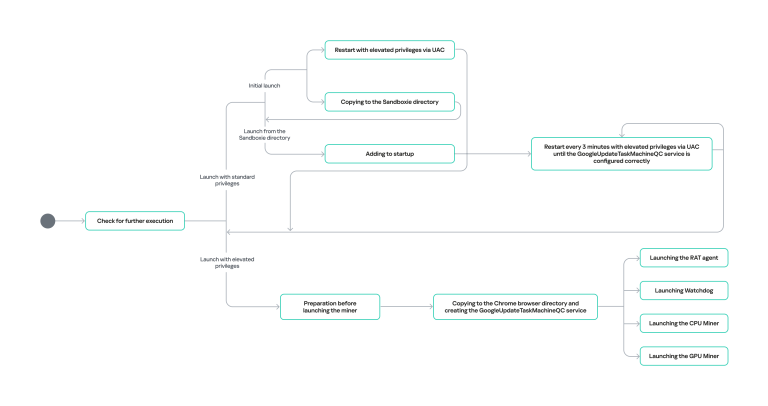
A stealthy SilentCryptoMiner variant uses a fake plugin update to infect systems. Protect your enterprise from this advanced cryptocurrency miner.

Akamai SIRT uncovers a new P2P cryptominer malware threat. Learn how Ollama endpoint attacks use decentralized libp2p networks to evade detection.

BitSight unmasks RondoDox: a modular botnet using "nanomites" to dodge debuggers while hijacking 18 architectures for Monero mining and gaming DoS attacks.
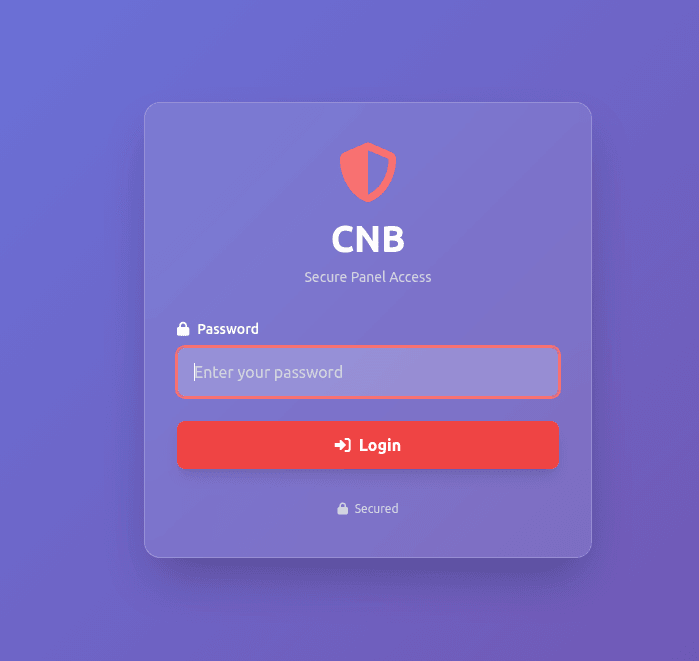
Elastic Security Labs unmasks REF1695, a threat actor using the CNB Bot and custom XMRig loaders for Monero mining and CPA fraud. Is your server a silent miner?
Securonix uncovers FAUX#ELEVATE, a 25-second attack using 10MB "inflated" VBScripts to steal credentials and mine crypto in French corporate environments.

Darktrace detects AI-generated "vibecoding" malware exploiting React2Shell (CVE-2025-55182). Attackers use AI to deploy XMRig miners on Docker.

Malicious PyPI package "sympy-dev" impersonates SymPy to install XMRig miners via fileless execution. Check your dependencies immediately.

CloudSEK uncovers the RondoDoX botnet's expansion into enterprise Next.js apps via the React2Shell exploit, alongside global IoT compromises.

ASEC exposed PrintMiner, a Monero cryptominer spreading via USB LNK files. It uses DLL Side-Loading (printui.exe) and "Smart Mining" to suspend activity when games or Task Manager are opened.

Cybereason exposed Tangerine Turkey, a VBScript worm that spreads via USB drives. It uses LOLBins (printui.exe) and Windows Defender exclusions to deploy the XMRig cryptominer for profit.

A new Mandiant report reveals a multi-stage USB malware campaign that uses DLL side-loading and stealthy loaders to deploy backdoors and coinminers.

A new report reveals a multi-stage cryptomining attack delivered via infected USB drives, a tactic that leverages DLL hijacking to bypass security.

McAfee uncovers a new Android malware campaign targeting Indian users. The malware impersonates major banks to steal financial data and silently mines Monero in the background.

GeoServer's RCE flaw (CVE-2024-36401) is actively exploited to deploy NetCat reverse shells and XMRig CoinMiners on Windows/Linux, hijacking resources.

XMRig cryptojacking is surging, leveraging LOLBAS techniques, PowerShell, and Scheduled Tasks to mine Monero undetected, with a 45% rally in XMR price driving the attacks.

Trend Micro uncovers a new attack method using misconfigured Docker Remote APIs and the Tor network to stealthily deploy cryptominers and establish persistent access.

Librarian Ghouls APT launches a new cyber-espionage and cryptojacking campaign targeting Russia and CIS, using legitimate tools for stealth.