 Do Son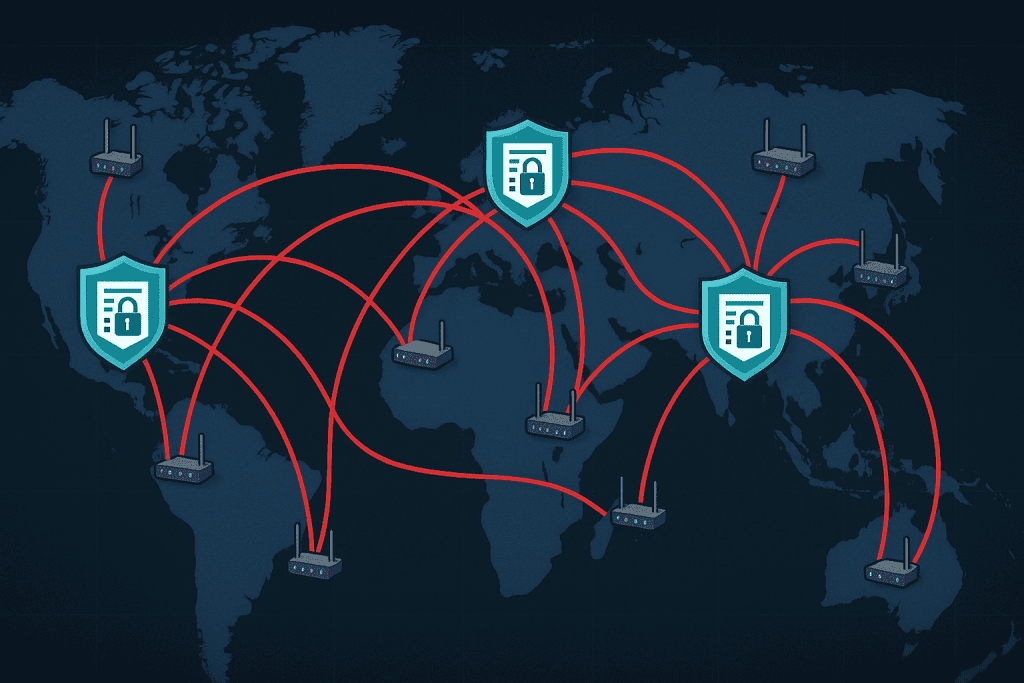
Security analysts recently discovered a sophisticated digital hazard targeting artificial intelligence environments. Specifically, the Akamai Security Intelligence Response Team found a P2P cryptominer malware threat hitting enterprise infrastructure. Threat actors are scanning the internet to locate exposed large language model ports. This automated campaign allows intruders to hijack processing power for illicit financial gains. Consequently, network defenders must upgrade their monitoring systems to address these modern execution tactics.
Exploit Vectors and Installer Execution
To begin with, the intrusion vectors target native configuration interfaces directly. The campaign initiates automated API requests targeting port 11434 to launch dangerous Ollama endpoint attacks. Specifically, the instructions prompt the host to execute an entry script called i.sh. Subsequently, this script leverages multiple tool layers to fetch the primary execution bundle. According to the report, “The script executes the binary and then wipes the file never having stored the file on disk.” Therefore, traditional disk-based antivirus solutions fail to capture the threat.
Evasive Networking and Stealth Architectures
Furthermore, the specialized fileless utility utilizes a custom compilation routine to optimize its stealth footprint. The malicious architecture relies on an integrated peer-to-peer communication layout. By leveraging decentralized layers, the application avoids connecting to conventional static command servers. The technical analysis notes: “The malware’s core innovation is its custom Go-based build and integrated libp2p P2P stack”. In addition, the main process manipulates process output tables to impersonate a standard system kernel thread. As a result, this active P2P cryptominer malware threat can run continuously without alarming administrators.
Deploying Miners and Managing Persistence
Subsequently, the rogue process deploys specialized data collection payloads into the shared memory space. The agent unpacks a configured networking bundle and an adjusted XMRig Monero utility. To avoid immediate notice, the platform restricts the processor threshold to a strict 50 percent limit. Meanwhile, a dedicated backup routine guarantees persistent execution. The threat injects a persistent automated check rule into the root user configuration directories. This crontab routine automatically restarts the application every 15 minutes if it crashes. Thus, the system maintains a durable foothold inside the compromised network asset.
Recommended Defensive Adjustments
Ultimately, organizations must adjust their host observation models to capture these hidden actions. Perimeter teams should inspect outbound traffic for unauthorized connection patterns. For example, administrators can block unapproved QUIC data flows on port 443. Additionally, monitoring unusual memory folder paths will expose unauthorized scripts early. These collective adjustments shield enterprise assets from this stealthy P2P cryptominer malware threat completely.
Support Our Threat Intelligence
Find our threat intelligence and malware analysis helpful? Support our work today and unlock a 100% ad-free reading experience!
 Buy Me a Coffee
