
 Do Son
Threat actors are actively abusing critical AhsayCBS vulnerabilities in the wild to deploy cryptominers. Patch unpatched AhsayCBS vulnerabilities now.
cryptomining

A Redis cryptomining botnet used a rogue replication attack to hijack 3,562 servers for Monero mining. See how the campaign worked.

Akamai SIRT uncovers a new P2P cryptominer malware threat. Learn how Ollama endpoint attacks use decentralized libp2p networks to evade detection.

Snyk warns of active in-the-wild exploitation of the Qinglong platform. Two authentication bypass flaws grant attackers RCE to deploy .fullgc cryptominers.
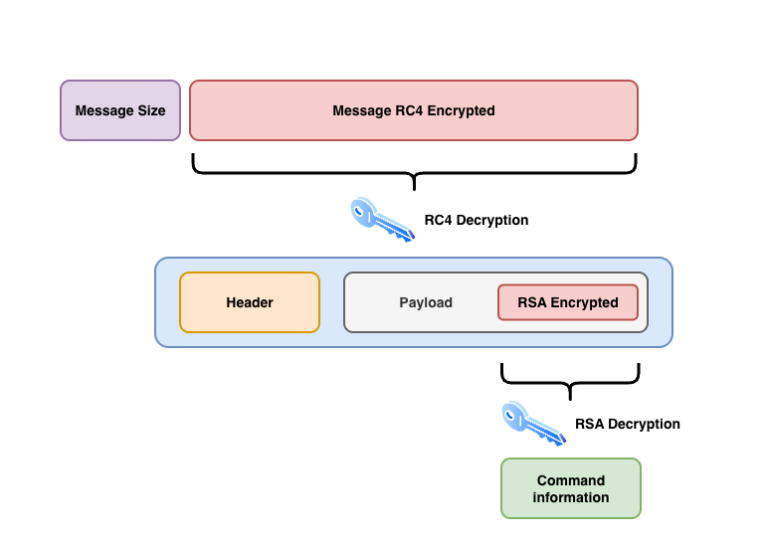
Bitsight unmasks the Phorpiex "Twizt" variant: a self-healing P2P botnet with RSA-encrypted payloads and LFI scanners. See how this 2011 threat stays relevant.
Elastic Security Labs unmasks REF1695, a threat actor using the CNB Bot and custom XMRig loaders for Monero mining and CPA fraud. Is your server a silent miner?

Critical React flaw CVE-2025-55182 (CVSS 10.0) under mass exploitation. Two IPs drive 56% of attacks deploying miners & shells. Upgrade to v19.0.1+ now.

Malicious PyPI package "sympy-dev" impersonates SymPy to install XMRig miners via fileless execution. Check your dependencies immediately.

ASEC exposed PrintMiner, a Monero cryptominer spreading via USB LNK files. It uses DLL Side-Loading (printui.exe) and "Smart Mining" to suspend activity when games or Task Manager are opened.

Oligo exposed ShadowRay 2.0, a massive, evolving campaign using AI-generated malware to turn 230K exposed Ray AI clusters into a self-propagating cryptomining and DDoS botnet.

Cybereason exposed Tangerine Turkey, a VBScript worm that spreads via USB drives. It uses LOLBins (printui.exe) and Windows Defender exclusions to deploy the XMRig cryptominer for profit.

A new Morte botnet campaign is exploiting command injection flaws to hijack SOHO routers and enterprise apps. The Loader-as-a-Service model saw a 230% spike this summer.

A new Linux botnet, Luno, combines cryptomining and modular DDoS attacks. It's a "self-healing" threat that targets gaming platforms and disguises itself as legitimate processes.

A new malware strain is targeting exposed Docker APIs, evolving from a cryptominer into a stealthy botnet that blocks ports to "own" a victim's system for exclusive use.

A new Mandiant report reveals a multi-stage USB malware campaign that uses DLL side-loading and stealthy loaders to deploy backdoors and coinminers.

A new report reveals a multi-stage cryptomining attack delivered via infected USB drives, a tactic that leverages DLL hijacking to bypass security.

Wiz Research Team uncovers rapid exploitation of exposed JDWP interfaces, deploying XMRig cryptominers in TeamCity and other Java environments within hours of exposure.

Trend Micro uncovers a new attack method using misconfigured Docker Remote APIs and the Tor network to stealthily deploy cryptominers and establish persistent access.

Sysdig uncovers a campaign exploiting misconfigured Open WebUI instances to deploy AI-assisted cryptominers and infostealers, showcasing new threat vectors.
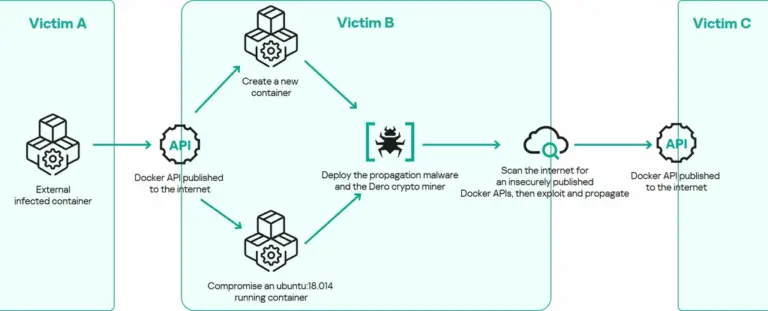
A new self-replicating Dero cryptominer is infecting exposed Docker containers, spreading as a worm without needing a C2 server.

Ten popular Visual Studio Code extensions were found secretly installing XMRig miners, exploiting users’ CPUs for unauthorized cryptomining.

Learn about the sophisticated LemonDuck malware that exploits the EternalBlue vulnerability to mine cryptocurrency undetected.