 Do Son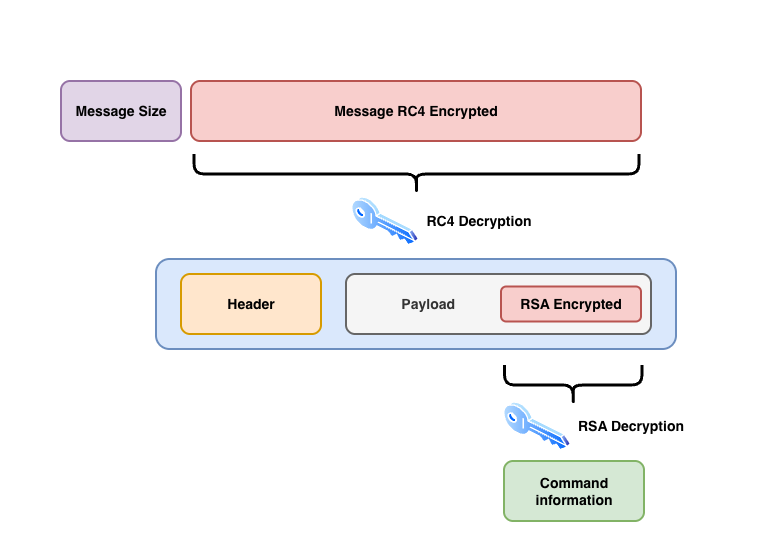
Message diagram for the P2P Protocol | Image: Bitsight
In the fast-moving world of cybercrime, few names carry as much historical weight as Phorpiex. Also known as Trik, this resilient botnet has been a fixture of the threat landscape since 2011. However, a new deep-dive analysis from the Bitsight Threat Research Team reveals that this botnet has learned some incredibly dangerous new tricks, evolving from a simple spam operation into a sophisticated, multi-purpose malware platform.
The most alarming discovery in the latest “Twizt” variant of Phorpiex is its hybrid communication model. Unlike most botnets that rely on a single central server, Phorpiex combines traditional HTTP polling with a robust peer-to-peer (P2P) protocol over both TCP and UDP.
This dual architecture makes the botnet nearly impossible to take down. As the researchers explain:
“This dual architecture ensures exceptional resilience against C2 server takedowns, as nodes can continuously share updated lists of active peers and new commands”.
To protect its malicious payloads from being hijacked by rival gangs or analyzed by security teams, Phorpiex now utilizes high-level encryption for its deliveries. New payloads are secured using a custom format that features a 256-byte RSA-encrypted header. This ensures that only “authorized” bots can execute the instructions sent by the operators.
Phorpiex is no longer just about sending millions of sextortion emails. The botnet is now being used to push a variety of high-impact payloads into the wild:
- Cryptomining: A generic loader, almost identical to the one used for the botnet itself, has been observed delivering XMRig miners to monetize infected CPU power.
- Vulnerability Scanning: The botnet has been caught deploying an LFI (Local File Inclusion) scanner. This tool generates random IP addresses and brute-forces common paths to find vulnerable web servers.
- Global Telemetry: The attackers have even deployed a specific payload to act as a “global telemetry counter,” allowing them to track the exact number of infected devices regardless of how they were compromised.
Despite its age, Phorpiex remains a subject of ongoing concern because it rarely stays still. While the core command infrastructure hasn’t changed much recently, the botnet’s ability to “shift from a pure spam operation to a sophisticated platform” proves its enduring threat.
The Bitsight team concludes:
“Phorpiex has consistently demonstrated its capability to evolve… its sustained presence and adaptability make it a subject of ongoing concern for the cybersecurity community”.
For organizations, defending against Phorpiex requires more than just blocking a list of IP addresses. Its P2P nature means that the swarm can heal itself, making behavior-based detection and robust network segmentation more critical than ever.
Support Our Threat Intelligence
Find our threat intelligence and malware analysis helpful? Support our work today and unlock a 100% ad-free reading experience!
 Buy Me a Coffee
