
 Do Son
Zscaler reveals Marco Stealer, a new malware harvesting crypto & cloud files. It uses AES-256 encryption & kills analysis tools. Learn how to detect it.
anti-analysis

Jamf reveals Predator spyware's advanced anti-analysis tactics. It now detects Corellium, hides recording icons, and tracks why infections fail.
FortiGuard exposed UDPGangster, a custom UDP backdoor deployed by MuddyWater APT. The malware evades network defenses and analysis by using UDP for C2 and checking for single-core CPUs/low RAM.

Socket exposed a new npm attack (dino_reborn) using Adspect cloaking to hide behind a fake crypto CAPTCHA for victims, while showing a polished decoy site (Offlido) to researchers.

Despite a recent doxxing attempt, Lumma Stealer has resurfaced, integrating browser fingerprinting into its C&C to collect WebGL/Canvas signatures for sandbox evasion and victim assessment.

ASEC exposed Cephalus, a Go-based RaaS group attacking RDP. The malware uses VirtualLock, XOR encryption, and a fake AES key pattern to severely complicate memory and forensic analysis.

BitSight uncovered a Lampion banking Trojan campaign using ClickFix lures and a 700MB bloatware DLL to evade AV. The VBScript loader establishes persistence via the Windows Startup folder.

Unit 42 exposed PhantomVAI Loader, a stealthy MaaS tool that uses steganography (hiding DLL in images) and VM detection to deploy Katz Stealer in MSBuild.exe and exfiltrate crypto credentials globally.

FortiGuard Labs identified a new Stealit malware variant abusing Node.js SEA for stealthy distribution. The campaign features a public C2 panel and uses Telegram for data exfiltration.

A new report reveals a ToneShell backdoor from Mustang Panda. The malware targets Myanmar and uses anti-analysis tricks to evade detection.

Unit 42 exposes SLOW#TEMPEST, a new malware variant using advanced CFG obfuscation and indirect function calls to evade static analysis, making it nearly impossible to detect.

APT36 is targeting Indian defense personnel with sophisticated phishing, using fake NIC documents and multi-layered malware to steal sensitive data and evade analysis.

CyberEye, a modular .NET RAT, offers widespread data theft and surveillance using a builder, Telegram C2, and anti-analysis features, making it a new threat.

A new ransomware strain, Lyrix, targets Windows systems with strong encryption, anti-analysis, and data destruction techniques. Learn how to protect your data.

Zscaler reveals TransferLoader: a stealthy malware using IPFS and obfuscation to drop ransomware and backdoors. A new threat in the wild since 2025.
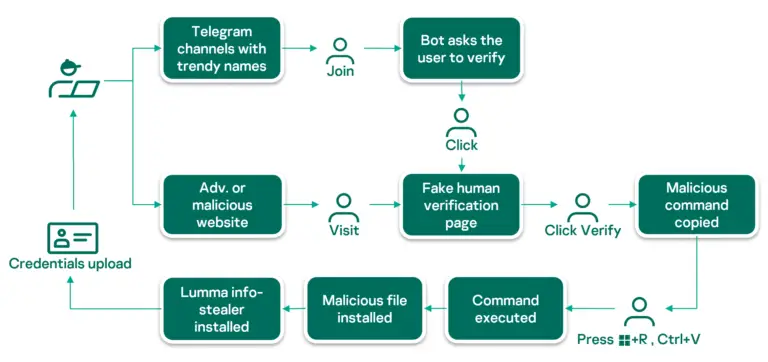
A deep dive into Lumma Stealer's sophisticated techniques: from fake CAPTCHAs to complex infection chains designed to evade detection and steal sensitive data.
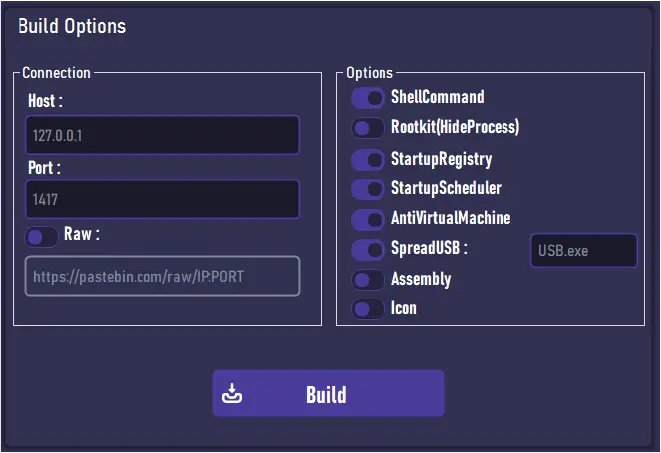
CYFIRMA researchers discovered Neptune RAT, an advanced Remote Access Trojan targeting Windows. Learn about its destructive features, evasion techniques, and distribution methods.