 Do Son
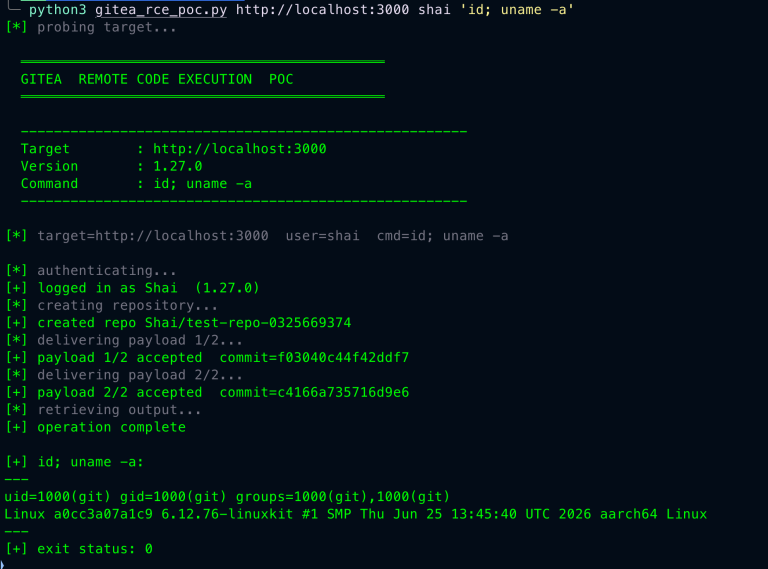
CVE-2026-60004 is a critical Gitea RCE via a diffpatch Git hook, rated CVSS 9.8. Full details and a public PoC are out. Update to Gitea 1.27.1 now.
go
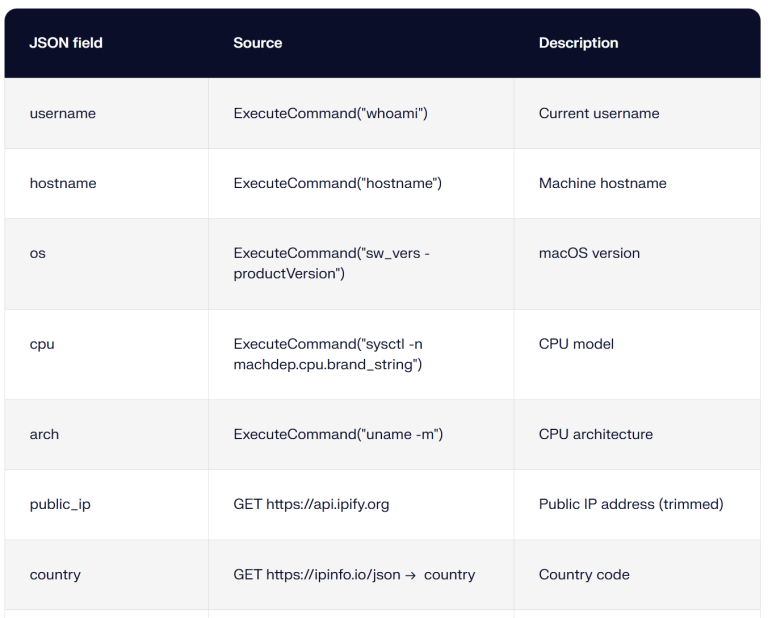
Minirat, a Go-based macOS RAT, exploits npm supply chains to bypass security. It features VM detection, AES encryption, and persistence. Secure your dev tools.

Apache Thrift fixes critical cross-language vulnerabilities (MitM, memory corruption, DoS). Secure your Java, Go, and C++ stacks by upgrading to version 0.23.0.
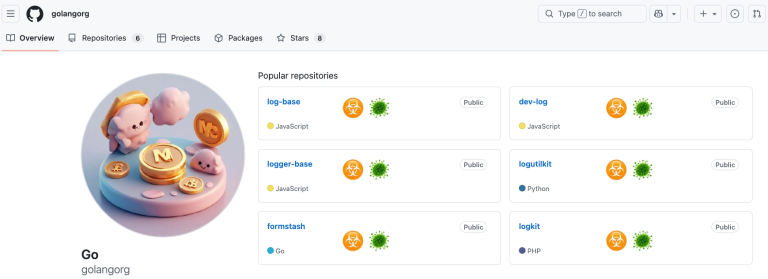
North Korea’s "Contagious Interview" campaign expands to 1,700+ malicious packages across npm, PyPI, and more. Learn how to protect your dev environment.

Public PoC code and full details are out for a 9.8 CVSS flaw in Nginx UI (CVE-2026-33032). With no official patch, servers are at risk. Secure yours now!
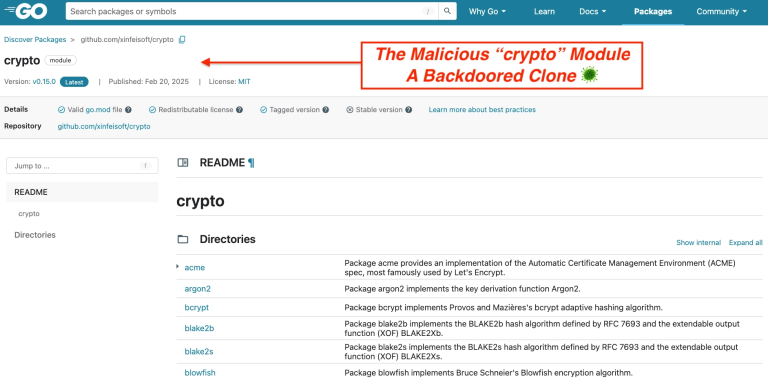
Socket uncovers a malicious Go module mimicking golang.org/x/crypto. It steals passwords via ReadPassword and deploys the Rekoobe backdoor on Linux systems.

Critical Fiber framework vulnerability CVE-2025-66630 (CVSS 9.2) causes silent UUID failures, leading to session hijacking. Update to v2.52.11 now.

AhnLab has uncovered Kawa4096, a Go-based ransomware targeting Windows, Linux, and VMware ESXi. The malware uses advanced crypto and covert backup deletion.

AhnLab has uncovered BlackLock, a Go-based ransomware targeting Windows, Linux, and VMware ESXi. The malware uses advanced crypto and covert backup deletion.

A new ransomware group, Yurei, is using open-source malware to attack businesses in Asia and Africa. The group is using a double-extortion model to pressure victims.

A new Go-based remote access trojan, ZynorRAT, is targeting Linux and Windows. Its unique command and control is managed entirely through a Telegram bot.

Salat Stealer, a new Go-based MaaS, is hijacking browsers and crypto wallets. The malware is sold by Russian-speaking operators on the dark web.

A new Go-based ransomware, Obscura, is abusing domain controllers by placing its executable in the NETLOGON folder, ensuring it gets replicated across the network.

Socket uncovers 11 malicious Go packages, including 8 typosquats, on GitHub. The packages deliver stealthy, in-memory payloads that compromise developer machines and CI pipelines.
CISA, FBI, and NSA call for adopting memory-safe languages (Rust, Go, Java, Swift) to slash software vulnerabilities. Android saw a 52% drop in memory bugs after embracing MSLs.

Go 1.24.4 and 1.23.10 fix flaws in net/http, os, and crypto/x509, addressing data leaks, file inconsistencies, and certificate validation bypasses. Update now!
Learn about the TRACTOR program, a DARPA initiative to transition to memory-safe programming languages and automate the conversion of C code to Rust

Google’s Go language is one of the fastest growing programming languages today and currently has around 1...