 Do Son
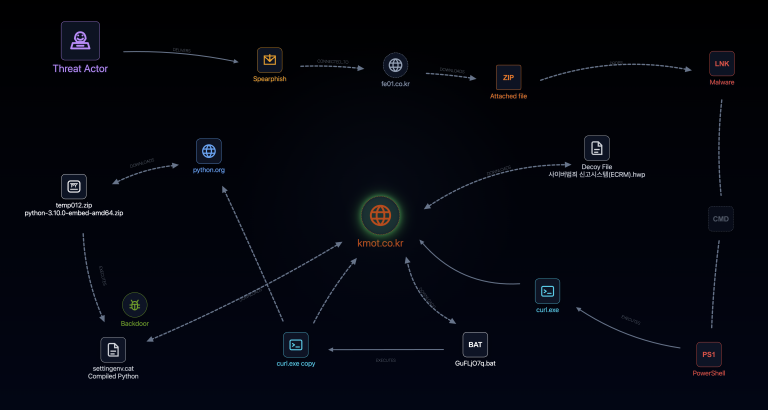
Genians unmasks an APT37 campaign using environment variable tricks and compiled Python malware to bypass EDR. Protect your network from these stealthy lures.
LNK File
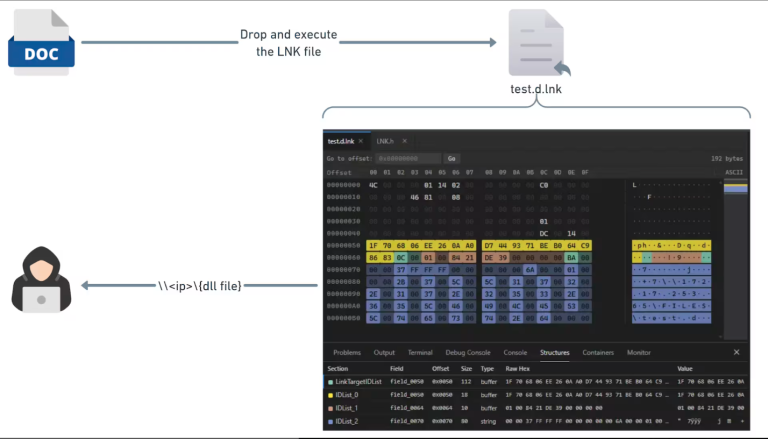
Akamai uncovers CVE-2026-32202: A zero-click LNK flaw used by APT28 to steal Windows NTLM hashes silently. No user interaction required. Patch alert!
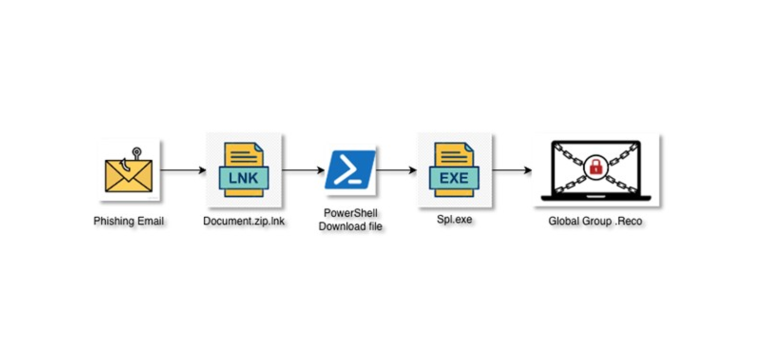
Phorpiex botnet returns in "Your Document" phishing campaign. Attackers use malicious .LNK files and hidden extensions to trick users.

Operation FrostBeacon targets Russian B2B with Cobalt Strike. The dual attack uses LNK files and chained legacy exploits (CVE-2017-0199/11882) to gain persistent, financially motivated access.

Patchwork APT deployed StreamSpy, a new trojan that uses WebSocket for covert C2 and HTTP for file transfer, blending malicious activity with web traffic to evade detection during espionage operations.

SEQRITE exposed CAPI, a .NET trojan targeting Russian FinTech with malicious LNK resumes. It uses rundll32 for execution and a hidden "Security" scheduled task for persistence.

Seqrite exposed Operation Silk Lure, a campaign using a malicious Chinese resume (.LNK) to implant ValleyRAT on FinTech systems. It achieves persistence via a “Security” scheduled task and uninstalls AV.

A new Zero-Click NTLM leak bypasses Microsoft's LNK patch, allowing unauthenticated NTLM hash theft on patched systems. The PoC works by exploiting UNC paths and the default shell32.dll icon reference.

A new report reveals a sophisticated XWorm backdoor campaign that uses .lnk files and a multi-stage infection chain to gain stealthy and persistent control of Windows systems.

A new report from Huntress reveals a hybrid ClickFix attack that abuses the Windows search protocol and malicious LNK files to deliver MetaStealer malware.

Sophos uncovers a new infection chain for GOLD BLADE's RedLoader malware, combining LNK files, WebDAV, and DLL sideloading to bypass defenses and deploy payloads stealthily.

A new stealthy campaign uses Windows LNK files to deploy the REMCOS backdoor via multi-stage PowerShell commands, bypassing antivirus and gaining full system control.

The SERPENTINE#CLOUD campaign exploits Cloudflare Tunnel subdomains and LNK files to deliver in-memory RATs like AsyncRAT and Remcos, evading detection.