 Do Son
eSentire tracks four clusters behind CVE-2026-88771 exploitation, planting NetScaler web shells and backdoor accounts. Learn how to detect them.
Web Shell

Attackers exploit Citrix NetScaler zero-day CVE-2026-88772 for root access, then hide WHIPSHOT web shells and a SLAPSHOT tunneler. Patch now.

Attackers used a PaperCut zero-day to plant a web shell and an AdaptixC2 implant hidden in fake Microsoft Copilot, then took over Active Directory.
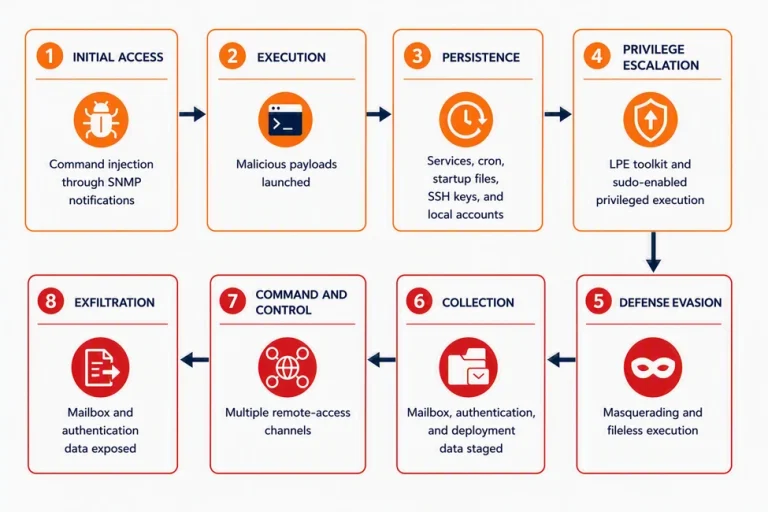
Zimbra CVE-2026-73570 lets one crafted email run code. Microsoft details the Zimbra command injection attacks: web shells, root access, and key theft.

ShinyHunters PeopleSoft attacks are back. A one-letter WAF bypass lets the group exploit CVE-2026-35273 and plant web shells on unpatched servers.
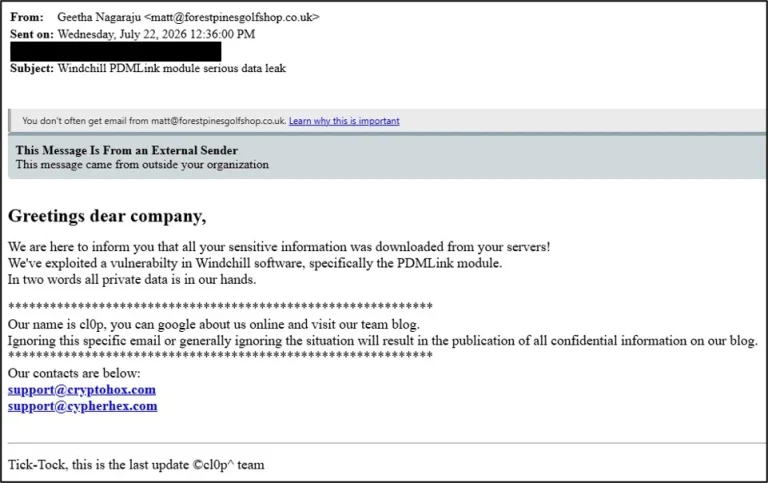
The Clop web shell targets PTC Windchill via CVE-2026-12569, stealing credentials and engineering data in a mass-extortion campaign.

A Head Mare TrueConf attack chains two zero-days to install the PhantomCore backdoor via a trojanized client.

ReliaQuest uncovers OP-512, a China-linked cluster using a unique IIS web shell framework with RSA/RC4 encryption and timestomping.
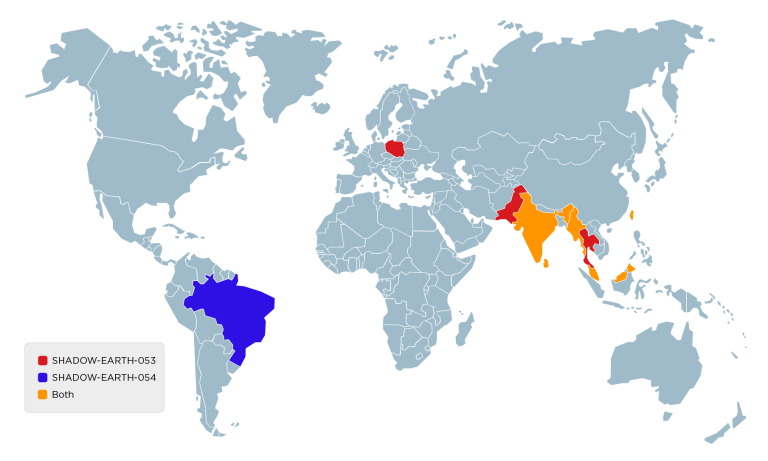
SHADOW-EARTH-053 is breaching governments and NATO using old ProxyLogon flaws and ShadowPad. Learn how this China-aligned group stays hidden via registry loading.
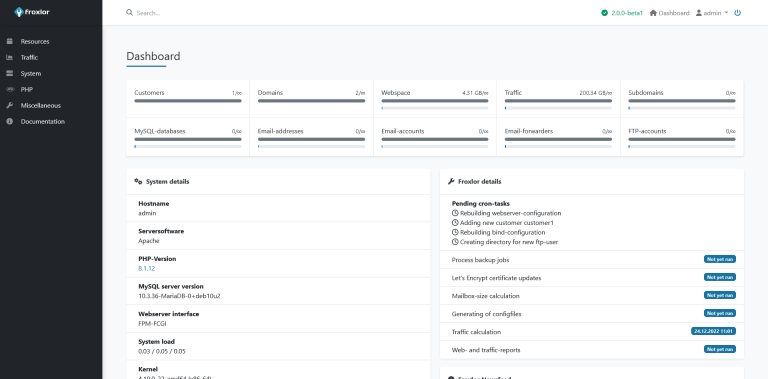
Froxlor faces two critical flaws, including a CVSS 10. Learn how path traversal and config injection allow persistent RCE. Patch your server management today!
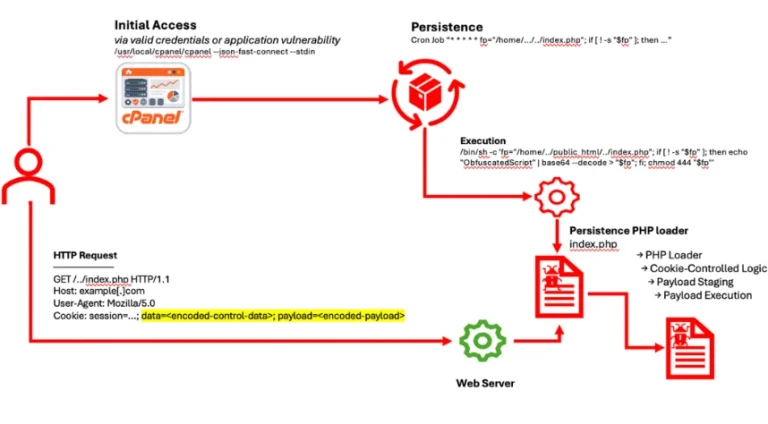
Microsoft Defender unmasks a stealthy PHP web shell hiding C2 logic in HTTP cookies. Learn how "cookie-gating" bypasses logs to maintain persistent RCE.

CVE-2026-34838: A critical 10.0 flaw in GroupOffice allows authenticated users to trigger RCE via insecure deserialization. Update to v26.0.12 immediately!

INJ3CTOR3 hackers target FreePBX with EncystPHP web shell via CVE-2025-64328. Malware uses cron jobs for persistence. Patch immediately.

Adobe patches a critical ColdFusion flaw (CVE-2025-61808) that uses remote SMB shares and CAR files to bypass security and achieve total server takeover.

Elastic exposed Chinese threat actors exploiting public ASP.NET machine keys to deploy TOLLBOOTH IIS backdoor and HIDDENDRIVER kernel rootkit. The malware performs stealthy SEO cloaking.

ReliaQuest exposed Flax Typhoon for a year-long breach, where the China-backed APT turned a legitimate ArcGIS Java SOE into a web shell and embedded it in backups to ensure persistence.

Huntress exposed a covert campaign using log poisoning on exposed phpMyAdmin to deploy a web shell and the Nezha monitoring tool, ultimately delivering the Ghost RAT backdoor to 100+ victims in Asia.

Sucuri uncovers a complex multi-stage malware campaign infecting WordPress sites via header.php to deliver a hidden RAT (client32.exe) and evade detection.

A nearly three-year intrusion at SK Telecom compromised 27 million users, stealing IMSI, USIM keys, and texts, prompting SIM card replacements.

CVE-2025-31324 in SAP NetWeaver lets attackers upload web shells, enabling full remote code execution and system compromise—no login required.

A sophisticated campaign deployed malicious IIS modules on South Korean web servers, enabling traffic control and backdoor access. Suspected Chinese actor.

DslogdRAT malware exploited Ivanti Connect Secure via CVE-2025-0282, using web shells and C2 channels to evade detection and persist in networks.