The Multi-Billion Dollar Suit: Solos Technology Aims to Halt Ray-Ban Meta Sales
 Do Son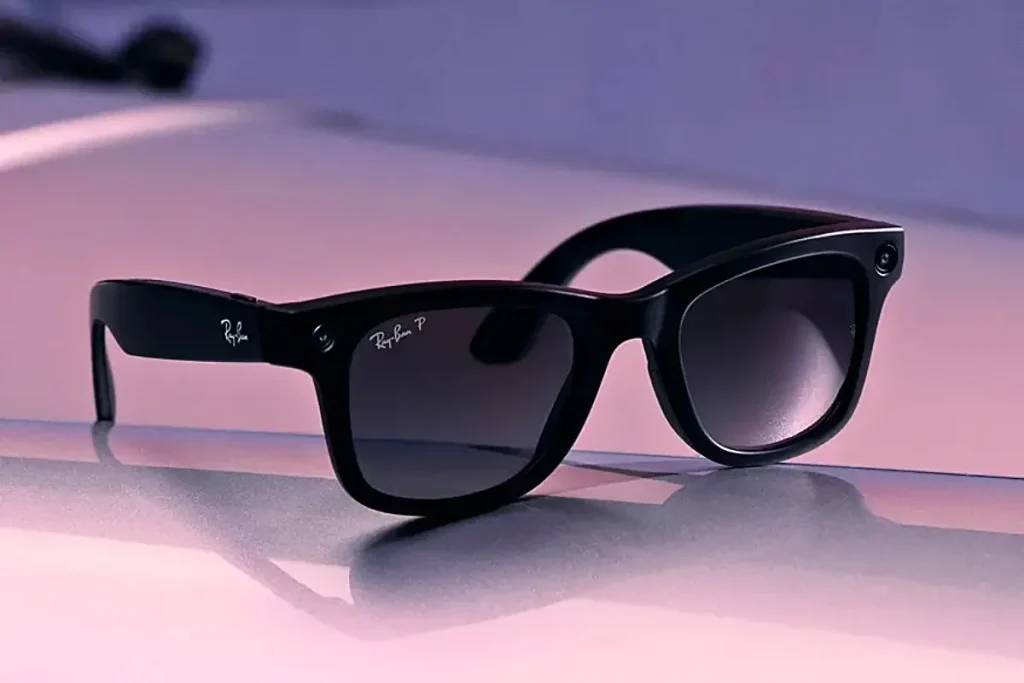
Just as Meta appeared to reignite its aspirations for metaverse hardware through its celebrated collaboration with Ray-Ban, the corporation has encountered a formidable legal obstruction. Solos Technology, a Hong Kong-based manufacturer of smart eyewear, has initiated a patent infringement lawsuit against Meta and its partner, EssilorLuxottica (the parent entity of Ray-Ban), within the U.S. District Court for the District of Massachusetts.
Solos Technology alleges that Meta’s Ray-Ban smart glasses plagiarize several of its pivotal patented technologies. The plaintiff is seeking billions of dollars in restitution and has petitioned the court to issue a permanent injunction prohibiting Meta from further distributing the allegedly infringing products. The complaint meticulously chronicles a multi-year “history of interaction,” contending that Meta and EssilorLuxottica acted with “willful blindness” in misappropriating their intellectual property.
According to judicial filings, Solos Technology claims that as early as 2015, personnel from Oakley—an EssilorLuxottica subsidiary—engaged with their proprietary smart eyewear technology. Subsequently, between 2017 and 2019, senior executives from EssilorLuxottica allegedly convened with Solos Technology for multiple briefings and secured a prototype for comprehensive testing.
Perhaps more controversially, Solos Technology highlights the trajectory of Priyanka Shekar, a scholar who authored research at MIT concerning the firm’s product strategies before joining Meta as a product manager. Solos Technology posits that Shekar funneled patented technical secrets and commercial intelligence into Meta’s ecosystem, directly catalyzing the evolution of the Ray-Ban Meta glasses. The asserted infringements encompass the core architectural domains of smart eyewear, including:
- Multimodal Sensing
- Beamforming Audio Processing
- Sensor Fusion
- Contextual Awareness and Proactive Assistants
While Solos Technology lacks the global brand resonance of Ray-Ban, its AirGo series features functional overlaps with Meta’s offerings, having integrated generative AI capabilities like ChatGPT for real-time translation and vocal queries even earlier. Solos Technology maintains that Meta exploited these pilfered innovations to engineer its market-leading eyewear, causing profound detriment to the original creator.
For Meta, this litigation is exceedingly ill-timed. Following the underwhelming reception of the Quest Pro and substantial deficits within its metaverse division, the Ray-Ban Meta glasses represented a rare commercial and critical triumph for Reality Labs. This success even prompted a corporate restructuring to prioritize lightweight AI eyewear over traditional VR headsets. A court-mandated injunction during this period of robust sales would deliver a staggering blow to Meta’s hardware roadmap.
The evidence presented by Solos Technology—particularly the specific migration of personnel and the records of early executive liaisons—suggests a substantive case. Tech conglomerates typically navigate such quagmires via two avenues: leveraging vast legal resources to exhaust the plaintiff in a war of attrition, or securing an out-of-court settlement and licensing agreement. Given Solos Technology’s lineage with Kopin Corporation—a firm specializing in military and enterprise wearable displays—the intrinsic value of their patent portfolio may be exceptionally high. This legal battle may ultimately compel Meta to remit a substantial “toll” to retain its presence in the smart eyewear market.
Related Posts:
- CVE-2025-5095 (CVSS 9.8): Critical Flaw in ARC Solo Broadcasting Devices Allows Unauthenticated Takeover
- Google Assembles Foxconn/Samsung Supply Chain for Q4 2026 AI Glasses Launch
- Meta Unveils Ray-Ban Display: Smart Glasses with a Built-In Screen
- Meta Unveils ‘Meta Lab’ Pop-Up Stores for New Ray-Ban Smart Glasses
Support Our Threat Intelligence
Find our tech and OS security coverage helpful? Support our work today and unlock a 100% ad-free reading experience!
 Buy Me a Coffee
