The “Unbreakable” OS: Android 17 Unveils AI-Powered Fraud Defense and Thief-Proof Biometrics
 Do Son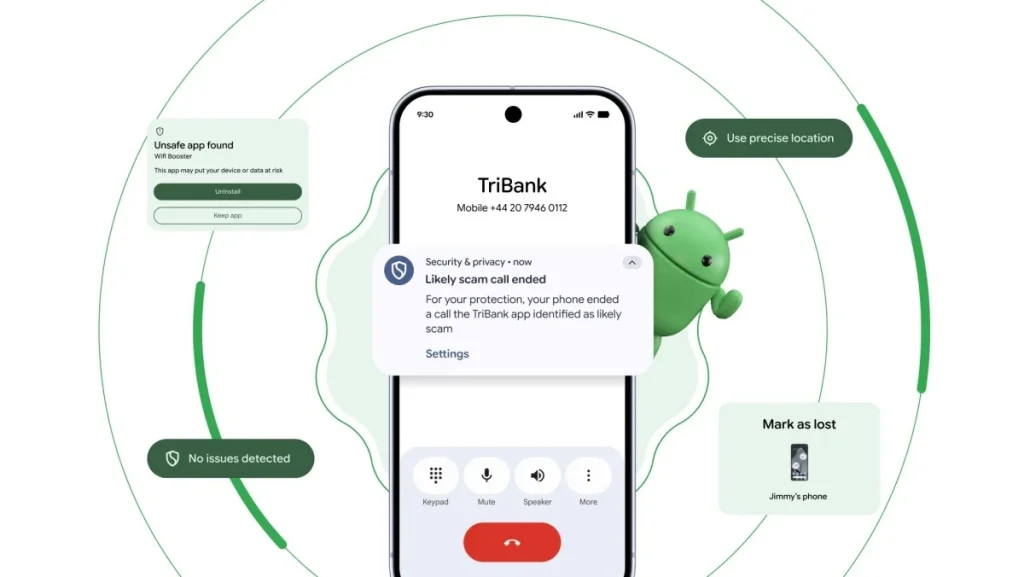
In the face of increasingly rampant transnational financial fraud, sophisticated social engineering, and the rising tide of physical device theft, Google has resolved to implement a more formidable and uncompromising defensive posture at the very foundation of its operating system. The Android Security and Privacy team has officially unveiled its 2026 cybersecurity roadmap, a blueprint that transforms on-device AI into a proactive “Live Threat Detection” sentinel. Future iterations of the Android ecosystem will possess the autonomy to intercept fraudulent banking calls, shield sensitive verification codes from prying eyes, and, with the advent of Android 17, impose a draconian tightening of permission protocols that effectively renders stolen devices impenetrable “bricks.”
Financial malfeasance remains a paramount global challenge, as criminal syndicates frequently utilize VoIP to spoof caller IDs, masquerading as legitimate financial institutions to deceive victims. To combat this, Google has inaugurated a system-level collaboration with a select cohort of global banks, including Revolut, Itaú, and Nubank. When an Android device (running version 11 or later) receives an incoming call purportedly from these institutions, the system initiates a background verification request to the bank’s official application. Should the bank report no such outgoing call, Android will summarily terminate the fraudulent connection.
Furthermore, to address the clandestine interception of Short Message Service (SMS) verification codes by malicious background processes, Android is instituting a novel defensive strategy. The system will automatically sequester sensitive messages containing One-Time Passwords (OTPs), rendering them invisible to most applications for a duration of three hours. This ensures that these critical credentials remain inaccessible to unauthorized entities during their window of validity.
The “Live Threat Detection” mechanism has also undergone a significant evolution, utilizing on-device AI to discern malicious programs that cloak their true intent. Some malware, for instance, coerces users into granting Accessibility permissions only to overlay invisible interface layers that trick users into authorizing illicit transfers. Android 17 will introduce “Dynamic Signal Monitoring” to scrutinize such anomalous behaviors in real-time. In its most stringent protection mode, the system will unilaterally revoke access for non-official accessibility tools.
Recognizing that the theft of a device often precipitates catastrophic data and financial loss, Google has fortified its anti-theft measures within Android 17:
- Mandatory Biometric Authentication: Once a device is “Marked as Lost” via the Find Hub, the system will mandate biometric verification (fingerprint or facial recognition) for unlocking or disabling tracking. A standard passcode or PIN will no longer suffice, effectively thwarting thieves who have surreptitiously observed a user’s credentials.
- Default Fortification: Features such as Remote Lock and Theft Detection Lock will be enabled by default on all Android 17 hardware.
- Brute-Force Mitigation: The system will significantly restrict the number of permissible PIN attempts and implement extended cooldown periods, while simultaneously permitting the IMEI to be displayed on the lock screen to assist law enforcement in identifying stolen property.
Privacy permissions in Android 17 will become notably more discerning and parsimonious:
- Ephemeral Location Access: A new “One-Time Location” toggle allows users to grant precise coordinates exclusively while the application is active; the permission is revoked immediately upon closure. Furthermore, the status bar will feature a dedicated Location Access Indicator, analogous to the existing microphone and camera warnings.
- Granular Contact Selection: In a departure from the traditional “all-or-nothing” contact access, the new Contact Picker allows users to authorize access to specific individuals and even specific fields—such as sharing an email address while withholding a telephone number—thereby eliminating the risk of total contact exfiltration.
Historically, Android took great pride in its “openness” and “unfettered liberty,” yet this very freedom became a fertile breeding ground for adversaries. Today, Google is systematically retracting overly permissive API access, signaling Android’s transition toward a more “disciplined” and fortified security architecture. The true value of on-device AI has been revealed: it functions as the operating system’s “real-time immune system.” By perpetually monitoring for aberrant behaviors and fraudulent communications, the Android of the future will serve as the most resilient bulwark against digital criminality.
Support Our Threat Intelligence
Find our tech and OS security coverage helpful? Support our work today and unlock a 100% ad-free reading experience!
 Buy Me a Coffee
