Android Studio Narwhal Arrives: AI Agent Mode, XR Tools, and K2 Kotlin Now in Stable Release
 Do Son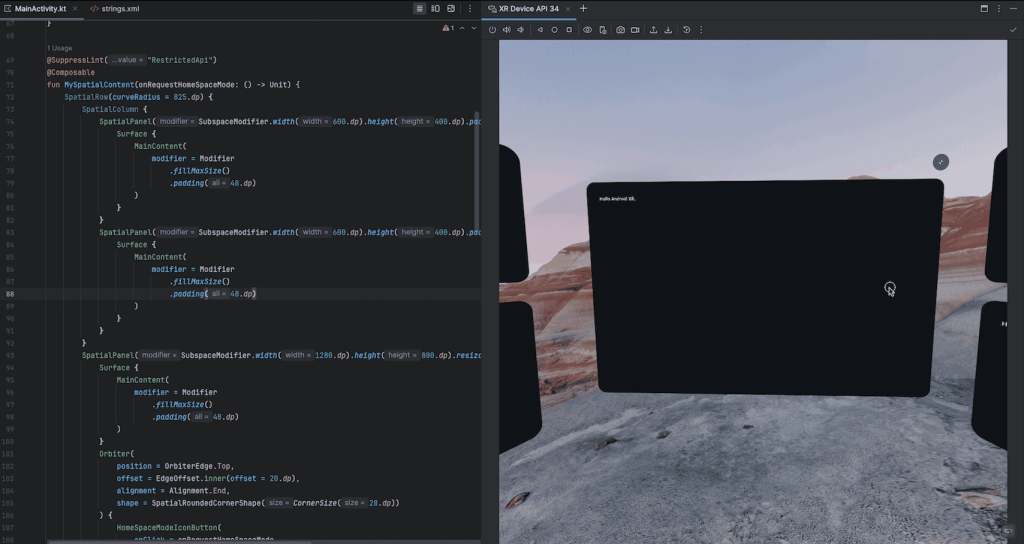
Google has officially released the stable version of Android Studio Narwhal Feature Drop, a development platform whose core updates center on AI collaboration and extended/virtual reality (XR) development. The release also brings optimizations to Kotlin language compilation, UI preview, and device compatibility checks—enhancements aimed at improving the efficiency and flexibility of cross-device application development, while laying the groundwork for upcoming Android XR device applications and services.
This update fully integrates the Gemini agent mode, enabling developers to tackle multi-stage, complex tasks such as adding new features, generating unit tests, and fixing code errors. Once activated, developers can simply describe their goals in the sidebar, after which the AI will automatically break down the task, outline the steps, and use built-in IDE tools to perform file and Gradle operations. Throughout the process, developers retain full decision-making authority and can instruct the AI to iterate repeatedly, ensuring a controlled and collaborative workflow.
The free Gemini model has a shorter context window and is limited in supporting large-scale projects. For more complex workloads, developers can configure their own API key to switch to Gemini 2.5 Pro, which extends the context length to one million characters—ideal for team-based and enterprise-level applications. The new version also introduces Prompt Library Rules, allowing teams to predefine project language, architecture, coding style, and output format, then synchronize these settings to the project directory to maintain consistency.
For XR development, Narwhal now includes a built-in XR Android Emulator, which can be launched directly from the IDE. Developers can inspect UI structures and performance in real time using the Embedded Layout Inspector. Combined with Jetpack XR templates, this enables rapid creation of immersive projects tailored for the Android XR platform.
The stable release of Android Studio Narwhal Feature Drop also enables the K2 Kotlin compiler by default, significantly improving build speed and stability while offering flexibility for language upgrades. Additionally, with Android devices gradually adopting 16KB memory pages, this update adds compatibility checks and Lint warnings to help identify and resolve potential native library issues early, reducing the risks associated with app store submissions and hardware transitions.
Finally, Google has introduced a service compatibility policy for cloud features, ensuring that version updates do not disrupt project operations. Each version will receive approximately one year of support, with upgrade reminders sent 30 days in advance to minimize the impact of cloud service changes on development workflows.
With these enhancements, Android Studio not only strengthens its AI collaboration and cross-device development capabilities, but also delivers a smoother, more powerful experience for XR and Kotlin developers—further cementing its role as a cornerstone of the Android ecosystem.
Related Posts:
- Android malware developed with Kotlin was found on Google Play
- Moonshot AI Unleashes Kimi K2: Trillion-Parameter Open-Source Model Outperforms Grok, Powers Perplexity
- Cisco Issues High-Severity Security Alert for IOS XR Software (CVE-2025-20138)
- Cisco Alerts on Public Disclosure of CVE-2025-20115 – BGP Flaw Puts Networks at Risk
Support Our Threat Intelligence
Find our tech and OS security coverage helpful? Support our work today and unlock a 100% ad-free reading experience!
 Buy Me a Coffee
