 Do Son
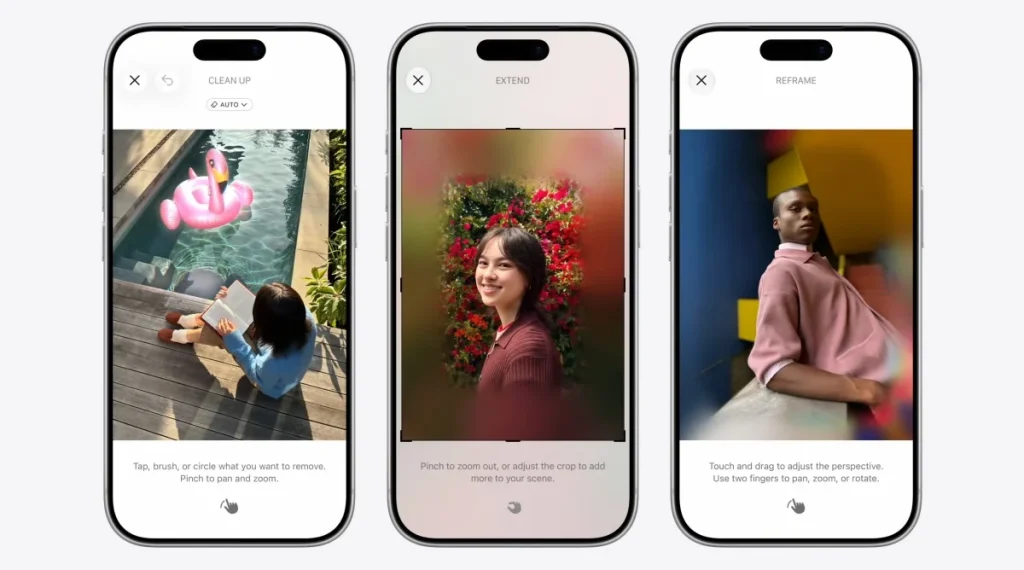
Apple introduced a novel facial assessment framework in its latest software update. Specifically, the Apple selfie age verification feature enables individuals to confirm adult status seamlessly. When an application demands proof of adulthood, users may capture facial angles for automated evaluation. Furthermore, machine learning models execute evaluations across the local device and Private Cloud Compute. Consequently, the operating system unifies these calculated insights locally while safeguarding personal privacy.
Regional Deployment and Enforcement Triggers
According to official regional documentation, the facial evaluation tool launched across Australia, Brazil, Singapore, and the United Kingdom. Although South Korea and Texas enforce strict age verification laws, neither region supports selfie assessments currently. Therefore, consumers in those jurisdictions must rely on traditional document validation mechanisms.
Furthermore, regulatory mandates dictate when prompts appear during daily device usage. Users might encounter verification prompts while establishing an Apple Account or upgrading software. Similarly, downloading age-restricted applications rated 18+ triggers immediate verification checks. Consequently, consumers must complete the evaluation before proceeding with protected actions. Fortunately, iOS records verified credentials locally, eliminating repetitive confirmation requests.
Multi-Angle Capture and Cryptographic Cloud Processing
The biometric verification procedure requires active user cooperation. During the process, the user positions their face within the camera viewfinder. Next, the user tilts their head left, right, upward, and downward upon command. This structured movement provides the neural network with four distinct angles for analysis.
Subsequently, the neural model analyzes facial features through hybrid computation. As highlighted in the Apple support documentation on age verification, evaluations span local processors and dedicated servers. Moreover, Apple emphasizes that neither company technicians nor third parties can inspect raw imagery. Once the evaluation concludes, the operating system purges the facial files permanently from system memory.
Alternative Verification Options and Scanning Guidance
Users who encounter scanning issues can easily utilize conventional validation alternatives. For example, individuals may verify credentials through government passports, driver licenses, or registered credit cards. However, financial regulations explicitly prohibit debit cards and gift vouchers for age authentication.
Additionally, technicians advise consumers to perform facial scans under balanced ambient lighting. Individuals should remove hats, eyewear, and facial coverings before initiating the camera. After completing the scan, users can monitor their validation status inside account settings. Ultimately, this multi-tiered design balances regulatory compliance with robust consumer data protection.
Support Our Threat Intelligence
Find our tech and OS security coverage helpful? Support our work today and unlock a 100% ad-free reading experience!
 Buy Me a Coffee
