
 Do Son
A recently security flaw tracked as CVE-2023-32188, has sent ripples across the cybersecurity community due to its critical severity
Do Son
Do Son is the Founder and Editor of Daily CyberSecurity. Working in cybersecurity since 2013, he reports on vulnerabilities, malware, and emerging threats, providing timely analysis to help organizations and individuals stay ahead of evolving risks.

This campaign displays significant overlaps with tactics, techniques, and procedures (TTPs) previously linked to cyber espionage initiatives

Sony confirmed this year that it suffered two significant data breaches, potentially leading to a vast expanse of personal data exposure.

CISA has added three new security vulnerabilities to its Known Exploited Vulnerabilities (KEV) catalog due to active exploitation

We often face unexpected urgent expenses, or an opportunity arises, such as buying something, studying, or traveling...

CVE-2023-38545 is a severity-high vulnerability that affects both libcurl and the curl tool. This is a serious problem
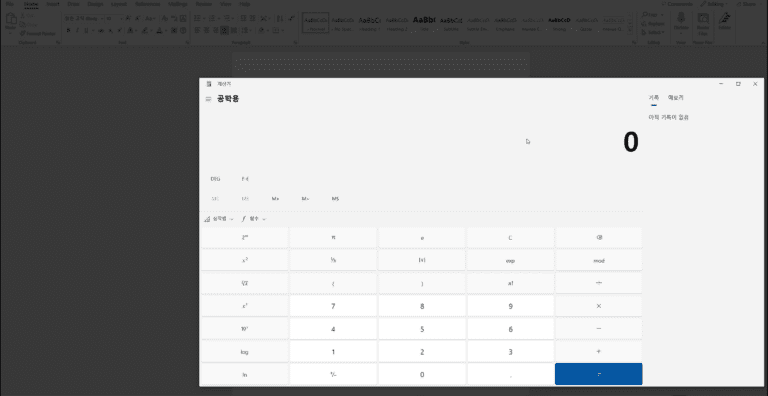
A new and dangerous XSS vulnerability has been discovered in Microsoft Office, affecting hundreds of millions of users worldwide
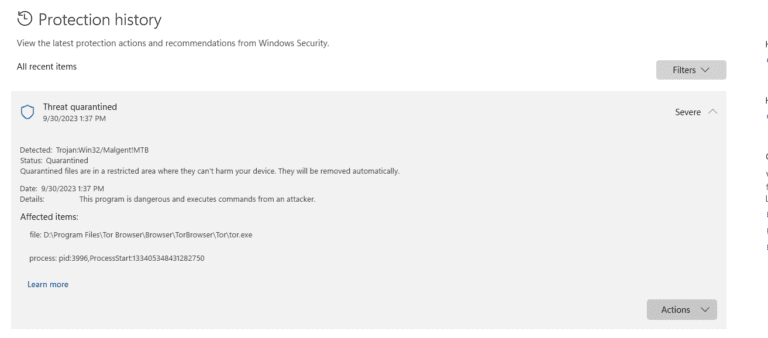
Microsoft Defender showcased its susceptibility to false positives by recognizing the Tor browser as a virus and halting its operations

From March 1, 2024, an order will come into force to block VPN services providing access to sites banned in Russia
CVE-2023-39191 is a critical security vulnerability that could allow attackers to gain root access to affected systems.
CVE-2023-28229 is an elevation of privilege vulnerability that allows a local authenticated attacker to gain elevated privileges on the system

CVE-2023-20101, a critical security vulnerability could allow an unauthenticated, remote attacker to gain root access to an affected device

Besides the PoC exploit code for the CVE-2023-4911 bug, researchers have also unveiled a video demonstration.

The first zero-day (CVE-2023-42824) is a kernel vulnerability that allows local attackers to escalate privileges on unpatched devices.

Additionally, the CVE-2023-22515 vulnerability can be exploited to create unauthorized Confluence administrator accounts.

Tech has become an essential component of modern digital life, creating an accessible online experience for people...

While the concept of lateral movement isn’t new, its application in cloud environments like SQL Server instances is

CVE-2023-4911 allows local attackers to gain root privileges by exploiting a buffer overflow weakness in the GNU C Library's ld.so

CVE-2023-33106, CVE-2023-33107, CVE-2022-22071, and CVE-2023-33063 may be under limited, targeted exploitation

CVE-2023-43261 could allow attackers to expose sensitive information and gain unauthorized access to devices

Google and Microsoft confirmed that two zero-day vulnerabilities, CVE-2023-4863 and CVE-2023-5217 have been maliciously exploited in the wild

The vulnerability, tracked as CVE-2023-5288 (CVSS score of 9.8), could allow remote attackers to reconfigure or disrupt the devices.