Beyond the Chatbot: Google I/O 2026 to Unveil the “Agentic” Future of Android 17
 Do Son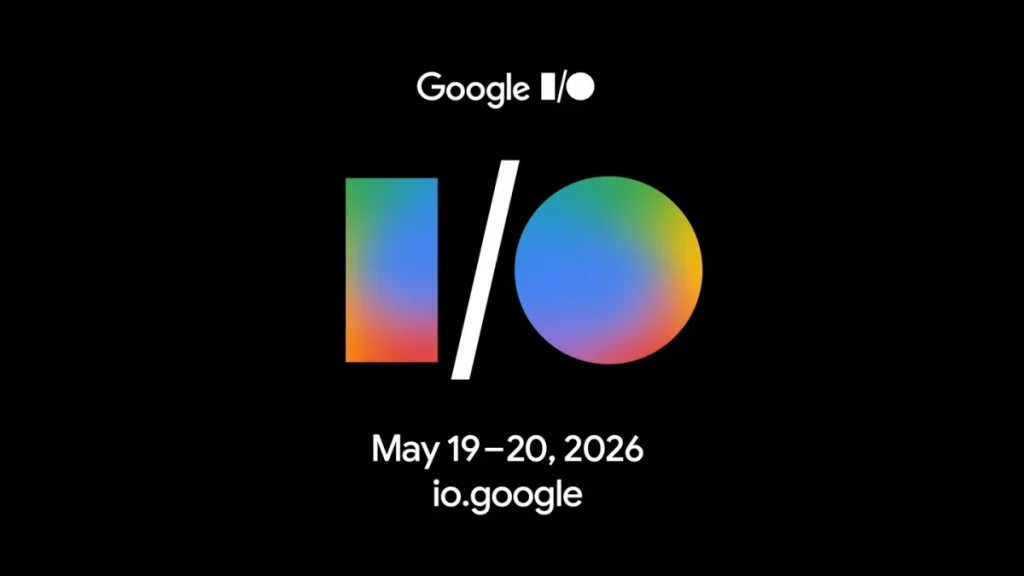
Google has officially confirmed that its premier annual developer symposium, Google I/O 2026, is slated to transpire from May 19 to 20. Adhering to established tradition, the event is expected to grace the Shoreline Amphitheatre in Mountain View, California, while offering a complimentary global broadcast for developers and enthusiasts alike.
In keeping with its whimsical heritage, Google eschewed a formal announcement, opting instead for an intricate, interactive web-based puzzle for the community to solve. However, this year’s iteration marks a departure from static logic; it serves as a profound demonstration of the generative and interactive prowess of the Gemini 3 model. The puzzle site manifests as a curated anthology of “Powered by Gemini” mini-games, explicitly showcasing the versatility of the Gemini 3 architecture:
- Miniature Golf: Features a virtual caddy driven by Gemini, offering droll yet subtly guiding counsel.
- Nonogram: Leverages Gemini to synthesize an inexhaustible array of game boards, ensuring a bespoke experience for every participant.
- Word Wheel: Utilizes Gemini 3 to orchestrate automated level design, challenging the player’s linguistic agility.
- Super Sonicbot: An auditory-interactive experience where the user’s voice modulates the flight path of an Android mascot, illustrating AI’s multi-modal input processing.
- Stretchy Cat: Employs Gemini 3 as an autonomous level designer to balance mechanics and difficulty, creating a loop of infinite playability.
While ostensibly a developer-centric gathering, Google I/O functions as the corporation’s primary stage for first-half product unveils. Android 17 is anticipated to be the software vanguard, purportedly featuring a deeper integration of AI Agentic functionalities—transforming the smartphone from a mere vessel for applications into a proactive, task-oriented concierge. Given the prominence of Gemini 3 in the preliminary puzzles, Google is poised to reveal granular technical breakthroughs, including augmented logical reasoning, diminished latency, and its synergy with emerging platforms like Android XR.
Google’s practice of transmuting a date announcement into a technical exhibition is a storied tradition. The clear objective this year is to broadcast a definitive message: “AI transcends the chatbot; it is the new engine of creation.” By utilizing Gemini 3 to synthesize content and calibrate difficulty, Google is signaling the untapped potential of generative AI in development—evolving from a coding assistant to a primary content architect.
The overarching theme for Google I/O 2026 is unmistakably the AI Agentic Workflow. If the preceding year focused on “embedding AI within products,” the current focus is “empowering AI to build the products.” For the developer community, the crux of the event will be mastering the Gemini API to craft “highly personalized” applications similar to these interactive puzzles. Concurrently, there remains a keen expectation that Android 17 will offer substantive refinements in interface fluidity and privacy protocols, extending beyond the mere ubiquity of AI.
Related Posts:
Support Our Threat Intelligence
Find our tech and OS security coverage helpful? Support our work today and unlock a 100% ad-free reading experience!
 Buy Me a Coffee
