Catching Apple: Google Overhauls Health Connect to Track Alcohol & Medical Symptoms
 Do Son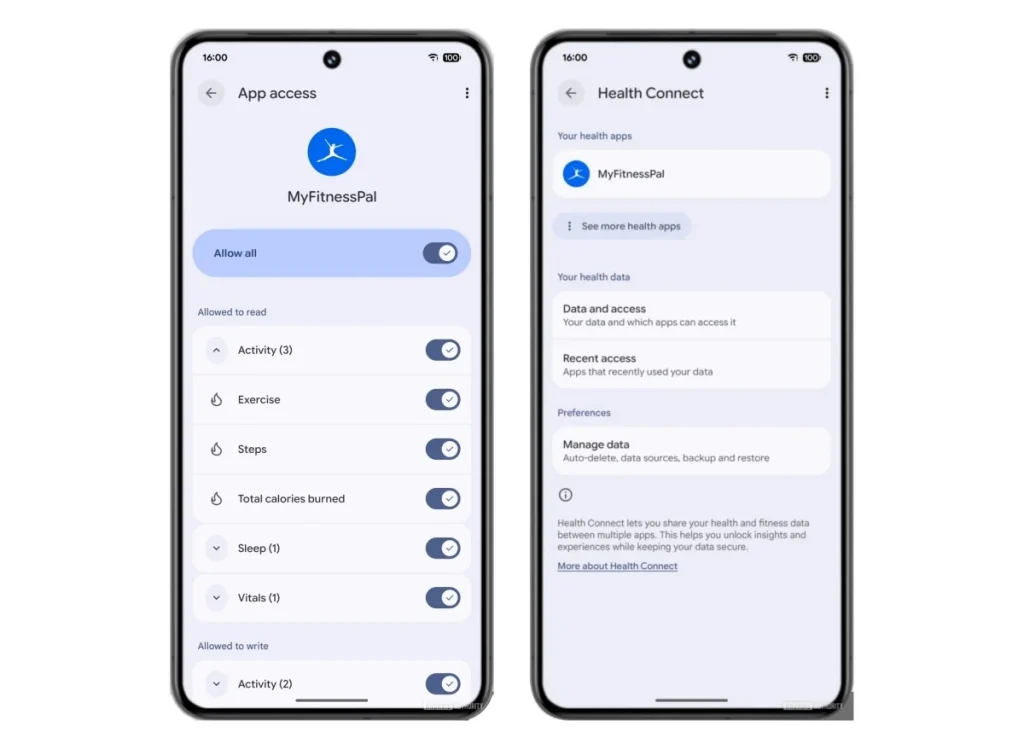
In an effort to narrow the functional gap with Apple’s Health app, Google is aggressively strengthening Health Connect, the underlying health data platform within the Android ecosystem. According to a report from Android Authority, Google plans a comprehensive interface overhaul of Health Connect, alongside the introduction of more granular data-tracking capabilities—including alcohol consumption and medical symptoms—in a bid to establish a more complete and centralized personal health data hub.
In the redesigned interface, Google has restructured the logic of the settings menu. To give users clearer visibility into which apps are accessing their data, “Connected Apps” has been moved to the most prominent position at the top of the screen. Rather than being sorted by recent read or write activity, this change makes managing data sources far more intuitive and transparent.
To address the complexity of permission management, the new version also introduces a “Group View.” Instead of toggling permissions one by one, users can now expand a category—such as “Nutrition” or “Sleep”—and grant or revoke access for an entire class of data with a single action. Beyond interface refinements, analysis of the latest Android Canary build has revealed two major new metrics soon to be supported by Health Connect:
- Alcohol Consumption: The system will be able to identify and record a wide range of alcoholic beverages, including beer, wine, whisky, and sake—an especially useful feature for users monitoring diet, metabolism, or overall wellness.
- Medical Symptoms: Marking a significant step toward clinical-grade health management, the code references dozens of symptom fields, such as abdominal pain, fever, insomnia, joint stiffness, and shortness of breath.
Combined with previously supported data such as allergy histories and vaccination records, Google is clearly positioning Health Connect to evolve from a simple fitness log into a comprehensive personal medical record. It is worth noting, however, that Health Connect primarily functions as a data hub—aside from step counting, it generally does not generate data itself. Instead, it facilitates data exchange among third-party apps like MyFitnessPal, Oura, and Samsung Health. As a result, these new features will only take effect once developers update their apps to support them.
That said, thanks to Google’s Play System Updates mechanism, these foundational enhancements do not need to wait for a major Android version release. Instead, they can be rolled out rapidly to users’ devices directly through the Google Play Store.
Related Posts:
- A New “Siri” Is Coming: Apple Considers Using Google Gemini to Power Its AI Overhaul
- A New Home for Gemini: Google Unveils Next-Gen Smart Home Devices
- Google Plans EU Search Overhaul to Avoid DMA Fines, Will Display Rivals “Equally” to Google Flights/Hotels
- Apple’s Supercharged Siri: The Long-Awaited AI Overhaul Is Coming
Support Our Threat Intelligence
Find our tech and OS security coverage helpful? Support our work today and unlock a 100% ad-free reading experience!
 Buy Me a Coffee
