
 Do Son
SikkahBot, a new Android malware, is impersonating scholarship apps to steal financial data and automate transactions from students in Bangladesh.
Malware
Malware news and in-depth analysis of the malicious software targeting organizations and users. We cover new ransomware strains, infostealers, loaders, remote access trojans and botnets, explain how they are delivered and how they work, and highlight the campaigns using them. Where available, reports include indicators of compromise and defensive guidance from researchers.

A loophole in the VS Code Marketplace allows attackers to reuse names of removed extensions to spread malware, a flaw that creates a new supply chain attack vector.

A new report reveals that the AppSuite PDF Editor is a Trojan horse that functions as a backdoor. Its developers even submitted it to AV vendors to get it whitelisted.

A new report reveals a global malvertising campaign on Facebook spreading an evolved version of Brokewell malware to steal crypto and bypass 2FA.

A new report reveals MystRodX, a stealthy backdoor that uses passive wake-up triggers and multi-layer encryption to operate undetected in networks for months.

A new report from AhnLab reveals the Interlock ransomware group is actively attacking businesses and critical infrastructure in North America and Europe with a sophisticated encryption model.
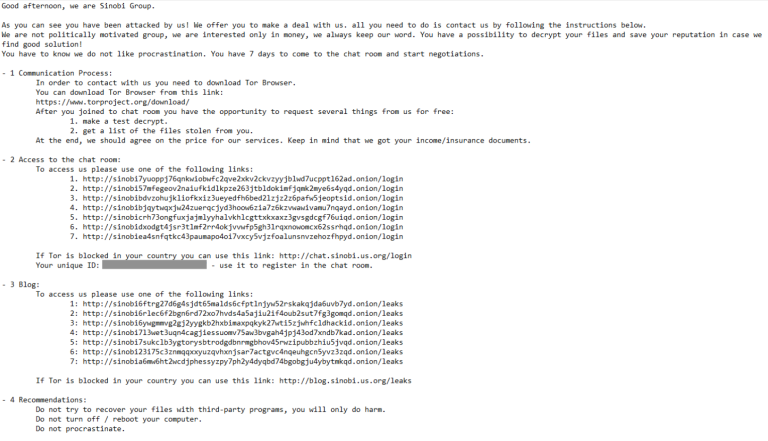
A new report links Sinobi Group ransomware to Lynx, a potential rebrand. The group is using strong encryption and targeting compromised SonicWall VPN credentials to gain access.

A new campaign is using fake AI-themed content to trick users into downloading a malicious ScreenConnect installer that secretly delivers the XWorm Remote Access Trojan.

A new report from ESET reveals PromptLock, a ransomware strain that uses AI to dynamically generate malicious scripts, making it uniquely difficult for security software to detect.

A new report reveals the Hook Android trojan has evolved into a hybrid threat with ransomware-style overlays, lockscreen bypasses, and stealthy screen-streaming.

A new Google report reveals a Chinese APT group is hijacking captive portals and disguised plugins to deliver malware for espionage against diplomats in Southeast Asia.

A new report reveals a SpyNote Android RAT campaign using fake Google Play Store clones to steal data, with the malware abusing Accessibility Services for control.

A new report reveals a rapidly growing global phishing campaign using fake voicemails and purchase orders to distribute UpCrypter, a sophisticated malware loader.

A new report reveals that Android droppers are evolving. They are now being re-engineered to bypass Google Play Protect and deliver a wide range of malware.

A new report reveals that potentially unwanted programs are evolving into malicious software that turns victims' computers into residential proxies for a profit.
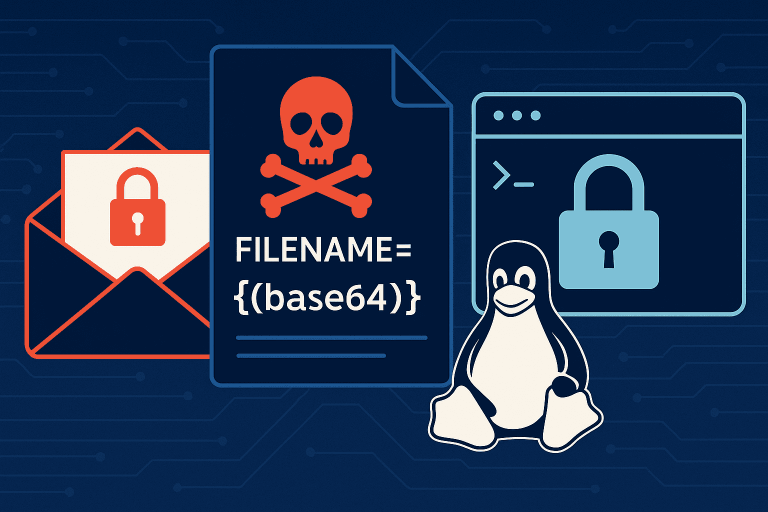
A new report reveals a dangerous Linux malware campaign that uses malicious filenames to execute a stealthy, fileless attack without the victim's knowledge.

A new report reveals the Anatsa banking trojan is now targeting over 831 financial institutions worldwide. The malware is distributed via fake apps on Google Play.

A new report reveals the return of Gayfemboy, a Mirai-based IoT malware strain. It now uses advanced evasion techniques and targets multiple vendors to launch attacks.

A new RaaS operation called BQTLock is targeting victims with sophisticated malware, aggressive ransom demands, and a tiered subscription model for affiliates.
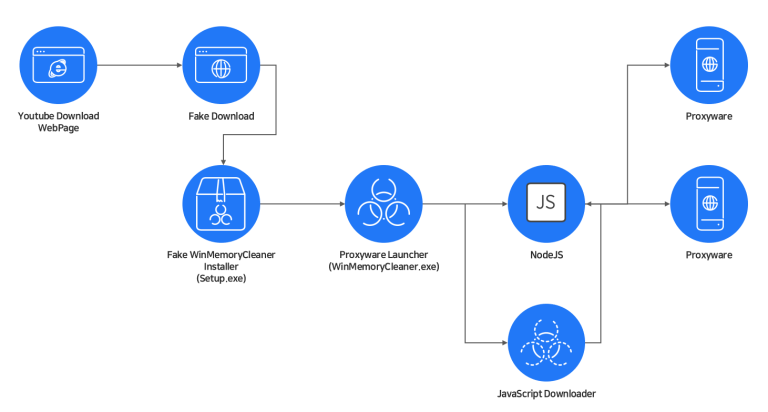
A new report reveals that malicious YouTube video downloader sites are tricking users into installing Proxyware, a type of malware that hijacks network bandwidth.

IBM X-Force has exposed QuirkyLoader, a new malware loader that uses DLL side-loading and .NET AOT compilation to deliver Agent Tesla and other threats.

A Red Canary report reveals attackers are exploiting an Apache ActiveMQ flaw to breach Linux systems, then patching the vulnerability to hide their presence.