 Do Son
At a Glance
| Actor or Group | Juan Ricardo Palacio Escobar, 52 (indicted) |
|---|---|
| Activity Type | Alleged ransomware recovery fraud and secret ransom payouts |
| Targets or Victims | Firms and people hit by ransomware attacks |
| Scale | $13,260 billed vs. $6,000 paid in one FBI sting; Florida homes |
| Jurisdiction / Status | Rhode Island federal court; pretrial release; three counts |
TL;DR
A grand jury in Rhode Island indicted Juan Ricardo Palacio Escobar on three wire fraud charges. Prosecutors tie him to an alleged ransomware recovery fraud run from a Florida firm. An FBI sting in June 2026 caught the alleged markup.
What Happened
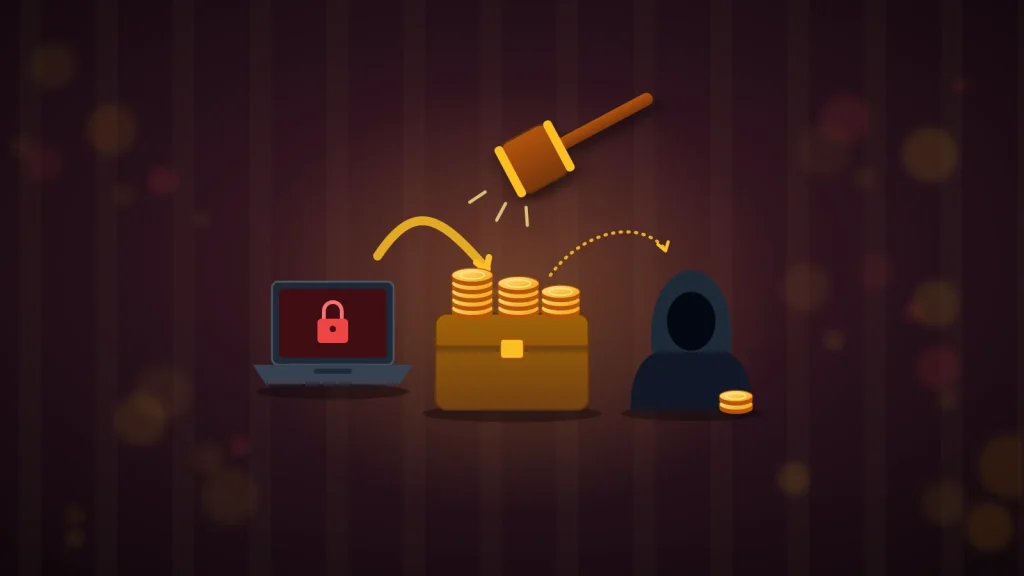
In its official DOJ press release, the agency said FBI staff posed as both a victim and a hacker. Palacio’s firm claimed it never paid hackers and used tech tools to unlock files. Yet he allegedly paid the fake hacker $6,000 in Bitcoin while billing the fake victim $13,260.
Also, TechCrunch and 404 Media noted this case follows other probes into rogue cyber firms. FBI agent Ted E. Docks said, “Little did they know he was ripping them off.” He added, “Anyone who tries to target victims of crime for personal gain should know that justice will eventually find them.”
Who Is Behind It
Trust in this link is high because FBI agents ran the June 2026 sting directly. Agents arrested Palacio, a 52-year-old Colombian man, in Las Vegas on Oct. 22. Still, he is innocent until a court proves guilt. A judge gave him strict pretrial release on Nov. 20.
Impact and Scale
Prosecutors say Palacio kept the price gap from clients to buy homes in Florida. As a result, U.S. Attorney Charles C. Calenda warned that victims “should not be victimized for a second time by those they turn to for help.”
What Comes Next and How to Stay Safe
If a court convicts Palacio on all wire fraud charges, he faces up to 20 years in prison per count. Meanwhile, the FBI and CISA urge victims not to pay ransoms. Finally, to stop ransomware recovery fraud, check firm claims, keep offline backups, and call the FBI after an attack.
Support Our Threat Intelligence
Find our threat intelligence and malware analysis helpful? Support our work today and unlock a 100% ad-free reading experience!
 Buy Me a Coffee
