
 Do Son
Kaspersky exposed the AuditTeam OpsAgent ransomware campaign, where attackers use the AuditTeam OpsAgent ransomware framework to demand fake audit fees.
ransomware
Ransomware is malware that encrypts or steals an organization’s data and then demands payment to restore access or keep the files private. Modern groups rarely stop at encryption. Most now use double extortion. They copy sensitive data first. Then they threaten to publish it on a leak site if the victim refuses to pay.
This tag collects our daily coverage of the ransomware ecosystem. You will find reports on new strains and their encryptors, leak-site claims, attacks on hospitals, schools, manufacturers and local governments, and law-enforcement actions such as Operation Cronos against LockBit. We also track the affiliate model, where developers rent their tools to partners who break in and deploy the payload.
Initial access is the part defenders can control most. Many recent campaigns began with an unpatched VPN or firewall, a stolen password without multi-factor authentication, or a remote access tool left open to the internet. For that reason, we link ransomware stories to the vulnerabilities behind them. When a group starts exploiting a flaw, you will usually see it here and in our CISA KEV coverage at the same time.
How should you read these reports? First, check whether the entry point affects your own stack. Next, review the listed indicators and tactics, which often map to MITRE ATT&CK techniques. Then test your backups. Offline, immutable backups remain the single best way to recover without paying. Finally, rehearse your incident response plan, because the first hours of an attack decide most of the damage.
We write every article from a defensive angle. We do not host samples, builders or leak data. Instead, we point to vendor advisories, government alerts and detection guidance that help security teams act quickly.
Articles below are sorted from newest to oldest. Older entries remain useful for history, but always check the latest vendor guidance before you act. Our editors update major incidents as new facts emerge.
Related topics include zero-day exploits, infostealers that feed stolen credentials to ransomware crews, and phishing campaigns that still open many doors.

The DOJ and FBI executed a Gootloader malware takedown, wiping the botnet from 100+ WordPress servers after 25,000 infections and $28.8M in losses.

A widespread Synology NAS ransomware wave targets exposed devices via patched DSM vulnerabilities. Update firmware immediately to prevent encryption.

Hackers reduced the GMO Internet ransom demand from $50M to $1M and leaked victim files after the Japanese conglomerate ignored multiple bug warnings.

A Hive ransomware affiliate who also used Nefilim ransomware got 70 months in prison. A co-conspirator remains at large with an $11M reward.
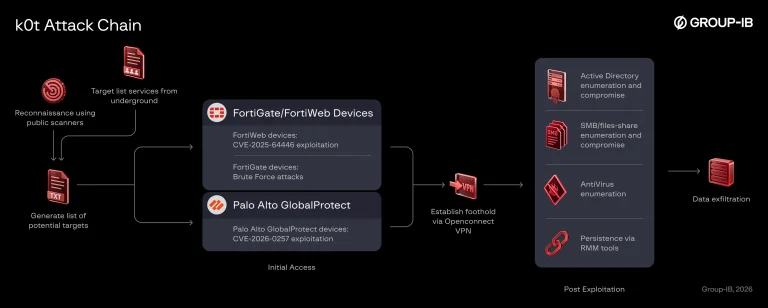
A suspected initial access broker behind FortiGate GlobalProtect attacks exposed 70,000+ credentials. See how k0t operates and how to defend.
A new StopRansomware advisory warns SafePay ransomware has hit 600+ victims via VPN logins and edge flaws. See its tactics and key defenses.

Discover the MonsterCloud ransomware decryption fraud. Learn how Zohar Pinhasi allegedly deceived clients by secretly paying hackers for data recovery keys.
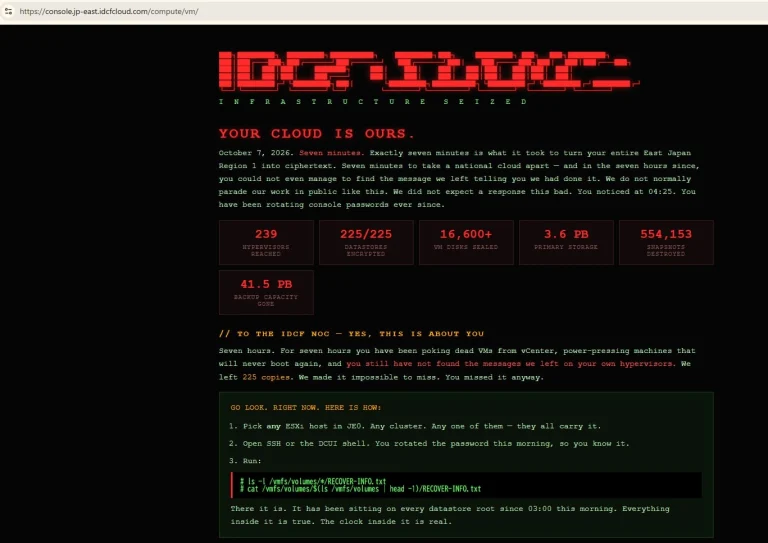
Explore the devastating SoftBank IDCF Cloud ransomware attack. Read the hackers' humiliating note revealing the massive East Japan Region 1 outage.

Trump Mobile data breach: BYOD leaks Trump Mobile customer data for 3,615 people, including Trump allies, via an infostealer and no MFA.
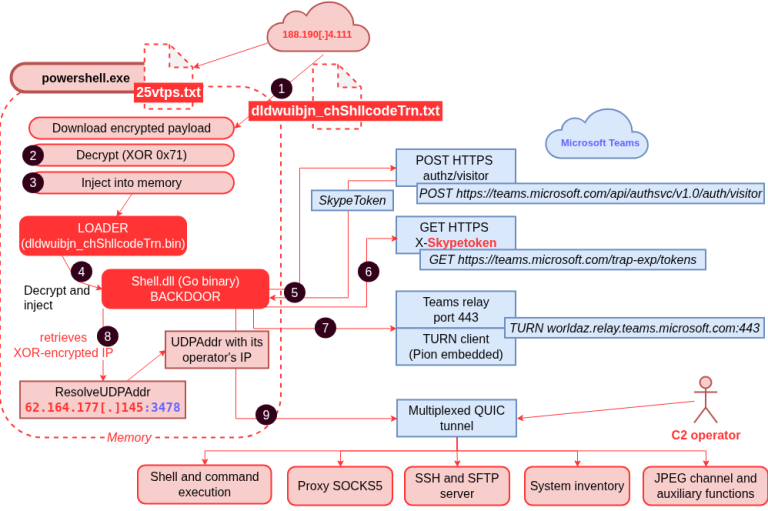
A new DragonForce backdoor hides in Microsoft Teams TURN relays and falls back to MQTT. See how it works and how defenders can spot it.

Microsoft ties a JADEPUFFER Azure attack to Storm-3168, the agentic ransomware actor that tried to delete 100+ storage accounts in seven minutes.
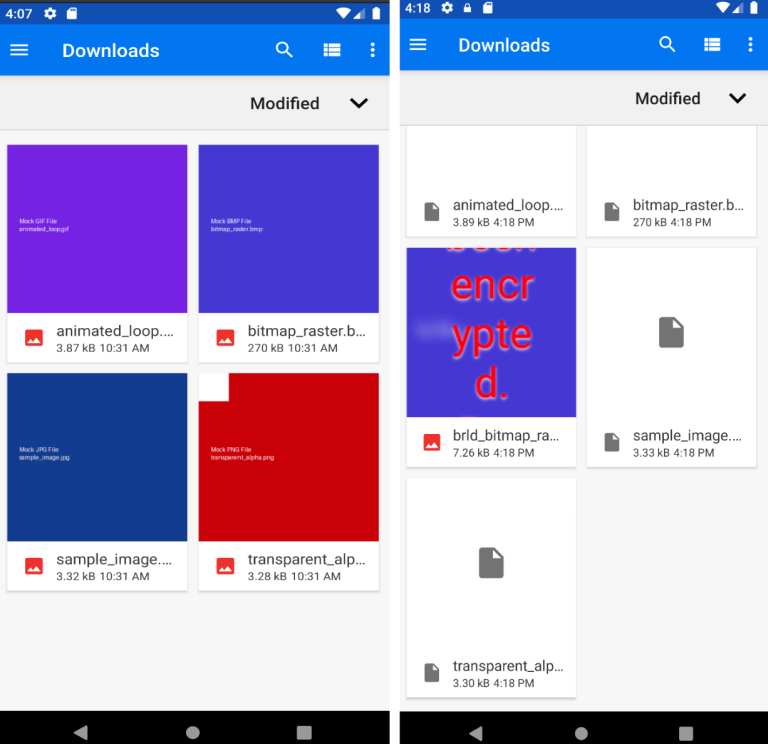
Zimperium zLabs discovered Mantax Otax Android malware, a fierce Indonesian mobile ransomware integrating spyware to hijack, record, and extort victims.
Cisco Talos warns of Cisco FMC vulnerabilities actively exploited in the wild. Attackers chain CVE-2026-20079 and CVE-2026-20316 to deploy ransomware.

Recent Node.js malware attacks target global firms. Attackers deploy Node.js malware using trusted runtimes and smart contracts to evade detection.
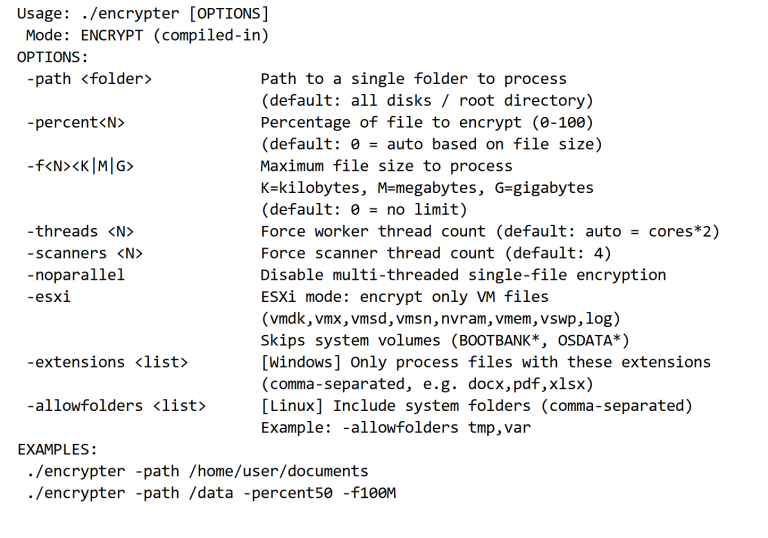
The Aurora ransomware group targets VMware ESXi systems. Discover how the Aurora ransomware ESXi campaign abuses Cursor Agent for hands-on attacks.
PaperCut confirms a NG/MF vulnerability exploited in the wild. Restrict server access now and apply the emergency patch for versions 25 and 26.
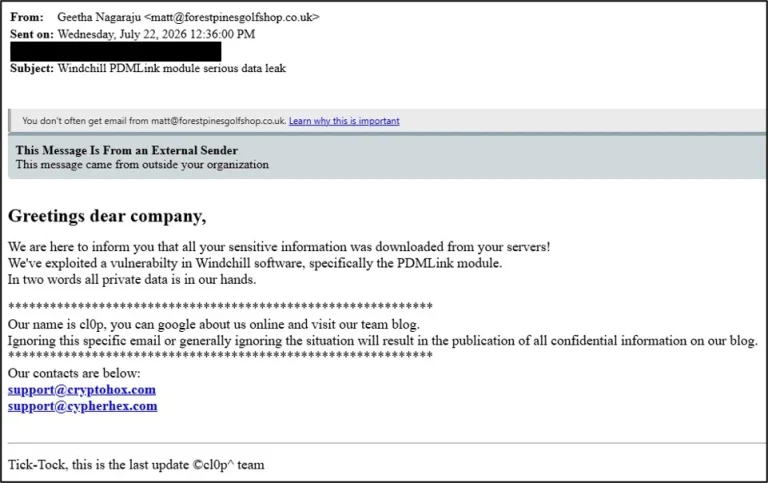
The Clop web shell targets PTC Windchill via CVE-2026-12569, stealing credentials and engineering data in a mass-extortion campaign.
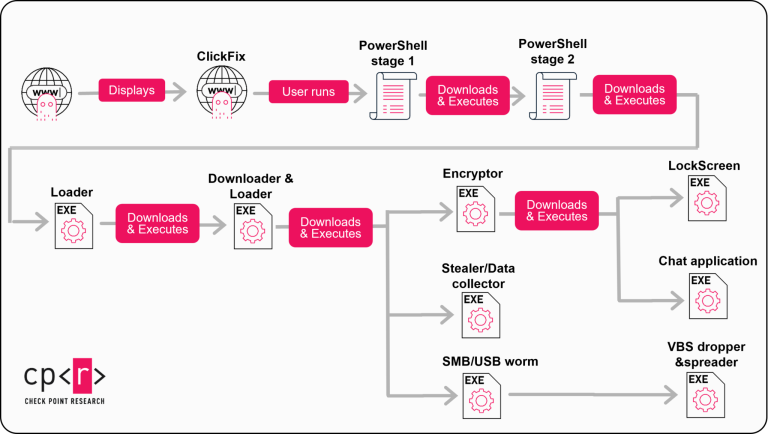
StopAndProtect malware turns hacked WordPress sites into a botnet for ransomware and data theft. Check Point exposed 5,000+ victims.
Zscaler details the C2Looper backdoor, a Rust backdoor tied to ransomware that uses GitHub for C2 and likely spreads through ClickFix lures.
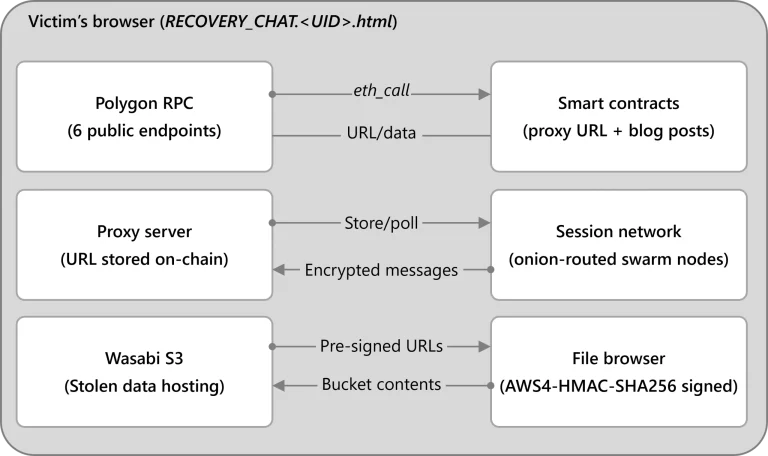
DeadLock ransomware uses blockchain nodes and Session chat. Learn how the DeadLock ransomware encryptor targets networks worldwide.

CISA and five agencies warn that Gunra ransomware is hitting critical infrastructure with double extortion. A Linux flaw may let victims recover free.