 Do Son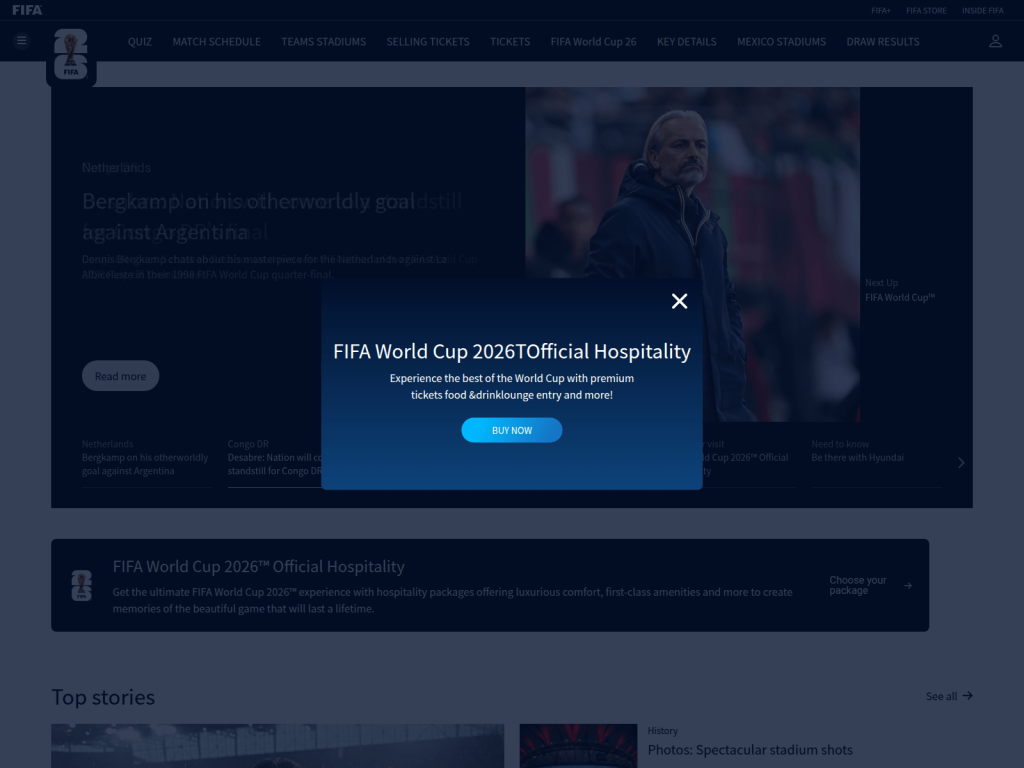
Fraudulent FIFA 2026 Official Hospitality Ticketing Portal | Image: Cyble
At a Glance
| Actors | Multiple threat actors (no single named group); strong Chinese-language focus |
|---|---|
| Activity | FIFA-themed fraud: phishing, ticket and VIP scams, pirate streaming, dark web resale |
| Targets | Football fans worldwide; mainly Chinese-speaking, also Korean and Latin American |
| Scale | ~4,000 fraudulent domains; alleged 150,000+ football identity records (unverified) |
| Law-enforcement status | No arrests reported; CRIL monitoring ongoing |
| Source | Cyble Research and Intelligence Labs (CRIL) |
TL;DR
Cyble exposed a FIFA 2026 fraud ecosystem built on nearly 4,000 fake domains. The sites push fake tickets, VIP scams, and pirate streams at football fans. Scammers then move victims to Telegram and WhatsApp to collect payments and data. Cyble calls the investigation Operation FanTrap.
What Happened
Since May 2026, CRIL tracked a wave of FIFA-themed scam sites. The fraud started ramping up months before kickoff. The team counted close to 4,000 domains that copy FIFA brands, ticket portals, and streaming services. According to Cyble, the World Cup “has evolved into a large-scale cybercrime opportunity.”
The tournament spans the US, Canada, and Mexico in a 48-team format. That global reach gives scammers a huge audience. The domains also follow clear patterns. Many use zh- and cn- prefixes aimed at Chinese-speaking fans. Others pose as official ticket or VIP pages. The biggest cluster alone held 541 Chinese-language phishing and streaming domains.
From Fake Sites to Private Chats
The fraud rarely ends on the website. Instead, victims get pushed into Telegram and WhatsApp chats. There, sellers build trust with fake testimonials and forged receipts. Then they collect payment and vanish. This FIFA 2026 fraud ecosystem treats messaging apps as its checkout counter.
Pirated Streams and Ticket Traps
Free-stream lures play a central role. Cyble says pirated platforms “serve as credential theft and payment fraud funnels rather than simple copyright violations.” Promoters spread these links through Discord, Telegram, and fan forums. The sites harvest emails, passwords, and card details. Some also push apps that request risky permissions or hide malware.
Ticket resale scams add another layer. Fraudsters post on forums with long histories to look credible. However, an active profile proves nothing about real tickets. Cyble urges fans to stay cautious even inside trusted communities.
Who Is Behind It
Cyble does not name a single group. The activity looks like many actors sharing one playbook. The heavy use of Chinese-language lures points to a focus on Mandarin-speaking victims. The targeting also reaches Korean and Latin American fans. Still, formal attribution remains open. No arrests have been reported so far.
The Alleged Passport Leak
CRIL also spotted a dark web post claiming a football data leak. The seller advertised passport scans and personal details for over 150,000 players and coaches. This claim is unverified. Cyble states that “such claims require independent forensic verification before a confirmed breach status can be assigned.” Readers should treat the figure as alleged. If the records are real, they could power spear-phishing against clubs and agents.
Impact and Scale
The 4,000 domains form only one layer of the operation. Cyble maps the scheme across five stages. These run from domain registration to final monetization. Each stage feeds the next. Broadcasters, ticketing firms, and fans all sit in the blast radius.
How Fans Can Stay Protected
Buy tickets only from FIFA’s official channels. Avoid “VIP” deals offered through Telegram or WhatsApp. Skip pirate streams, since they often steal data. Check a site’s domain and reputation before you pay. Watch for urgency tactics that pressure a fast payment. Finally, never reuse passwords across fan sites and payment accounts.
Support Our Threat Intelligence
Find our threat intelligence and malware analysis helpful? Support our work today and unlock a 100% ad-free reading experience!
 Buy Me a Coffee
