Google Integrates Nano Banana AI Editor into Search, NotebookLM, and Photos to Deepen Ecosystem AI
 Do Son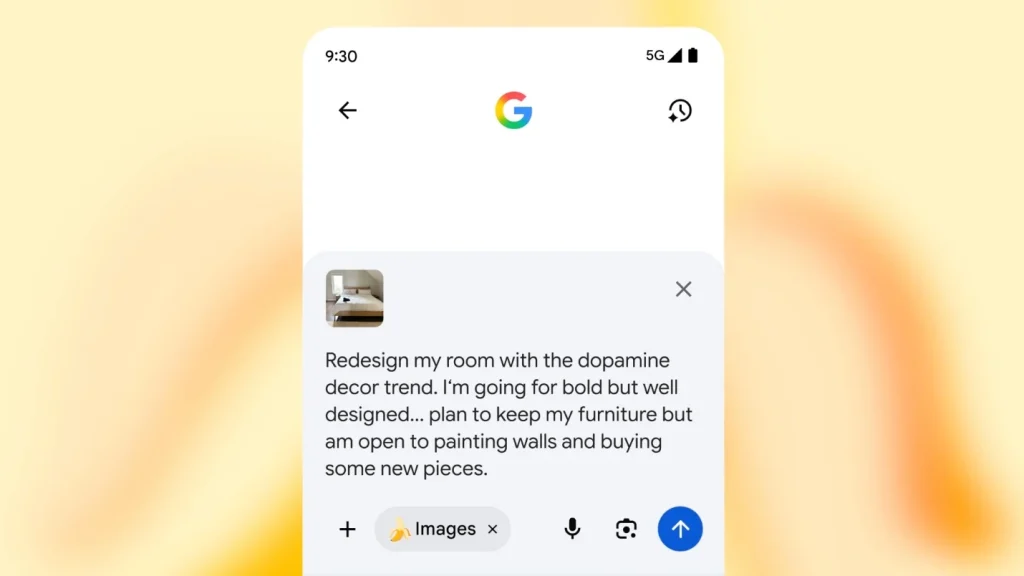
The popular Nano Banana AI image editing tool, which has attracted considerable user attention, is now being further integrated into Google’s ecosystem, according to a recent announcement by the company. The tool will soon become natively available across Search, NotebookLM, and Photos, allowing users to access its AI-driven image editing features directly within these services — without the need to switch applications.
Within NotebookLM, the integration will enhance the Video Overviews feature with six new visual styles, including watercolor and anime-inspired modes. It will also enable the automatic generation of contextual illustrations derived from source materials, alongside the introduction of a new microvideo creation feature known as Briefs.
Video Overviews, a key NotebookLM feature, allows users to automatically transform uploaded documents into narrated explainer videos or generate presentation-ready content with voiceovers. With the addition of Nano Banana’s AI image editing capabilities, the update will first roll out to Pro users this week, before becoming available to all users in the coming weeks.
As for the Search integration, users will soon be able to access Nano Banana’s AI editing tools through conversational prompts in the Google App. For example, one could ask the system to apply a specific visual style to an existing image or use the Lens tool to capture a photo and then instantly edit it using AI. This feature will initially launch in the United States with English-language support, with broader international and multilingual availability to follow.
Regarding the Photos integration, Google has stated only that Nano Banana will arrive “in the coming weeks,” without revealing specific details on how it will merge with photo storage and organization features. However, it is expected that users will be able to directly edit stored photos, enhancing them through AI-assisted visual refinement for more aesthetically polished results.
Google’s decision to integrate the Nano Banana AI image editor across its services clearly signals a broader strategy — one aimed at expanding user reach and multiplying creative possibilities, while embedding AI functionality more deeply into its ecosystem.
By simplifying image and video creation through artificial intelligence, Google is positioning these tools to attract a new wave of content creators, as well as empowering everyday users to produce visually refined, high-quality work with ease. Yet, such democratization of creativity may also lead to a growing homogenization of styles, potentially blurring the boundaries of individual originality.
Nevertheless, compared to other companies pursuing AI integration, Google holds a distinct advantage: its vast, interconnected service ecosystem enables AI technologies to operate more seamlessly and synergistically, while continuously generating valuable training data to further enhance performance. This dynamic could very well cement Google’s competitive edge in the accelerating global race for artificial intelligence supremacy.
Related Posts:
- KDE Sets Sights on New Horizons with “Project Banana” Linux Distro
- Chrome 137 Uses On-Device Gemini Nano AI to Combat Tech Support Scams
- Gemini Nano Block: Google Locks On-Device AI Access for Smartphones with Unlocked Bootloaders
- Banana Squad Strikes Again: 60+ GitHub Repositories Trojanized in New Software Supply Chain Attack
- Google Search Unveils “Audio Overviews”: Listen to Search Results with AI-Powered Summaries
Support Our Threat Intelligence
Find our tech and OS security coverage helpful? Support our work today and unlock a 100% ad-free reading experience!
 Buy Me a Coffee
