 Do Son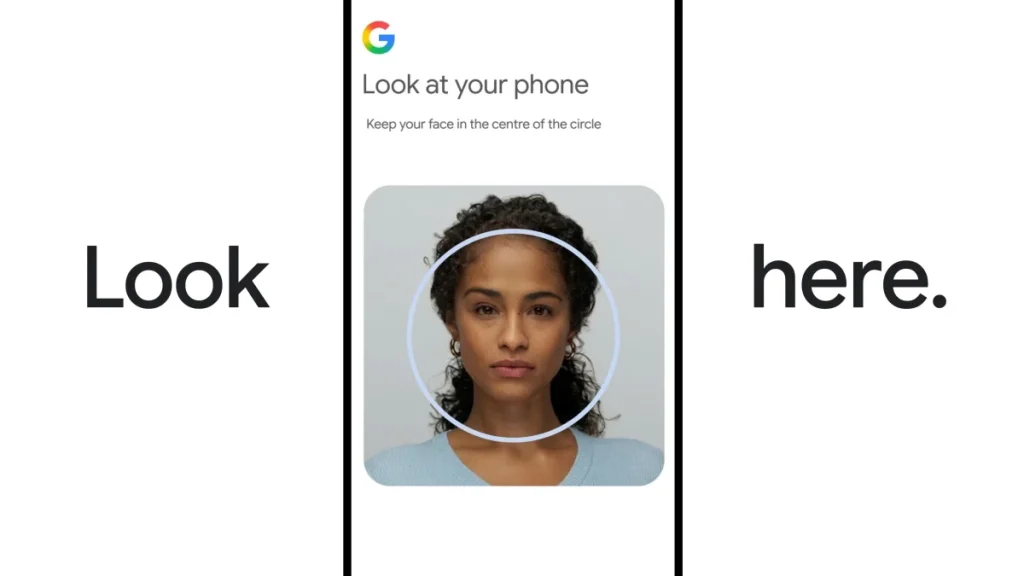
We live in an age thoroughly dependent on digital accounts. How, then, does one prove one is oneself after losing a phone, forgetting a password, or finding every backup device unavailable?
Seeking to offer a more flexible route to recovery, Google has introduced a selfie video sign-in option for Google Accounts.
Proving You Are Real by Turning Your Head
Users could already sign in through face unlock on a phone, or through biometrics bound to a passkey, such as a fingerprint. The new selfie video feature addresses a narrower and more desperate circumstance: losing your habitual device, or finding yourself locked out entirely.
Setting It Up in Advance
Enrolment must happen while you remain signed in. Navigate to the Security page of your Google Account, then select Selfie video within the section listing how you sign in to Google.
A computer with a webcam handles the process directly. Otherwise, the system produces a QR code for you to scan with a phone camera instead.
During setup, remove any spectacles or face covering and position yourself before a plain, uncluttered background. The screen then guides you through several brief head movements, capturing your face from multiple angles.
Recovering Later
Should you find yourself locked out, simply record a fresh selfie video using any available camera. The system compares that recording against the one you enrolled and verifies your identity accordingly.
Privacy and Deepfake Defence
Generative AI and deepfake technology are now widespread. Using video as a credential therefore raises obvious security concerns.
Google responds that the system carries multiple protective layers. During sign-in, it requires specific live movements, ensuring a genuine person stands before the lens rather than a pre-recorded deepfake or a static photograph.
Storage and Control
On the privacy side, Google promises the recordings are encrypted at rest. Absent your consent, they serve only sign-in verification, and you may delete them from the settings page at any moment.
One limitation bears noting. The feature is not yet available to Google Workspace business and education accounts, child accounts, or high-risk users enrolled in Google’s Advanced Protection Program.
From Remembered Secrets to Proof of Presence
Adopting dynamic selfie video as both a sign-in and rescue mechanism reflects a broader shift in how technology companies conceive of security.
Older approaches asked users to prove they knew a secret, such as a password or a security answer. Others asked them to prove possession of hardware, whether a token generator or a personal handset. This asks instead for proof of embodied presence in the moment.
Why That Shift Matters
Passwords are forgotten and phones are stolen. SMS codes, meanwhile, can be intercepted through phishing.
Biometrics are hardly invulnerable, particularly as face-swapping techniques grow more sophisticated. Nevertheless, compelling live behaviour — turning the head in a prescribed manner, blinking on cue — raises the cost of remote account theft substantially.
A Safety Net, Not a Replacement
The feature supplants neither passwords nor passkeys. It functions as a final layer of insurance.
For those who habitually forget passwords, or who never bothered configuring multiple fallbacks, storing one’s own face in the cloud as a last-resort key strikes an ingenious balance between convenience and security.
Support Our Threat Intelligence
Find our tech and OS security coverage helpful? Support our work today and unlock a 100% ad-free reading experience!
 Buy Me a Coffee
