Google Teases Pixel 10 Design on Store Page: New Colors, Telephoto Lens for Standard Model
 Do Son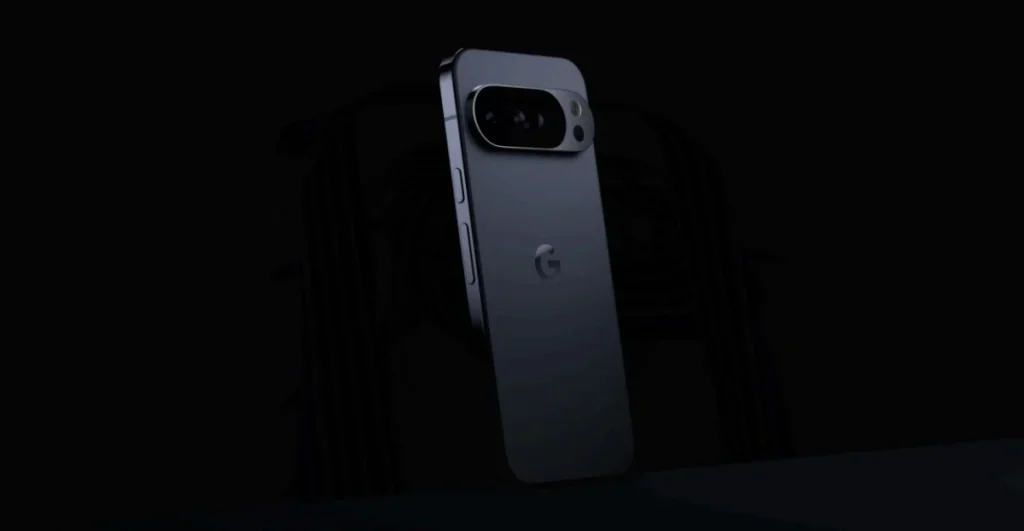
Google recently offered an early glimpse of its upcoming Pixel 10 smartphone through a short video featured on the homepage of the Google Store, showcasing the device’s design ahead of its official unveiling on August 20.
The device presented appears to be the standard Pixel 10 model, which largely retains the design language of the Pixel 9, though with subtle refinements. These include a new gray-blue color variant and a reimagined rear camera module layout. Notably, the telephoto lens—previously exclusive to the Pro model—now seems poised to make its way into the standard edition.
The handset continues to feature a flat, right-angled frame, with a matte finish on the back and a metallic chassis. While Google has yet to disclose detailed specifications for the Pixel 10, it is widely expected to be powered by the next-generation Tensor chipset, reportedly manufactured by TSMC.
According to earlier leaks, the Pixel 10 series may continue Google’s established product strategy, potentially including not only the standard and Pro variants but also the return of an XL version and an updated foldable model. The shift to TSMC for processor fabrication further suggests performance and efficiency enhancements. Additionally, the Pixel Watch 4 is anticipated to arrive with a slimmer case and extended battery life, while the Pixel Buds may receive upgrades such as improved noise cancellation and spatial audio capabilities.
Rumors also suggest that Google will debut a new wireless charging accessory technology dubbed “PixelSnap” with the Pixel 10 series, intended to rival Apple’s MagSafe. Compatible with the Qi2 wireless charging standard, PixelSnap is said to offer magnetic alignment for seamless charging, potentially launching alongside a redesigned charging dock and an array of magnetic accessories.
As most Android devices have yet to adopt the Qi2 standard, Google’s early implementation could serve as a catalyst for broader industry adoption, unlocking a wider ecosystem of compatible accessories.
Moreover, this release may also introduce significant enhancements in generative AI capabilities, particularly through deeper integration between Android and Google’s Gemini AI—further elevating the intelligent features of the Pixel product line.
Related Posts:
- Google Pixel Shifting to TSMC? Tensor G5 May Power Pixel 10
- Discover More: Google Lens Arrives on YouTube Shorts!
- Google Lens is expanding to more Android devices
- Google open Tensor Processing Unit AI Chip to other companies
- 7 Android & Pixel Vulnerabilities Exposed: Researcher Publishes PoC Exploits
Support Our Threat Intelligence
Find our tech and OS security coverage helpful? Support our work today and unlock a 100% ad-free reading experience!
 Buy Me a Coffee
