 Do Son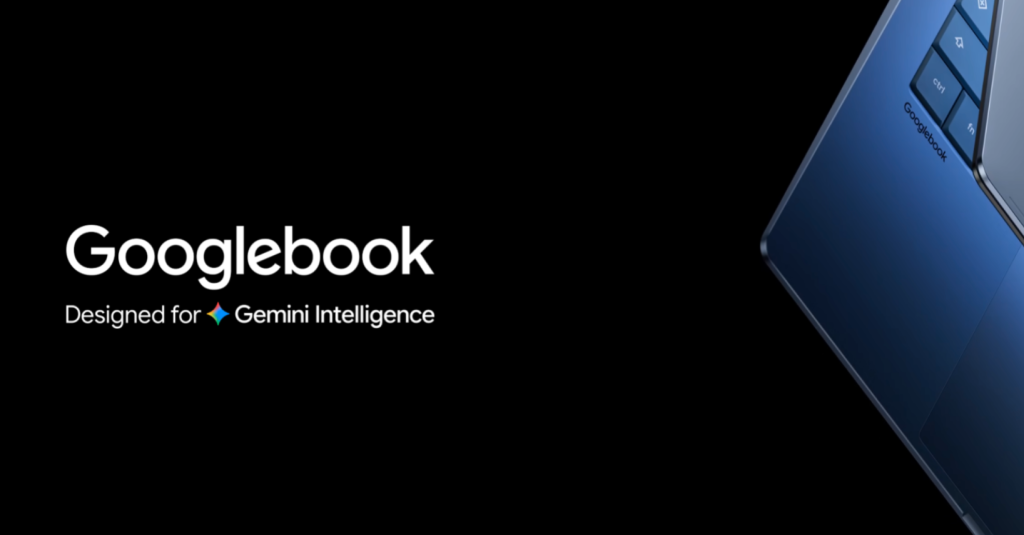
This week, Google unveiled the Googlebook laptop series, a collaborative venture with various OEMs. This hardware lineage is set to debut with AluminumOS (a developmental codename), an operating system built upon the foundational Android stack. Designed to facilitate the seamless execution of Android applications within a desktop environment, the system further distinguishes itself through the profound integration of Gemini AI services, which assist users in orchestrating a multitude of complex tasks.
Conventionally, one would anticipate the Googlebook to be powered primarily by Qualcomm or MediaTek ARM processors, given that Android currently lacks native support for alternative architectures, with the notable exception of RISC-V. However, Google has confirmed Intel’s participation in the initiative, a revelation that strongly suggests the imminent introduction of x86 architecture support.
For an extensive duration, Google has abstained from extending x86 support to the Android ecosystem. Consequently, users seeking to deploy Android virtual machines on x86 hardware have had to rely on community-driven compatibility layers—many of which have languished without updates. An alternative methodology, pioneered by Microsoft, involves utilizing a translation layer similar to the Windows Subsystem for Android (WSA) to bridge the architectural divide.
A Google Vice President confirmed in a recent interview that the forthcoming Googlebook lineup will feature processors from Qualcomm, MediaTek, and Intel. Given the absence of reports suggesting Intel’s pursuit of ARM-based silicon, it stands to reason that Google is embedding x86 compatibility directly into AluminumOS. It remains pertinent to note, however, that AluminumOS is not synonymous with the standard Android distribution; thus, the latter may continue to prioritize the ARM and RISC-V architectures exclusively.
Intel has corroborated this partnership via its official social media channels, though the provided link merely directs inquiries back to Google’s primary portal. As of now, Intel has refrained from disclosing further technical specifics regarding its role in the Googlebook project or the particular x86 hardware involved.
Support Our Threat Intelligence
Find our tech and OS security coverage helpful? Support our work today and unlock a 100% ad-free reading experience!
 Buy Me a Coffee
