 Do Son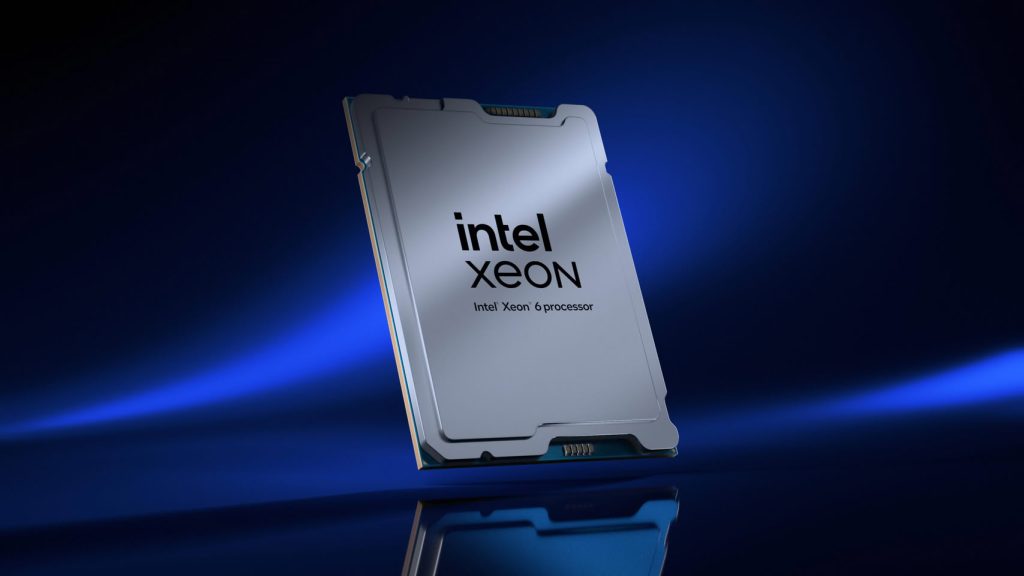
According to credible intelligence emerging from the Taiwanese supply chain, Intel Corporation proactively adjusted the pricing structure across multiple generations of its PC processors in late September. Most notably, the price escalation for premium, high-end processor SKUs has staggeringly reached 20 percent. Concurrently, industry whispers suggest that specific AMD Ryzen and EPYC processors may also experience an imminent 10 percent price surge. However, AMD has not yet promulgated a definitive pricing framework.
High-End CPU Prices Surge by Up to 20%
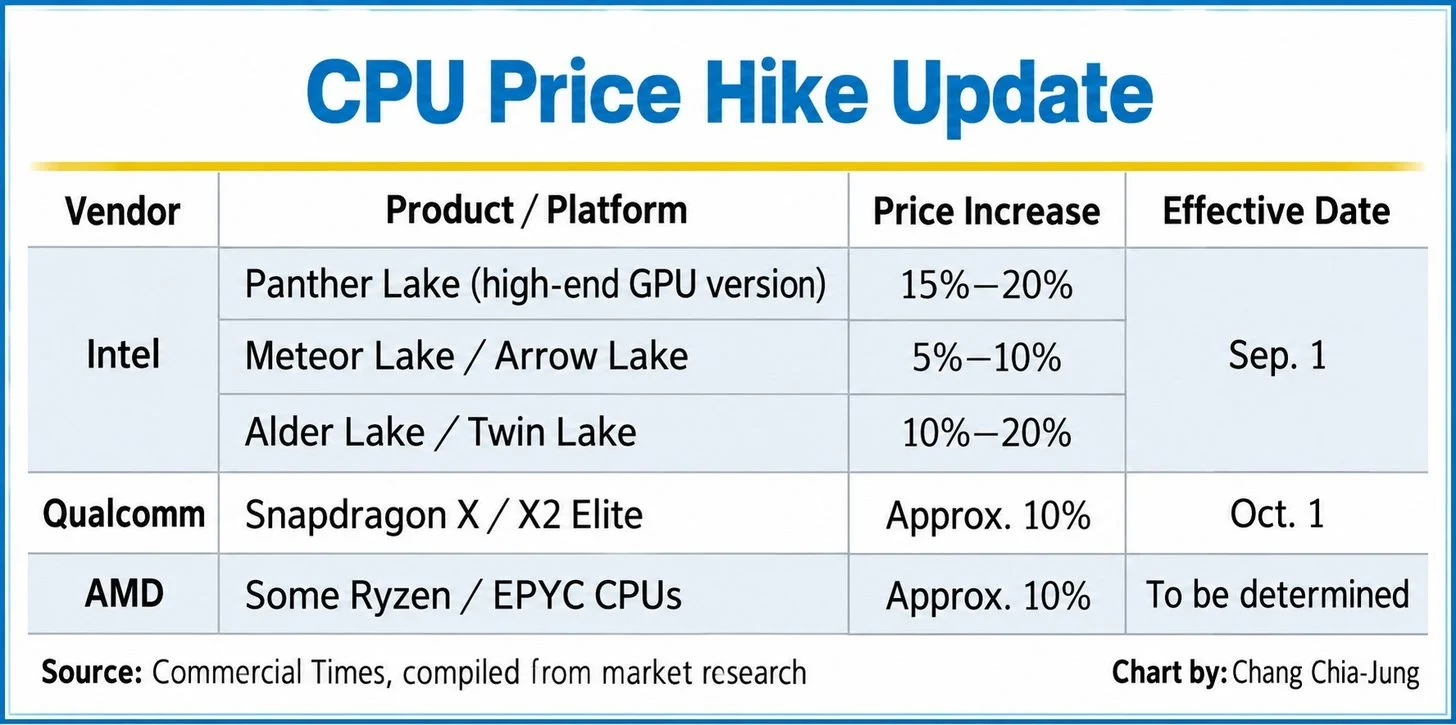
Supply chain sources indicate that within the Intel Panther Lake series, models equipped with high-end integrated GPUs experienced the most profound price inflation. Specifically, the supply prices for versions featuring 10-core and 12-core GPUs surged by approximately 15 to 20 percent. However, it currently remains ambiguous whether every single SKU within this series is subject to this aggressive price adjustment.
Conversely, the price inflation for Intel Meteor Lake and Arrow Lake processors hovers between a more modest 5 and 10 percent. However, the Twin Lake processors, engineered for entry-level and low-power devices, alongside the legacy 12th-generation Alder Lake series, face a steep price increase of roughly 10 to 20 percent. This definitively signals that the pricing adjustments are not confined to cutting-edge releases. Instead, they have decisively expanded to encompass specific legacy models and entry-level components.
Anticipated AMD Price Increases Within the Supply Chain
According to pervasive supply chain murmurs, AMD is highly likely to implement a price hike on specific Ryzen and EPYC processors, with the anticipated increase hovering around 10 percent. Currently, definitive details regarding the exact models, targeted regional markets, and the official effective date remain elusive. This information primarily stems from speculative projections within supply chain enterprises. These industry analysts hypothesize that the impending price increases for the Ryzen portfolio could encompass the 5000, 7000, 8000, and 9000 series. In addition, the server segment adjustments will likely impact specific EPYC processors.
This industry-wide trend follows Qualcomm’s previous implementation of a 10 percent price increase on its Snapdragon X and Snapdragon X2 Elite processors. These pervasive price escalations are primarily driven by the surging global demand for AI-capable PCs and robust servers. Furthermore, the relentlessly escalating costs associated with advanced manufacturing nodes, silicon wafers, and sophisticated packaging technologies contribute significantly. Intel relies heavily upon TSMC’s advanced process packaging for certain silicon components. Meanwhile, AMD’s extensive product portfolio is also critically dependent upon TSMC’s manufacturing capabilities.
Support Our Threat Intelligence
Find our tech and OS security coverage helpful? Support our work today and unlock a 100% ad-free reading experience!
 Buy Me a Coffee
