 Do Son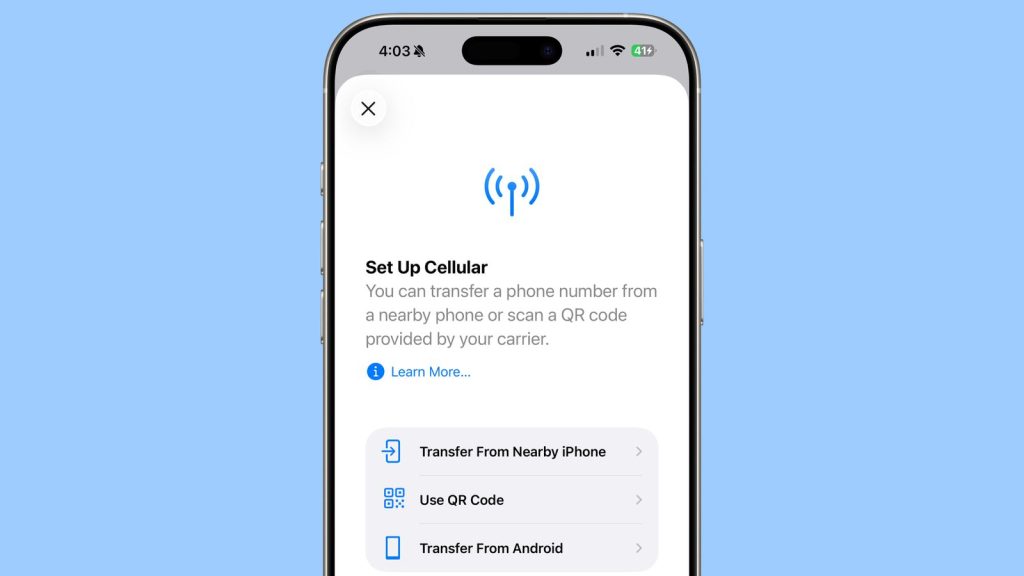
Image: Macrumors
With eSIM technology steadily gaining traction, Apple now appears to be accelerating this transition. According to the latest reports, the iPhone 17 series is highly likely to eliminate the physical SIM card slot in more countries and regions, offering only an eSIM design.
Apple first took this step in 2022 with the iPhone 14 series, where U.S. models were shipped entirely without SIM card slots, relying solely on eSIM. With the imminent arrival of the iPhone 17, Apple has begun requiring authorized resellers and retail staff to complete eSIM training by September 5—clearly a move to prepare for broader adoption of a “cardless” future worldwide.
For users, such a transition carries both advantages and drawbacks. On the convenience side, eSIM allows multiple numbers to be managed on a single device, an appealing feature for business professionals and frequent international travelers who would otherwise swap physical cards repeatedly. The technology also offers an additional layer of security, since it cannot be stolen or removed like a traditional SIM.
Yet, not all markets are fully prepared. In some emerging regions, carrier support for eSIM remains limited, with pricing plans offering little flexibility. For these users, Apple’s removal of the SIM slot could prove inconvenient, even discouraging potential purchases.
The challenge is particularly acute in China, where physical SIM cards remain the dominant standard. A too-aggressive push from Apple would necessitate closer coordination with the local telecom ecosystem.
Apple’s strong push toward eSIM also aligns with its design philosophy. Analyst Ming-Chi Kuo has suggested that the iPhone 17 Air, with its ultrathin form factor, may omit the physical SIM slot entirely. Such a move would reduce internal space requirements, enhance structural integrity, and free up more room for the battery or other components. In this sense, eliminating the SIM slot is less a strategic gambit and more an inevitable step in design evolution.
As 5G and global telecom standards continue to advance, eSIM is expected to replace physical SIM cards—it is only a matter of time. Apple is once again using its flagship products to lead users into a new era, echoing its earlier decisions to remove the headphone jack and stop bundling chargers.
The shift will undoubtedly remain contentious, but in the long run, it may represent a decisive step toward greater integration in the mobile communications industry.
For consumers, the iPhone 17 series may well become the pivotal watershed: not only a symbol of Apple’s vision for the future of mobile connectivity, but also a turning point where global users are compelled to adapt to the habits ushered in by eSIM. Whether Apple can strike the right balance between convenience and widespread accessibility will determine how readily this transformation is embraced.
Related Posts:
- Check Point: Hackers use over 10,000 hacked WordPress sites to launch malvertising campaign
- Easier eSIM Swaps: iPhone to Android Transfer Coming Soon?
- eSIMs: The Future of Connectivity, But Are Consumers Ready?
- Seamless eSIM Transfer: iOS 26 Now Supports Direct Migration to Android
Support Our Threat Intelligence
Find our tech and OS security coverage helpful? Support our work today and unlock a 100% ad-free reading experience!
 Buy Me a Coffee
