iPhone Air 2 Cancelled: Apple Shifts to Split Release Cycle for Foldable iPhone
 Do Son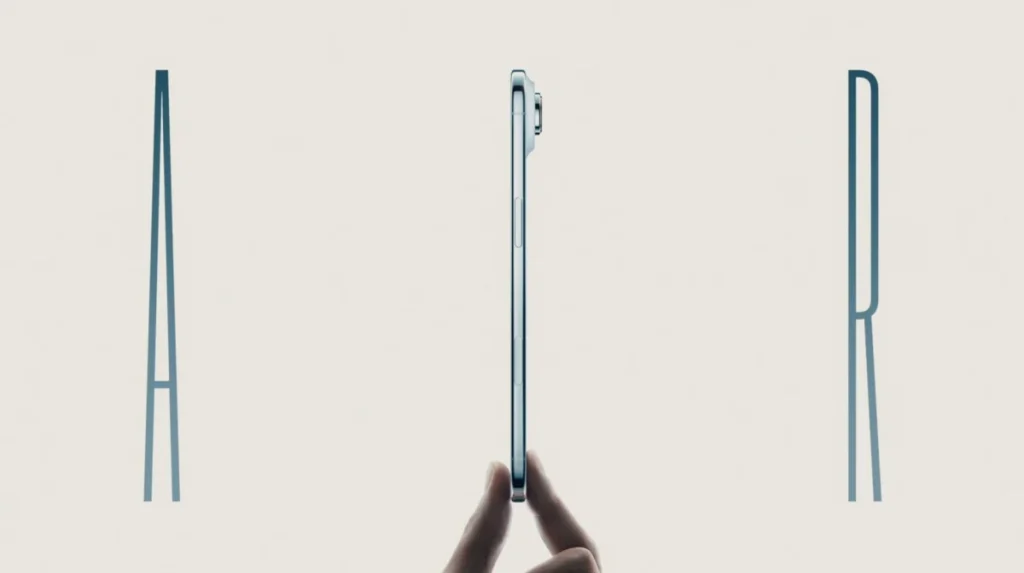
Addressing recent rumors surrounding the iPhone Air 2, Bloomberg journalist Mark Gurman noted in the latest edition of his Power On newsletter that the device had never been part of Apple’s release schedule for the coming year. Its absence, he emphasized, is not the result of disappointing iPhone Air sales nor a simple six-month delay. Gurman reiterated that Apple’s future iPhone roadmap will shift to accommodate a new foldable model, with high-end devices debuting each fall and standard models following the next spring.
Earlier reports claimed that the iPhone Air 2 had been postponed to allow Apple to add a second camera, but Gurman remains skeptical and points to entirely different upgrade priorities.
According to him, the central enhancement of the iPhone Air 2 will be its transition to a new 2nm processor—likely an A20 built on TSMC’s N2 process—rather than any structural overhaul. This shift is expected to deliver a substantial improvement in battery life.
As for the possibility of adding an ultrawide dual-camera system, Gurman describes it as “technically feasible, yet decidedly odd,” noting that the existing camera housing is already extremely cramped. Redesigning the entire camera module merely to include a seldom-used ultrawide lens would be an excessive engineering effort for a device with relatively modest sales.
Thus, the only plausible scenario, in Gurman’s view, is that the dual-camera configuration destined for Apple’s future foldable iPhone may eventually “trickle down” to the standard models.
Gurman also revealed that Apple originally expected the iPhone Air to account for 6–8% of total new-generation iPhone sales—a figure broadly comparable to the performance of the iPhone 16 Plus. In other words, the iPhone Air has not underperformed relative to Apple’s internal forecasts.
From the outset, Apple did not intend for the iPhone Air to follow an annual update cycle. Its name—“iPhone Air,” rather than the rumored “iPhone 17 Air”—signals a product philosophy more in line with the early iPhone SE models: not a yearly refresh, but a device updated only occasionally.
Gurman further predicts a significant shift in Apple’s launch cadence. The company is reportedly considering splitting iPhone releases across spring and fall to smooth revenue distribution and maintain year-round market momentum, avoiding the long quiet spell that traditionally follows the autumn surge.
His projected timeline is as follows:
- Fall 2026 (High-End Models): iPhone 18 Pro, iPhone 18 Pro Max, and Apple’s long-awaited first foldable iPhone (iPhone Fold).
- Spring 2027 (Standard Models): Roughly six months after the fall event, Apple will introduce the iPhone 18, iPhone 18e, and a possible refreshed iPhone Air.
Gurman expects this new pattern—high-end models in the fall, alphabet-series and standard models the following spring—to persist for several years, increasing Apple’s annual iPhone lineup to five or six models.
He reiterates that one of the iPhone Air’s key purposes is to serve as a technological and design precursor to the 2026 iPhone Fold. The foldable model will rely heavily on the same materials, miniaturization techniques, internal components, battery design, and software optimizations first developed for the iPhone Air.
Related Posts:
- Apple’s Foldable iPhone Coming 2026: “Not the First, But the Best” Strategy Aims for China Reboot
- The 2026 Surge: Apple’s 15-Product Roadmap Includes Foldable iPhone & AI Smart Home
- Apache HTTP Server 2.4.64 Released: Patches 8 Vulnerabilities, Including HTTP Splitting, SSRF & DoS
- New iPhone Air Camera Flaw: What You Need to Know
Support Our Threat Intelligence
Find our tech and OS security coverage helpful? Support our work today and unlock a 100% ad-free reading experience!
 Buy Me a Coffee
