 Do Son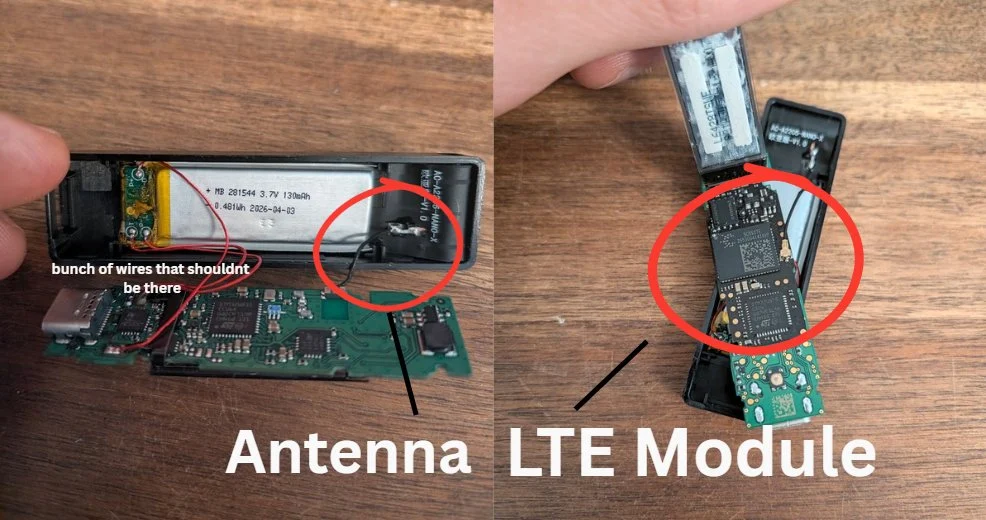
Investigators previously discovered that a Malaysian distributor for the French cryptocurrency hardware wallet manufacturer Ledger systematically tampered with devices. These malicious actors embedded extraneous modules specifically designed to pilfer recovery seed phrases. This catastrophic security breach has currently resulted in the staggering loss of at least 92 million dollars in digital assets. Quite evidently, Ledger will not extend any financial restitution to the afflicted users. However, this insidious incident does not merely plague the Southeast Asian demographic. Deeply troubling reports now confirm that wallets distributed across the European market suffer from identical physical compromises.
European Distributions Exhibit Severe Tampering
A vigilant cryptocurrency enthusiast recently procured a Ledger Nano X wallet from a MediaMarkt retail outlet in Europe. Upon meticulously dismantling the device, the user discovered profound structural alterations. The most alarming discovery involved the clandestine integration of an extraneous circuit board coupled with a concealed LTE module. This is far from an isolated anomaly. The same individual had previously acquired a similar device from a disparate retail location, only to uncover an identical pattern of insidious modification upon disassembly.
Initially, the purchaser hypothesized that this adulterated unit represented a compromised customer return. However, MediaMarkt personnel definitively verified that the transaction involved a completely pristine, factory-sealed product. The retailer maintains a strict protocol ensuring they immediately repatriate all returned Ledger hardware directly to the manufacturer, completely eliminating any possibility of resale.
Vulnerabilities Within the Distribution Network
Internal retail manifests indicate that this specific inventory of Ledger wallets originated from Aqipa GmbH. This German enterprise distributes a diverse array of technological products across the entire European continent. As independent security analysts have highlighted, experts currently cannot ascertain precisely where along the complex supply chain the malicious actors executed this sophisticated hardware manipulation. A highly plausible theory suggests that these cybercriminals masqueraded as official Ledger representatives. Through this deception, they successfully funneled these meticulously compromised variants directly into the downstream distribution network.
Support Our Threat Intelligence
Find our threat intelligence and malware analysis helpful? Support our work today and unlock a 100% ad-free reading experience!
 Buy Me a Coffee
