Skeletal Scans and Height Checks: Meta Deploys Radical “Visual Analysis” AI to Purge Underage Users
 Do Son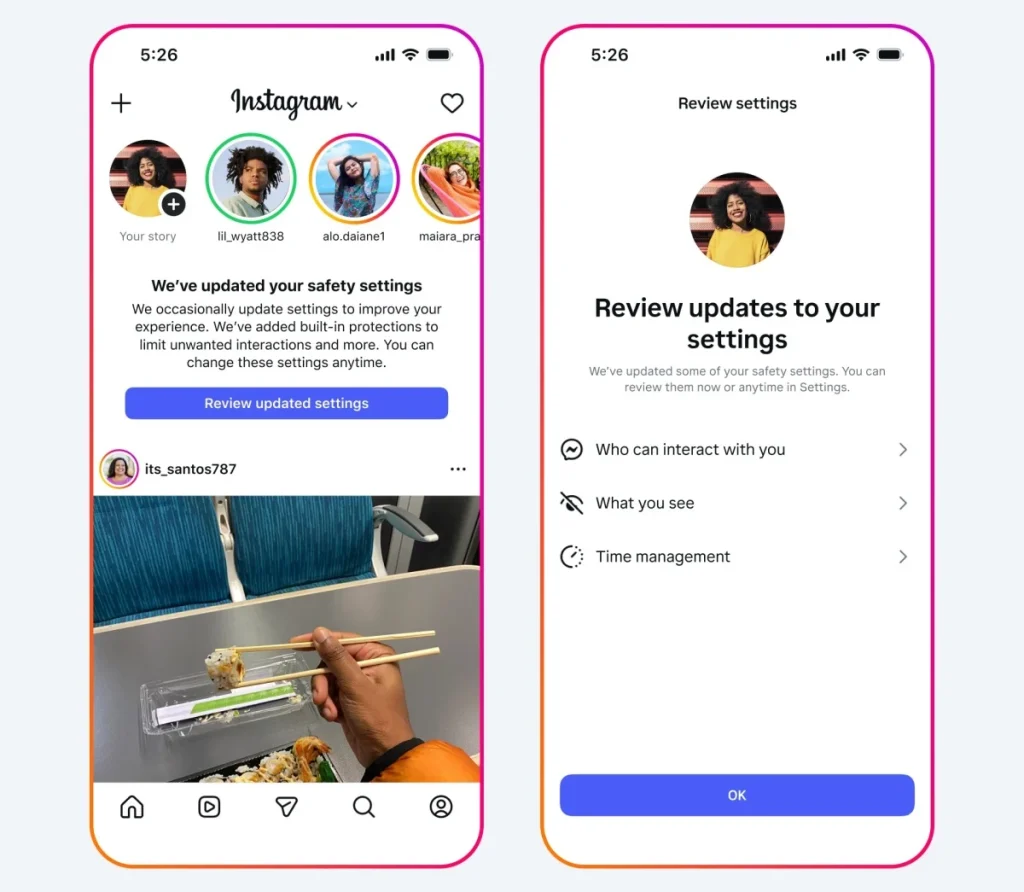
In an effort to preclude children under the age of 13 from accessing Facebook and Instagram, Meta is deploying increasingly radical technological measures. According to recently disclosed particulars, in addition to its established reliance on AI-driven contextual analysis—which scrutinizes posts for mentions of school grades or birthday celebrations—Meta has confirmed the implementation of “Visual Analysis.” This technique involves scanning user-uploaded imagery and footage to analyze physical attributes, such as stature and skeletal structure, to identify underage users who have misrepresented their age.
Addressing the heightened sensitivities surrounding data privacy, Meta clarified in an official communique: “We must unequivocally state that this does not constitute facial recognition technology.”
The corporation explained that the AI system does not ascertain the specific identity of an individual; rather, it parses decentralized visual cues and universal themes—such as height proportions and bone development markers—to estimate an “approximate age.” These visual findings are subsequently cross-referenced with multi-dimensional data, including textual content and account interaction patterns, to significantly bolster the accuracy of detecting and expunging illicit accounts belonging to children.
This visual analysis utility is presently undergoing localized testing in “select nations,” with a phased global rollout anticipated. Should Meta’s systems harbor suspicion that a user is beneath the 13-year threshold, the account will be subject to a mandatory deactivation. To regain access, users must proactively furnish official government identification confirming they have attained the requisite age; failing this, Meta will permanently strike all data associated with the account.
Beyond the absolute prohibition of users under 13, Meta is also accelerating the fortification of its protective protocols for adolescents aged 13 to 15. The firm is actively expanding its age-detection infrastructure with the objective of automatically categorizing this demographic into “Teen Accounts.” These profiles are governed by default settings that enforce more stringent parental supervisions and rigorous content filtration mechanisms.
This initiative is slated for prioritized deployment on Instagram within Brazil and twenty-seven member states of the European Union. Furthermore, it will debut on Facebook, commencing this month in the United States and expanding to the EU and the United Kingdom in the following month. Regarding WhatsApp, Meta has recently introduced an account mechanism managed by parents.
These sweeping maneuvers are being executed under the shadow of immense regulatory pressure from various global jurisdictions, most notably the European Union. Just last week, the European Commission unveiled preliminary findings from an investigation into Meta’s platforms, strongly intimating that the firm has failed to implement sufficient safeguards to deter children from its services. Such a failure may constitute a violation of the Digital Services Act (DSA); if found liable, Meta risks astronomical fines amounting to as much as 6% of its global annual turnover.
Consequently, Meta is compelled to demonstrate its technical prowess and “proactive remediation” to investigators before a final adjudication is rendered.
Support Our Threat Intelligence
Find our tech and OS security coverage helpful? Support our work today and unlock a 100% ad-free reading experience!
 Buy Me a Coffee
