 Do Son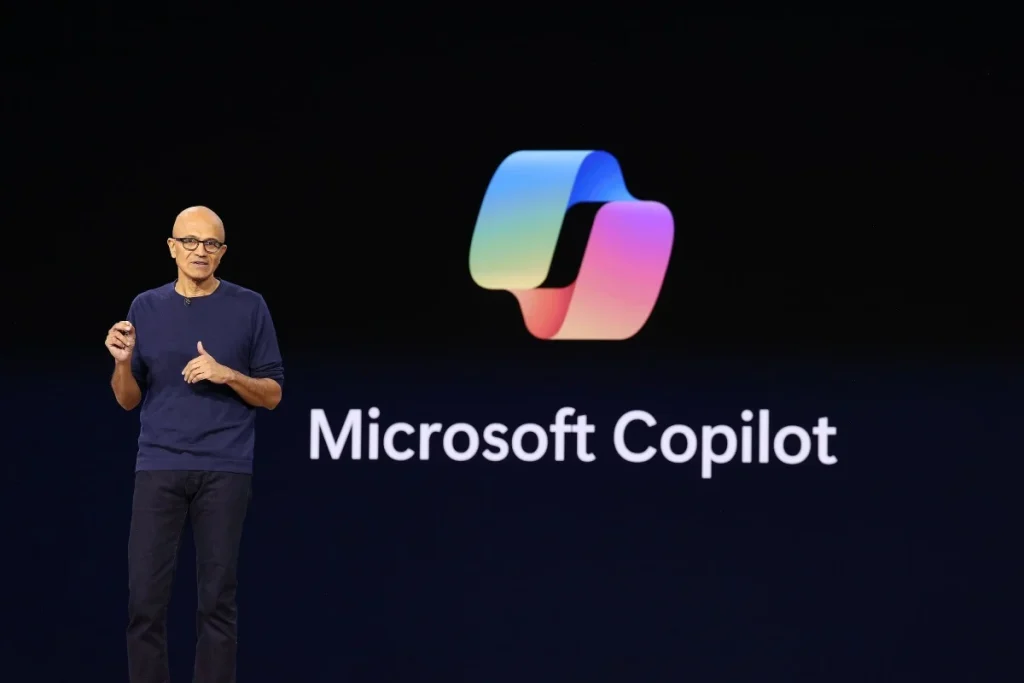
According to recently released technical support documents, Microsoft will progressively merge its consumer and enterprise Copilot applications. Indeed, they will consolidate these into a single unified platform over the coming weeks. For more details on this transition, you can review the changes to the Microsoft Copilot app. This decisive move adapts to the increasingly blurred boundaries between our professional and personal lives. Furthermore, it establishes the foundational architecture for the Copilot Super App. Microsoft CEO Satya Nadella recently teased this revolutionary concept to investors and developers. Ultimately, this comprehensive application will seamlessly integrate conversational capabilities, AI-driven coding, Cowork functions, and AutoPilot agent features. The company anticipates a formal launch by the end of the third quarter, specifically before late September.
Executive Restructuring and Market Share Anxiety
The Battle for Daily User Engagement
This consolidation effort clearly reflects Microsoft’s strategic pivot and underlying anxiety regarding AI adoption. Admittedly, Microsoft completely dominates cloud infrastructure and enterprise software sectors. However, Copilot struggles to retain everyday users when facing formidable adversaries. These rivals include ChatGPT, Google Gemini, and Anthropic Claude.
Sensor Tower estimates reveal a stark contrast in user engagement. The consumer-facing Copilot app recorded approximately 38.5 million monthly active users in July. Conversely, ChatGPT boasts a staggering one billion monthly active users. Meanwhile, Microsoft announced that paid enterprise subscribers for Microsoft 365 Copilot surpassed 30 million last month. Although this figure represents a doubled quarterly growth rate, it constitutes merely 7% of their 450 million commercial seats.
Discarding Unpopular Features
Jacob Andreou currently spearheads this pivotal restructuring initiative. He previously served as a top executive at Snap and assumed control of Copilot products in March. The former leader, Mustafa Suleyman, consequently shifted his focus entirely toward AI model development. In an internal July memorandum, Andreou articulated a clear directive. The team must decisively eliminate unappealing features. Consequently, this bold strategy will grant Microsoft products a genuine opportunity to embed themselves within customers’ daily routines.
Impact on General Consumers
Feature Retirements and Tighter Restrictions
General consumers will experience significant interface and functional modifications after August 18. The rollout of the unified Copilot application drives these impending changes.
- Multiple Features Discontinued: Microsoft will permanently remove several specific tools. These include Copilot Podcasts for AI audio summaries, Group Chat capabilities, and Deep Research functionalities.
- Mico Mascot Relocation: The exclusive voice mode mascot, Mico, debuted less than a year ago. Microsoft will remove this expressive icon from the standard version. Henceforth, Mico will exclusively reside within Copilot’s education-oriented features.
- Constrained Free Quotas: The core conversational abilities of Copilot will remain entirely free. Nevertheless, Microsoft warns that non-paying users might exhaust their usage limits much faster. Users desiring higher allowances must upgrade. Alternatively, they can access the new “Researcher” tool, which replaces Deep Research. Accessing these premium benefits requires a paid subscription to Microsoft 365 Personal or Family plans.
Enterprise and Commercial Sector Adjustments
Unified Interface with Uncompromised Security
These modifications primarily affect the visual interface and user experience for corporate clients. Fortunately, the foundational cybersecurity protocols remain completely uncompromising.
- Nomenclature and Domain Updates: The service previously known as “Microsoft 365 Copilot” will officially become “Microsoft Copilot”. It will also receive a completely redesigned icon. Furthermore, the enterprise portal URL will migrate from “m365.cloud.microsoft” directly to “copilot.cloud.microsoft”.
- Seamless Account Switching: Users can soon log into both personal and work accounts within the identical app. Consequently, they can switch between profiles effortlessly on the go. Microsoft strongly guarantees strict data isolation between these distinct environments. Employers cannot monitor their employees’ personal usage activities. Enterprise-grade security and compliance controls will endure without alteration.
- Crucial IT Department Configurations: The controversial Windows “Recall” screenshot feature requires careful attention. Suppose enterprise IT departments previously configured exclusions for the legacy Copilot app. In that case, they must manually reapply those specific exclusion settings after upgrading to the unified application. These critical security configurations will not carry over automatically.
Resolving AI Fragmentation Through a Super App
This consolidation masterfully exemplifies a classic software engineering philosophy. It prioritizes subtraction before addition. Over the past year, Microsoft rapidly injected Copilot into numerous platforms. They integrated it into Windows operating systems, the Edge browser, Office productivity suites, and standalone applications. Consequently, this aggressive expansion ensured ubiquitous brand visibility. Unfortunately, it also created a highly fragmented and disjointed user experience.
Jacob Andreou is aggressively eliminating underperforming peripheral features. He is simultaneously unifying the entry point for both consumers and enterprises. This decisive action clears the battlefield for the impending Super App launch in September.
The Ultimate AI Operating System
Users will soon only need to open a single application. They can effortlessly plan their daily personal schedules using their private account. In the very next moment, they can seamlessly switch to their corporate profile. They can then summon the AutoPilot agent to draft email responses or analyze financial reports. This frictionless design significantly reduces the friction of managing multiple accounts. Ultimately, this represents Microsoft’s primary weapon. They intend to transform Copilot into the definitive “operating system for modern life” during this AI era.
Simultaneously, the strategic reduction of free usage quotas reveals a clear monetization objective. Once users inevitably acclimate to this powerful super assistant, free limits will feel restrictive. Therefore, purchasing a paid subscription will become the only viable option to maintain a fluid, uninterrupted experience.
Support Our Threat Intelligence
Find our tech and OS security coverage helpful? Support our work today and unlock a 100% ad-free reading experience!
 Buy Me a Coffee
