The 1.6 Billion User Pivot: Satya Nadella’s Plan to Fix Windows 11 and Save the 8GB PC
 Do Son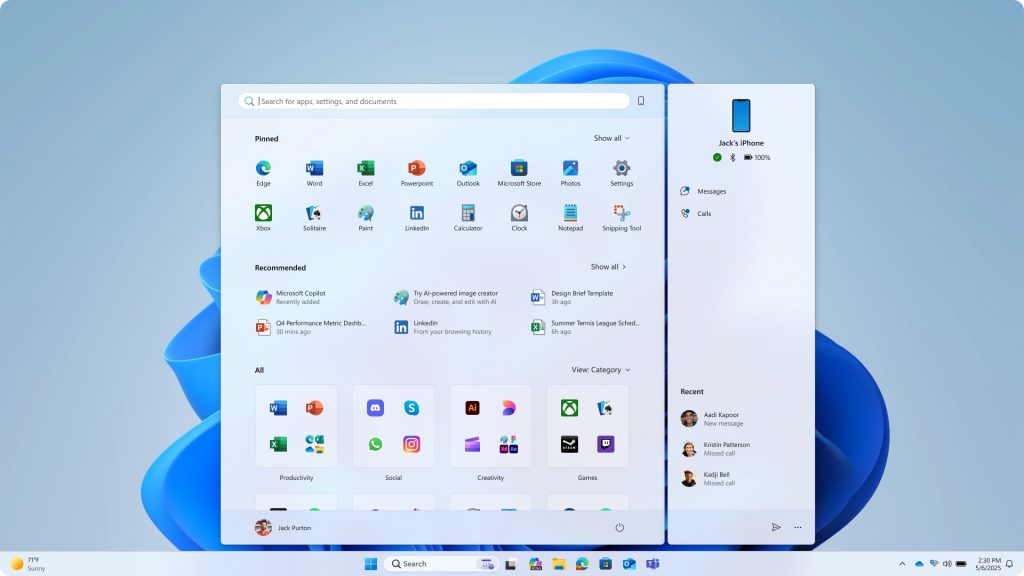
In a recent financial disclosure, Microsoft CEO Satya Nadella reaffirmed the corporation’s renewed dedication to the Windows ecosystem, emphasizing a strategic imperative to bolster user engagement across core assets such as Microsoft Edge and Bing Search.
Nadella articulated that Microsoft is pivoting toward the refinement of fundamental Windows functionalities to reclaim its user base. This strategic shift suggests an internal recognition of the prevailing dissatisfaction with Windows 11, which has prompted many users to retreat to Windows 10 or migrate to rival operating systems—a trend that likely catalyzed Microsoft’s prior announcement regarding significant experiential overhauls.
According to the latest metrics, the monthly active users for Windows have surpassed 1.6 billion, while Bing Search has crossed the 1 billion threshold. The remarkable growth rate of Bing is ostensibly linked to its deep integration within Windows 11; consequently, Microsoft’s resolve to aggressively incentivize the adoption of Microsoft Edge remains steadfast.
It is critical to distinguish that the total monthly active users for Windows do not represent the specific footprint of Windows 11. Given that Microsoft reported approximately 1.5 billion active devices in 2018, the current figure of 1.6 billion monthly active users serves as an imperfect proxy for total hardware volume and obscures the precise distribution of Windows 11 adoption.
Nevertheless, the installation base for Windows 11 continues its upward trajectory. This growth is largely driven by the cessation of Windows 10 pre-installations on new hardware; as legacy devices are decommissioned or upgraded, the Windows 11 user base naturally expands.
Furthermore, Nadella emphasized that Microsoft will prioritize the quintessential features and the core user demographic of the operating system. A pivotal aspect of this strategy is ensuring that Windows 11 operates fluidly on hardware with limited memory—a necessity for sustaining the overall growth of the Windows ecosystem.
This focus is dictated by the current volatility of memory pricing. While Windows has historically been resource-intensive, running Windows 11 on a mere 8GB of RAM can be an arduous task. However, the premium cost of 16GB configurations remains a barrier for many. Industry realities have thus compelled Microsoft to optimize the operating system’s memory footprint, enabling OEM partners to continue offering entry-level devices to the broader consumer market.
Support Our Threat Intelligence
Find our tech and OS security coverage helpful? Support our work today and unlock a 100% ad-free reading experience!
 Buy Me a Coffee
