 Do Son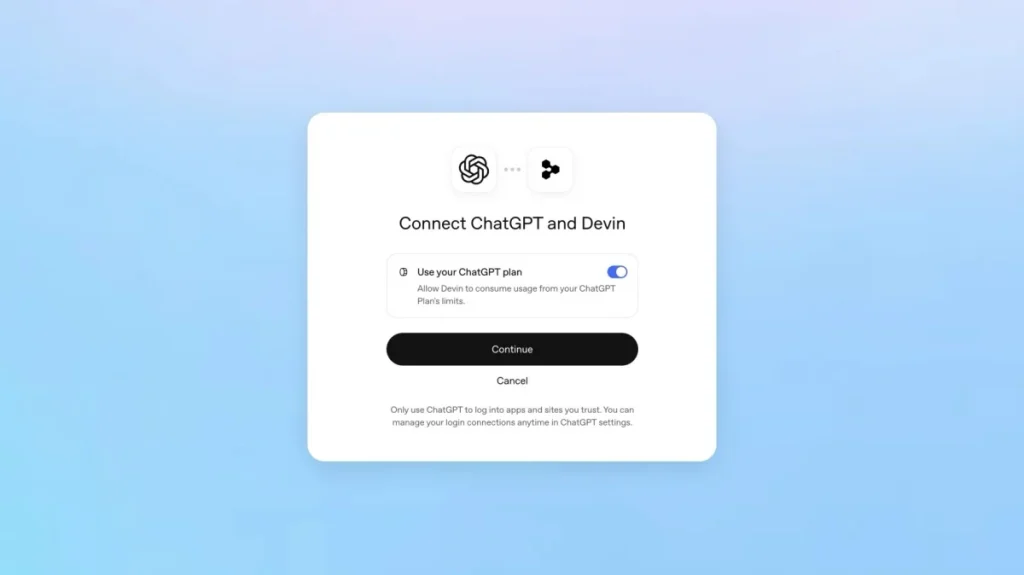
At the recently concluded DevDay developer conference, OpenAI once again galvanized the AI subscription market. The company officially unveiled the “Pro 500,” an elite subscription tier commanding $500 per month. Concurrently with this launch, the organization diminished the privileges of the existing $200 Pro plan. Furthermore, OpenAI formally introduced an autonomous personal AI assistant named “Dots” and premiered a highly cost-effective new model, GPT-6.1 Sol.
The $500 Monthly Velocity Experience and the $200 Tier Attrition
The novel Pro 500 tier primarily targets power users who demand uncompromising computational velocity. It exclusively offers an “Ultrafast” feature. Upon activating this mode, OpenAI Codex and Work applications generate an astonishing 300 tokens per second. This substantially accelerates both code authoring and intricate task execution. Consequently, this superlative speed tier remains equally accessible to API clientele.
However, while elevating the pricing ceiling, OpenAI significantly curtailed the entitlements of the existing $200 Pro subscription. Within Codex and Work, the usage quota for the $200 tier will be halved. It drops precipitously from 20 times that of Plus users to a mere 10 times. Furthermore, in ChatGPT, the weekly message limit for GPT-6 Pro plummets from 200 to 100 messages. Official statements indicate that current subscribers will temporarily retain their original limits. Eventually, they will receive a one-time credit allocation as transitional compensation.
The Advent of the Exclusive Dots AI Assistant
The ubiquitous resident agent, previously rumored under the codename “O,” has now been formally christened “Dots.” All subscription tiers from Pro and above will acquire this exclusive personal AI assistant. Concurrently, all conversational engagements with Dots are entirely exempted from the standard ChatGPT usage constraints.
Additionally, OpenAI unveiled a profoundly ambitious “Sign in with ChatGPT” authentication protocol. It initiated an inaugural wave of partnerships with 16 enterprises, including Notion and Cognition. Ultimately, Plus and Pro users will circumvent the tedious configuration of API keys. By simply authenticating via their ChatGPT credentials, they can seamlessly harness OpenAI computational prowess directly within these third-party platforms.
GPT-6.1 Sol: Approaching Flagship Efficacy
On the frontier of rigorous technology, OpenAI introduced the nascent GPT-6.1 Sol model. The administration emphasized that this architecture demonstrates efficacy virtually on par with the current flagship system, GPT-6.0 Astra. This holds particularly true in domains such as code authoring and computer operation. Remarkably, it incurs merely a fifth of the customary financial expenditure.
GPT-6.1 Sol distinctly fortifies security protocols and boundary comprehension. While executing agentic tasks, it can adhere to safety constraints with superior reliability. It also mitigates the failure rate of unauthorized operations. Effective immediately, this model is accessible to premium patrons within Codex and Work. Forthcoming integration into the broader ChatGPT infrastructure is highly anticipated.
The Insuperable Moat of ChatGPT Authentication
The strategic maneuvers displayed by OpenAI at this event exhibit extraordinary commercial acumen. By drastically truncating the quotas of the $200 configuration, the corporation is essentially compelling intensive developers to ascend to the $500 tier. This methodology of utilizing computational bandwidth to stratify pricing is profound. It signifies that AI Software as a Service has definitively transitioned into a hierarchal era, analogous to cloud hosting bandwidth metering.
Nevertheless, the most profoundly disruptive innovation of this assembly is the synthesis of “Sign in with ChatGPT” and the “Dots” personal assistant. Historically, third-party applications integrating artificial intelligence compelled developers to absorb API expenses. Now, OpenAI endeavors to position ChatGPT as a foundational identity purveyor. Consumers port their subscribed computing power – and potentially their bespoke assistant – to authenticate into third-party software. This paradigm drastically diminishes the AI integration costs for external developers. More importantly, it inextricably tethers elite subscribers to OpenAI, forging an impregnable strategic advantage for the platform.
Support Our Threat Intelligence
Find our tech and OS security coverage helpful? Support our work today and unlock a 100% ad-free reading experience!
 Buy Me a Coffee
