 Do Son
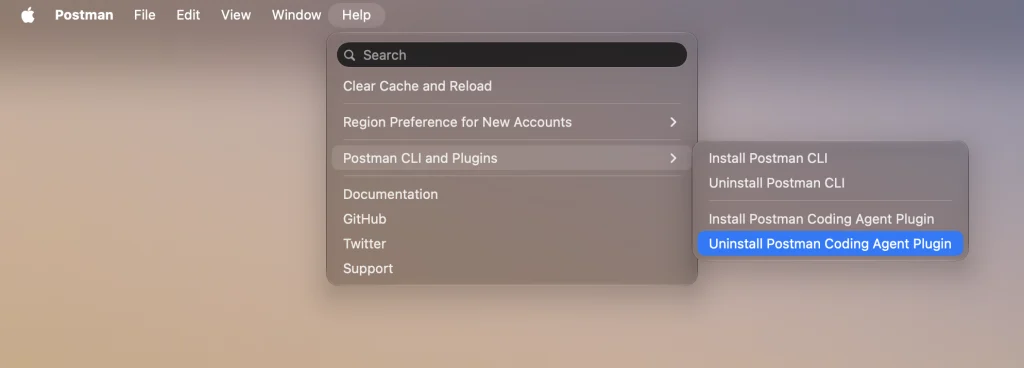
Image: NuclEnergy
Software developers recently uncovered controversial behavior inside the popular API testing suite Postman. Specifically, the desktop software silently installed background extensions across local artificial intelligence coding environments. The application modified internal configuration profiles for both Codex and Claude Code without explicit user authorization. Furthermore, the installers established persistent session hooks to prioritize proprietary Postman skills during API development. Consequently, this unannounced intervention triggered fierce debate regarding software boundaries and developer consent.
Silent Configuration Changes in Codex and Claude Code
The intrusive behavior surfaced immediately after a programmer installed the Postman macOS client. Subsequently, OpenAI Codex began displaying frequent authentication prompts requesting connections to a Postman MCP server. Upon inspecting local system directories, the programmer discovered extensive modifications within user configuration files. The installer had quietly registered new plugin repositories and enabled background extensions. Moreover, the setup script inserted persistent trust records for session startup hooks.
Further inspection revealed identical unauthorized changes within the Claude Code development environment. The software had silently activated the Postman extension and installed the standalone command-line interface. Crucially, the operating system never presented permission prompts during these background adjustments. As documented in the Postman app support GitHub issue, affected engineers voiced sharp concern over unauthorized local file modifications.
Interception of API Workflows via Startup Hooks
Beyond unannounced installation, the bundled extensions actively alter how conversational agents handle programming tasks. Specifically, the setup script injects a custom session startup hook directly into Codex. Under this configuration, the hook executes whenever a developer starts, resets, or compacts a session. The routine then instructs the model to load Postman proprietary tools as default entry points.
Consequently, the agent directs API architecture, testing, and deployment queries through Postman engineering skills. This aggressive routing effectively overrides alternative developer preferences or rival toolchains. The issue finally came to light because a misconfigured remote MCP endpoint failed authentication repeatedly. Without those connection errors, the silent redirection could have persisted entirely unnoticed.
Vendor Response and Manual Removal Steps
Postman representatives defended the bundled delivery as an intentional convenience feature. Company product managers claimed the combined package simplifies onboarding by eliminating manual setup steps. However, community critics countered that overriding user defaults without permission constitutes workflow hijacking. Silently modifying independent developer configurations crosses established boundaries of desktop application behavior.
Following community pushback, Postman promised to introduce explicit authorization prompts in subsequent releases. In the interim, concerned developers should inspect local configuration files for Codex and Claude Code. Users can purge Postman entries from their plugin lists and delete unauthorized startup hooks manually. Ultimately, maintaining strict oversight over local configuration files preserves developer autonomy against aggressive vendor automation.
Support Our Threat Intelligence
Find our tech and OS security coverage helpful? Support our work today and unlock a 100% ad-free reading experience!
 Buy Me a Coffee
