 Do Son

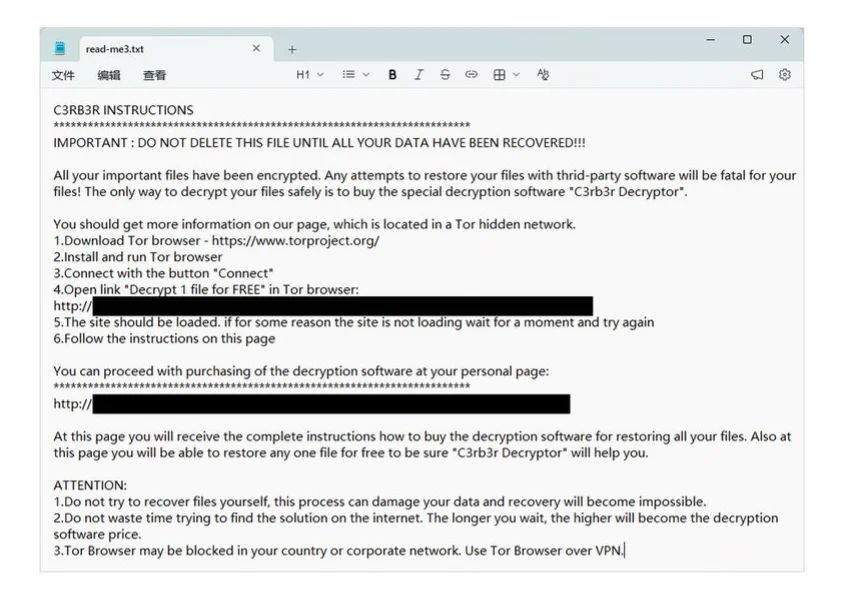
A devastating wave of cryptographic intrusions is sweeping across network-attached storage appliances worldwide. Specifically, a surging Synology NAS ransomware campaign has encrypted sensitive storage volumes using resilient modern ciphers. Because brute-force decryption remains mathematically impossible, impacted administrators must rely solely on isolated backup copies. Furthermore, cybersecurity telemetry reveals that adversaries primarily target internet-exposed units operating outdated operating systems. Consequently, hardware owners face urgent pressure to audit their perimeter defenses.
Exploiting Known Vulnerabilities in Outdated Firmware
Following widespread community reports, the hardware manufacturer initiated an emergency technical inquiry. Security engineers determined that malicious actors are weaponizing previously resolved vulnerabilities across legacy software deployments. According to the official Synology SA-24:20 security advisory, the primary threat vector stems from an integer and encoding defect.
Specifically, the flaw carries the tracking designation CVE-2024-10441 with an alarming CVSS score of 9.8. This critical remote code execution vulnerability resides within internal plugin services managing system output routines. Therefore, unauthenticated remote attackers can execute arbitrary code by transmitting malformed network requests. Moreover, threat analysts at Qihoo 360 observed parallel exploitation targeting flaws patched in September 2026. Regardless of the exact strain, researchers confirmed that zero-day vulnerabilities play no role in these breaches.
Essential Firmware Patches and Supported Branches
Synology urges all corporate and residential administrators to install official operating system updates immediately. To safeguard active appliances, system administrators must verify the following minimum software baselines:
- DSM 7.4 branch: Upgrade to version 7.4-90075 or subsequent builds.
- DSM 7.3 branch: Apply build 7.3.2-86009-4 or newer iterations.
- DSM 7.2.2 branch: Install version 7.2.2-72806-9 without delay.
- DSM 7.2.1 branch: Deploy maintenance release 7.2.1-69057.12 immediately.
Notably, legacy DSM 6.x platforms have reached end-of-life status and will receive no security fixes. Therefore, organizations running older hardware must upgrade to actively maintained releases.
Defensive Hardening and Perimeter Isolation Strategies
Beyond updating software packages, administrators must isolate internal storage hardware from direct public routing. For instance, users should disable port forwarding rules, QuickConnect relays, and public DDNS mappings. If external access remains strictly necessary, teams should deploy encrypted WireGuard tunnels rather than public web ports. Additionally, administrators must enforce multi-factor authentication and rigorous administrative password hygiene across all local accounts.
Finally, enterprises must establish immutable offline backups to counter sophisticated extortion tactics. Cloud synchronization tools like Synology Cloud Sync can replicate vital data directories to remote repositories automatically. However, organizations must ensure these destinations feature versioning histories and ransomware rollback capabilities. Ultimately, proactive patch management and robust offsite backups provide the only definitive defense against persistent network extortion.
Support Our Threat Intelligence
Find our threat intelligence and malware analysis helpful? Support our work today and unlock a 100% ad-free reading experience!
 Buy Me a Coffee
