 Do Son
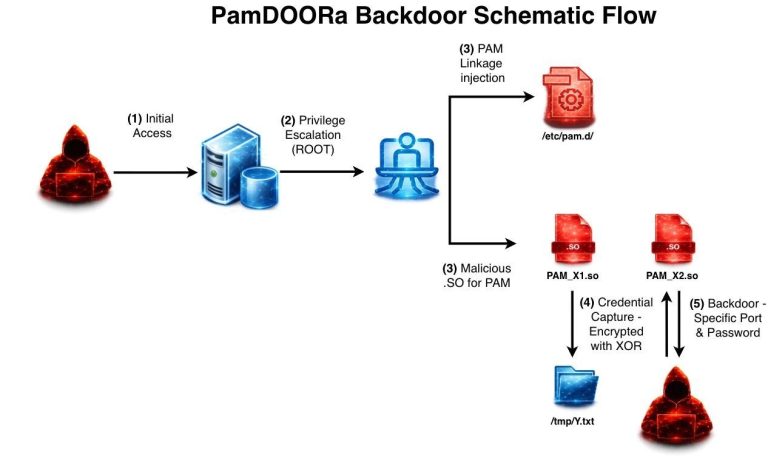
Flare unmasks PamDOORa: a $1,600 Linux backdoor that hijacks the PAM stack to harvest credentials and manipulate authentication logs to evade detection.
anti-forensics
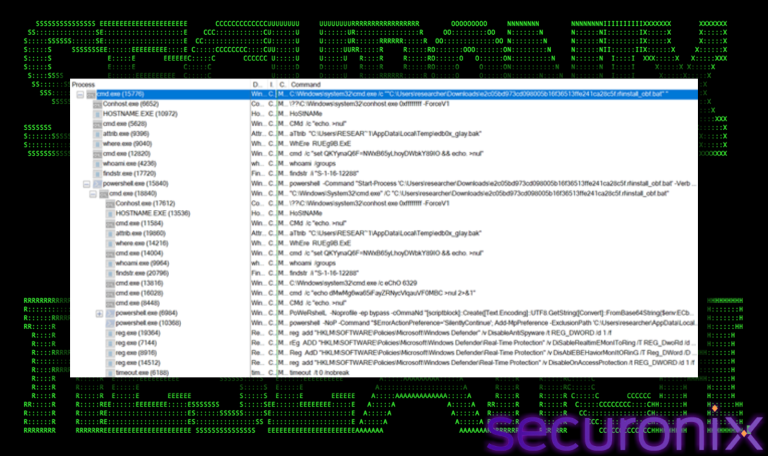
Meta Description (152 Characters)Securonix uncovers Deep#Door: a self-contained Python RAT that uses TCP tunneling and obfuscated scripts to bypass traditional defense. Secure your systems now.

Point Wild reveals a new Remcos RAT variant abandoning local storage for real-time webcam streaming, memory evasion, and aggressive anti-forensics.
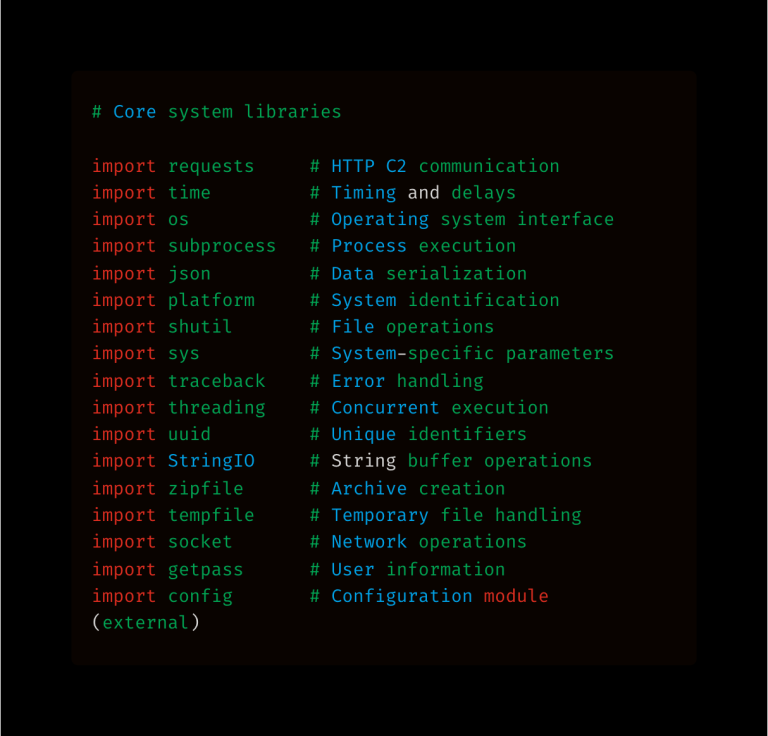
K7 Labs uncovers a stealthy Python-based RAT disguised as an ELF binary. Features adaptive beaconing and anti-forensics to stay hidden. Read the analysis.

Despite takedown, LockBit 5.0 resurges as a cross-platform threat. The new variant blinds Windows Event Tracing (ETW), uses Invisible Mode for stealth encryption, and overwrites free disk space.

CRIL exposed fileless phishing using malicious HTML attachments. Credentials are stolen via a fake Adobe login and instantly exfiltrated to Telegram bots, bypassing traditional domain filters.

NTT exposed WaterPlum APT's multi-platform OtterCandy RAT (v2), which uses Node.js for remote control, targets 7 browser extensions, and now includes anti-forensic trace deletion.

CYFIRMA uncovered Yurei Ransomware, a sophisticated Go-based double-extortion threat that uses ChaCha20 encryption, anti-forensic wipes, and disguises itself as WindowsUpdate.exe to propagate over SMB.

Group-IB uncovers how UNC2891 used Linux bind mounts (MITRE T1564.013) to hide a physical ATM cyberattack, involving a Raspberry Pi and a plan to tamper with HSMs for fraudulent withdrawals.