
 Do Son
The FBI warns of a massive surge in ATM jackpotting attacks. Cybercriminals are using Ploutus malware to bypass the XFS layer and drain cash reserves.
Cyber Threat

CPR reveals VoidLink: the first advanced malware framework architected by AI. Using "Spec Driven Development," it reached functional status in under a week.

Insikt Group reveals Predator spyware's resurgence, with new infrastructure, obfuscation, and a previously unreported customer in Mozambique, despite sanctions.

ESET uncovers BladedFeline, an Iran-aligned APT group, targeting KRG, Iraq, and Uzbekistan in a sophisticated cyberespionage campaign.

A new info-stealer, SoraAI.lnk, is leveraging OpenAI's Sora popularity to infect users. Learn how this sophisticated malware works and how to protect your data.

An unauthenticated flaw in GNOME's remote desktop (CVE-2025-5024) allows attackers to repeatedly crash Linux environments, preventing recovery even after systemd restarts.

A critical flaw in Broadcom's Automic Automation Agent for Unix exposes systems to privilege escalation. Check your version and update to stay secure.

A technical analysis of the More_Eggs malware, detailing its use of ieuinit.exe abuse, DLL side-loading, and polymorphic JavaScript.

CYFIRMA's analysis details Gunra Ransomware's sophisticated techniques, including evasion and data exfiltration, impacting global industries.

North Korean threat group Slow Pisces targets crypto developers with fake job offers and malicious coding challenges. Learn how they steal millions
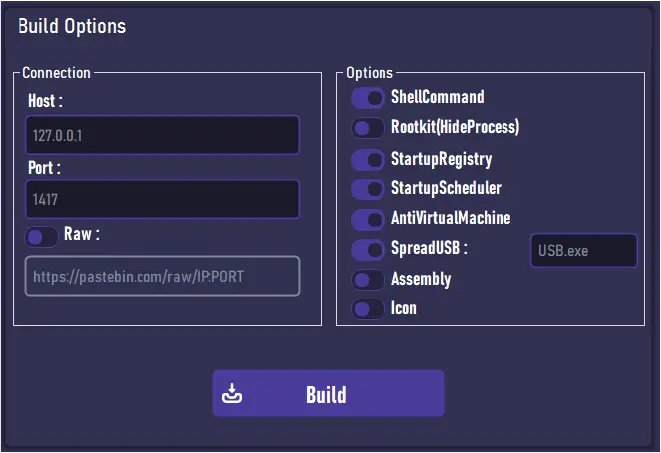
CYFIRMA researchers discovered Neptune RAT, an advanced Remote Access Trojan targeting Windows. Learn about its destructive features, evasion techniques, and distribution methods.

In 2024, the cyber threat landscape is not just a technical challenge; it is a test of our collective resilience and adaptability.