
 Do Son
In the latest wave of tech-sector layoffs, Google has made significant cuts to teams working on key development tools like Flutter, Python

Sources within Google reveal that the company recently laid off its dedicated Python maintenance team.

Two of these vulnerabilities, labeled CVE-2024-29745 and CVE-2024-29748, are already being exploited by bad actors
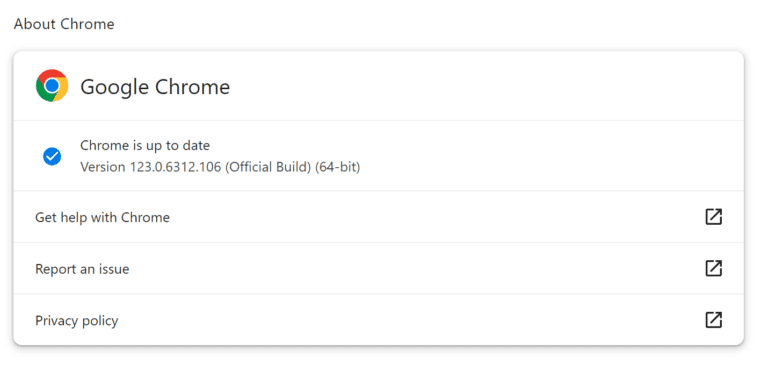
The flaw, designated CVE-2024-3159, involves an out-of-bounds memory access vulnerability in the V8 JavaScript engine.

A new report released by AhnLab Security Intelligence Center (ASEC) uncovers a disturbing tactic hackers are using to spread malware
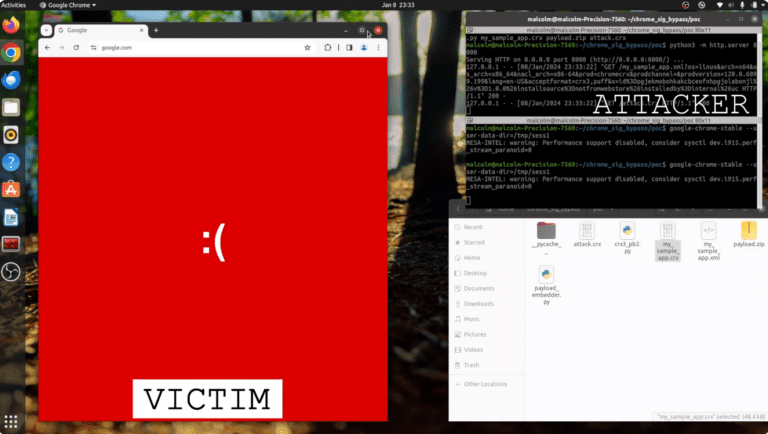
Stagg explains that the CVE-2024-0333 vulnerability stemmed from a peculiarity in how Chrome handles CRX files

CVE-2024-0039 is a critical security flaw in the System component that could lead to RCE with no additional execution privileges needed

A PoC was disclosed for a severe design flaw (CVE-2023-50387, KeyTrap) in Domain Name System Security Extensions (DNSSEC)

A PoC exploit code and technical details have been made available for a zero-day flaw, tracked as CVE-2022-4262, affecting Google Chrome
In a move that underscores the seriousness of the threat, Google confirmed that an exploit for CVE-2024-0519 is already prowling in the wild

Both vulnerabilities, identified as CVE-2023-48419 and CVE-2023-6339, carry the maximum severity rating with a CVSSv3 score of 10.
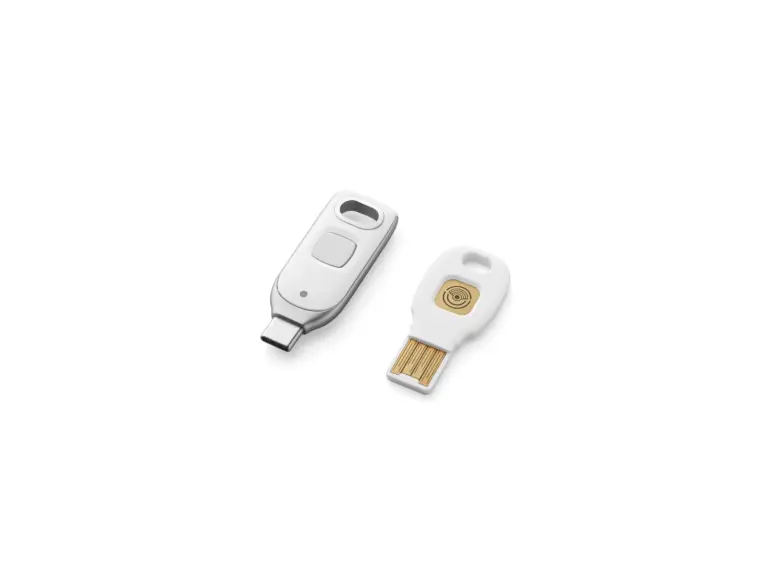
Google has recently introduced a new version of the TITAN Security Key, priced at $30, which substantially enhances security.

Google's research division has unveiled v8CTF, a Capture the Flag (CTF) challenge tailored specifically for its V8 JavaScript engine

Recognizing the depth of this security flaw, Google has assigned a fresh identity: CVE-2023-5129, alongside a daunting 10/10 severity rating

Google has now declared the initiation of a novel reward scheme for the discovery of vulnerabilities within a selection of its own Android applications

Google tracks user browsing behavior on devices by offering specific free fonts for download and installation

2023Q1 saw these phishing campaigns primarily target Ukrainian users, accounting for over 60% of the observed Russian cyber activity
Google recently shared a blog claiming that thanks to hardware-based security keys, Google’s tens of thousands of...
Google’s Android operating team has released a new version of the policy to developers in the past,...

After the European Union issued a €4.3 billion fine for Google, the anonymous search engine DuckDuckGo welcomed...
Facebook appointed Shahriar Rabii, former head of Google’s chip business, as its vice president and head of...
Google next week will face a record EU fine, which is due to Google’s Android smartphone system...