 Do Son
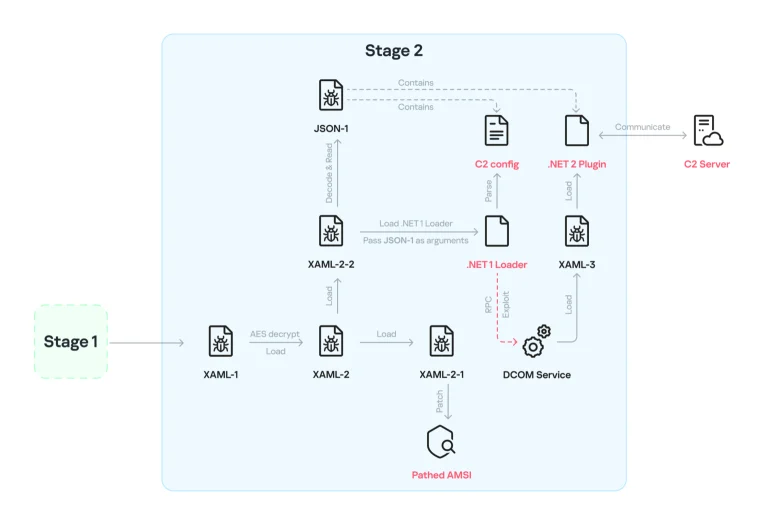
NetamLoader, a new XAML-based .NET loader, points to a supply chain attack on a custom Windows build used by government entities in Asia.
Government

A new consortium including Oracle, Dell, and the Murdoch family is vying to acquire TikTok's U.S. operations, with the goal of securing its core algorithm.

After a call between U.S. and Chinese leaders, progress is being made on a deal for TikTok's U.S. operations. The deal still requires final approval.

A new report reveals that the Pakistan-based APT36 is targeting Indian government entities using spear-phishing and Linux-specific malware to steal sensitive data.

A new regulation in Russia will require all smartphones and tablets sold in the country to come pre-installed with MAX, a state-backed messaging app.

Google has announced the launch of a dedicated version of its AI service, “Gemini for Government,” designed...

CERT/CC reveals critical flaws in Partner Software and Partner Web, including default admin credentials and XSS, that allow unauthenticated RCE on municipal and state systems.

LAB52 uncovers a sophisticated phishing campaign delivering DeedRAT, a modular backdoor by Chinese APTs, targeting Southeast Asian governments via vulnerable AV software.

Kaspersky Labs reveals GhostContainer, a sophisticated backdoor targeting Microsoft Exchange infrastructure in Asia's government and high-tech sectors, using advanced evasion tactics.
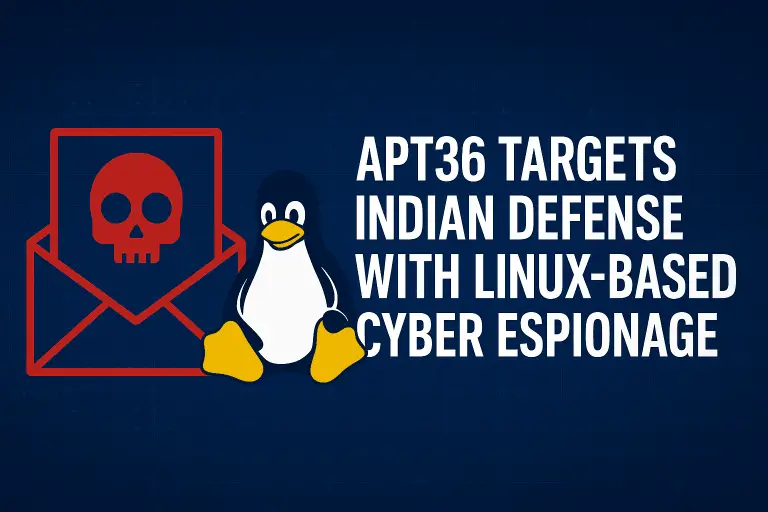
APT36 (Transparent Tribe) is now targeting Indian government agencies via BOSS Linux with spear-phishing. It uses malicious .desktop files to deploy Go-based malware for espionage.

Arctic Wolf Labs reveals UAC-0226 is using evolving GIFTEDCROOK malware in cyber-espionage against Ukrainian military and government, exfiltrating sensitive documents

DRAT V2, a new Delphi-compiled RAT from TAG-140 (SideCopy/Transparent Tribe), is targeting Indian government entities with expanded post-exploitation and refined C2 techniques.

The U.S. House of Representatives has banned WhatsApp on government devices, citing security and transparency concerns. Meta strongly disputes the "high-risk" assessment.

OpenAI signed a $200M contract with the U.S. DoD to develop advanced AI prototypes for military healthcare, procurement, and cybersecurity needs.

A sophisticated spear-phishing campaign using Signal targeted Armenian civil society and government in March 2025, linked to threat actor UNC5792.

Russian-aligned TAG-110 (APT28) is launching a cyber-espionage campaign using macro-enabled Word docs to target Tajikistan's public sector for intelligence.

ProjectDiscovery revealed critical zero-days (CVSS 10) in Versa Concerto, enabling full RCE and host compromise via auth bypass and Docker escape.
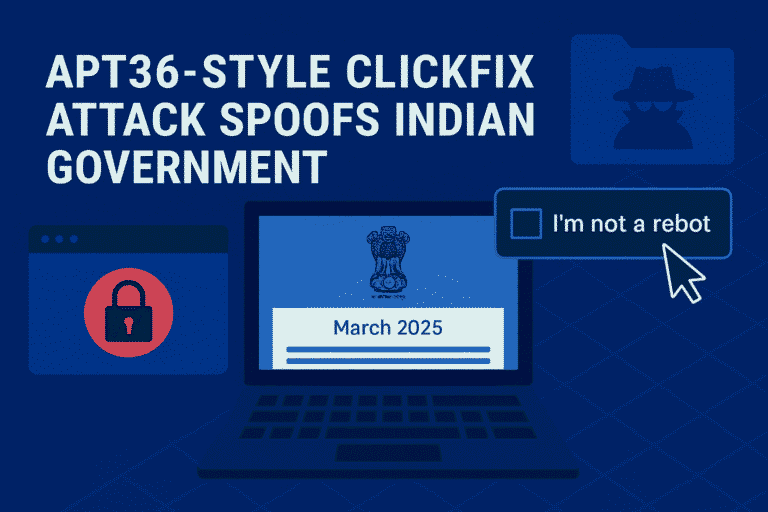
A sophisticated phishing campaign, possibly by APT36, spoofs Indian government sites and uses ClickFix tactics to target Windows and Linux users.