 Do Son
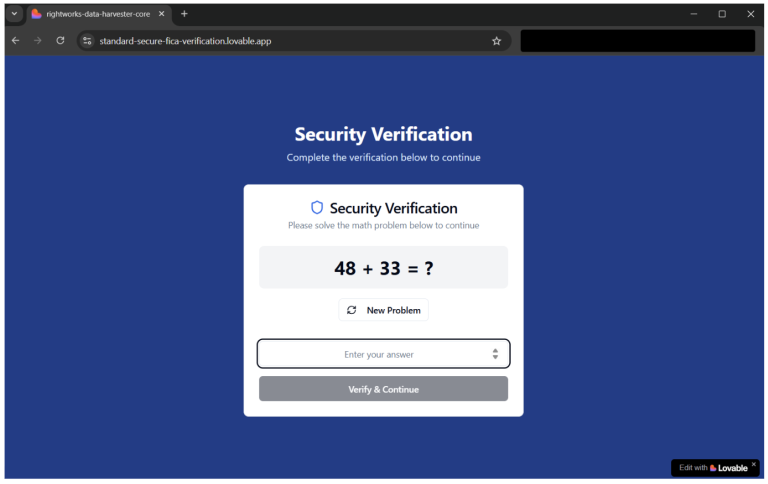
A new report reveals how criminals are using the AI website builder Lovable to create tens of thousands of convincing phishing, malware, and fraud websites.
phishing

IBM X-Force has exposed QuirkyLoader, a new malware loader that uses DLL side-loading and .NET AOT compilation to deliver Agent Tesla and other threats.

A new report uncovers the "Traffer" economy, a sophisticated cybercriminal ecosystem that uses business-like structures and SEO abuse to steal data at scale.

BI.ZONE Threat Intelligence uncovered a series of targeted cyber-espionage campaigns conducted by the Paper Werewolf (GOFFEE) cluster,...

A new report from Unit 42 reveals how cybercriminals are misusing generative AI to create realistic phishing sites, deepfake content, and fraudulent websites.
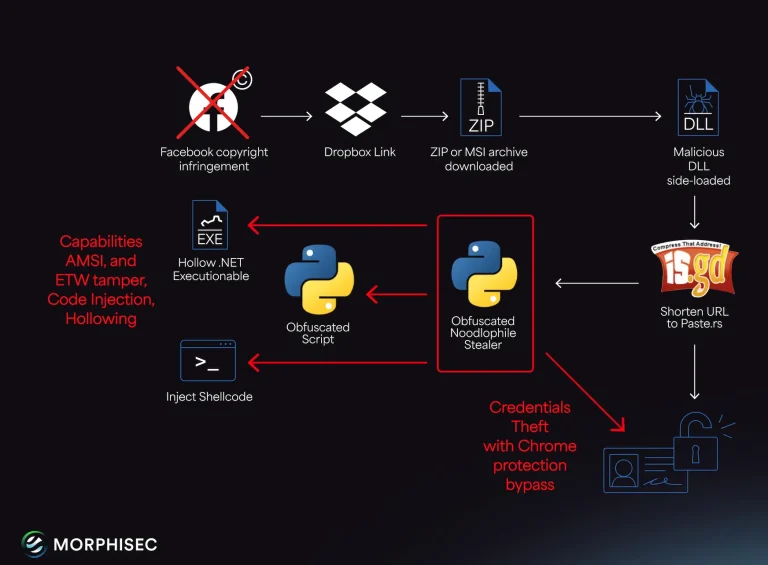
The Noodlophile infostealer has evolved from fake AI platforms to spear phishing, using fake copyright notices and DLL side-loading to target companies.
Phishing Scam Alert: McAfee Uncovers a New Android Campaign Impersonating a Government Solar Program

Phishing Scam Alert: McAfee Uncovers a New Android Campaign Impersonating a Government Solar Program
A new phishing campaign in India uses fake government solar subsidy websites to trick victims into downloading a malicious app that steals UPI PINs and other data.

A new report from Kaspersky warns that cybercriminals are now using AI, deepfakes, and sophisticated social engineering to create nearly undetectable scams.

A phishing attack compromised the maintainer of a popular npm package, eslint-config-prettier, leading to the spread of malware to thousands of projects.

An Ethereum developer lost funds to a fake AI extension that stole his private key, highlighting how even experts can fall victim to sophisticated phishing attacks.

A 2017 Microsoft Office flaw, CVE-2017-11882, is still being exploited by attackers, proving that outdated software remains a major security risk.

New research from Proofpoint shows that attackers can bypass FIDO passkeys using a downgrade attack, forcing a fallback to less secure authentication methods.

A targeted phishing campaign against Israeli organizations uses a PowerShell-based RAT and compromised internal emails for delivery, making detection difficult.

A new advanced phishing kit, PoisonSeed, bypasses MFA with AitM techniques to steal credentials and launch cryptocurrency scams. NVISO uncovers the tactics.

A new large-scale malware campaign is using GitHub repositories disguised as game cheats and software cracks to distribute SmartLoader and steal user data.

Kaspersky exposes Efimer, a new crypto-stealer using fake legal threats and malicious torrents from compromised WordPress sites to hijack wallets and brute-force other sites.

CloudSEK warns of a surge in Raksha Bandhan-themed phishing, fake websites, and UPI scams in India. Attackers use courier lures, fake e-stores, and social engineering to steal money.

Beware of fake Binance ads! This multi-stage malware campaign uses Facebook to trick crypto users, stealing credentials and sensitive data. Stay safe with our tips.

CERT-UA uncovers a new UAC-0099 campaign targeting Ukraine's defense sector. The group uses a toolkit of MATCHBOIL, MATCHWOK, and DRAGSTARE malware for reconnaissance and data exfiltration.

Zscaler reveals an AI-powered phishing campaign targeting Brazilian users. DeepSite AI and BlackBox AI generated fake government websites to steal Pix payments and personal data.

McAfee uncovers a new Android malware campaign targeting Indian users. The malware impersonates major banks to steal financial data and silently mines Monero in the background.
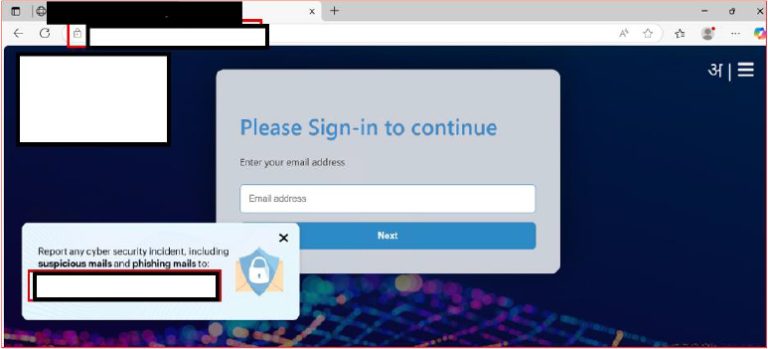
APT36, a Pakistan-linked threat actor, is targeting Indian government officials with phishing campaigns that mimic official websites to harvest credentials and Kavach MFA OTPs in real time.