 Do Son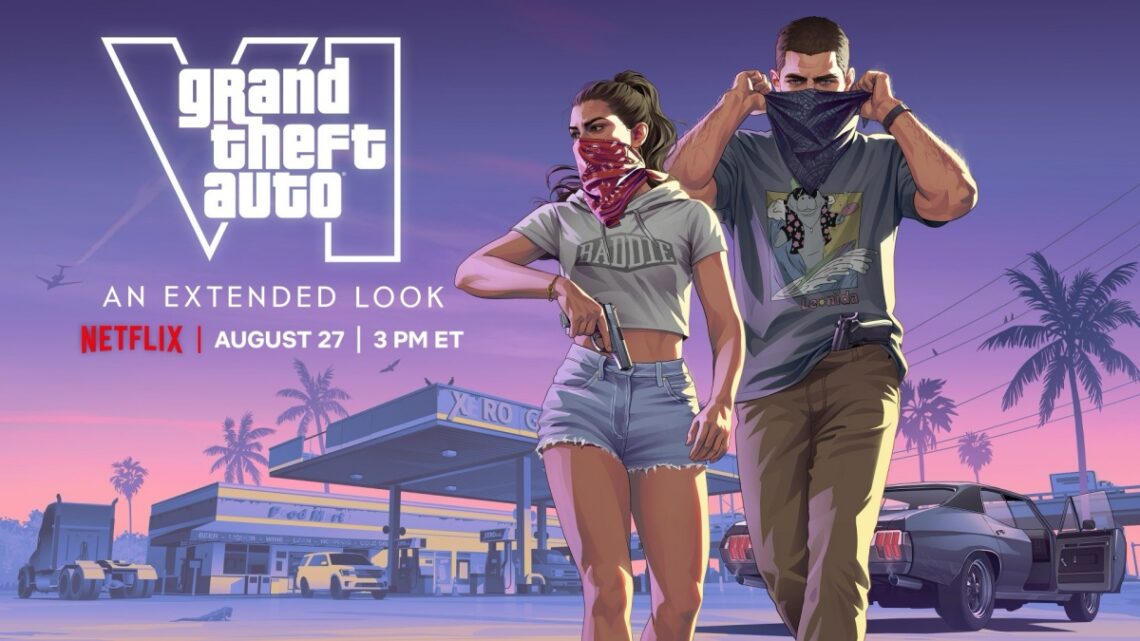
Image: Take-Two
Grand Theft Auto VI, one of the most eagerly anticipated titles among gamers worldwide, is slated for official release this November. However, the game has recently been rocked by a severe leak of in-game footage. In an effort to uncover the truth before launch and the accompanying promotional rollout, Take-Two Interactive – parent company of developer Rockstar Games – has taken decisive legal action. The company has formally issued subpoenas to Microsoft and Discord. They are demanding that both companies hand over user identification data and backend logs tied to the leak.
Targeting “Cyberleek”: Enlisting Microsoft and Discord to Trace the Source
According to media reports and court filings, Take-Two has submitted two applications for DMCA subpoenas to the United States District Court for the Southern District of New York. The primary target is an individual or group operating under the online alias “Cyberleek.” This person or group has repeatedly circulated in-game footage from Grand Theft Auto VI online since August 18. In addition, some evidence suggests the group may possess a functional, playable early test build.
Take-Two’s requests for data from Microsoft and Discord are notably specific. There is a response deadline set for September 4 of this year.
Against Microsoft: GitHub in the Crosshairs
This subpoena targets Microsoft’s code-hosting platform, GitHub. Take-Two alleges that a specific GitHub repository has been used to store its copyrighted material, including video footage, dialogue, and artwork. Beyond demanding its takedown, Take-Two is requiring Microsoft to hand over all internal investigative business records and logs pertaining to the “Cyberleek” alias. In this way, they are attempting to trace the source code leak back to its original poster.
Against Discord: Multiple Accounts and Servers Named
Because the leaker relied heavily on Discord servers to distribute the material, Take-Two is demanding detailed backend information for several specific accounts and servers. The named accounts, which circulated widely as details of the leaked footage spread online, include “CYBERLEEK,” “CINEMATICROCKSTAR,” and “Surfer24k.” The implicated servers include one operated by well-known Grand Theft Auto V content creator DarkViperAU. In addition, there is a server named “!Odyssey.”
Take-Two is aggressively demanding these users’ full legal names, registered email addresses, phone numbers, login IP addresses, linked external accounts (such as Xbox or Google), and even device hardware identifiers (MachineGuid).
Promotional Plans Thrown Into Disarray: Netflix Preview Overshadowed
This leak represents an undeniable blow to Take-Two. Prior to the mass leak of footage, Take-Two and Rockstar had already secured an exclusive partnership with Netflix. They were planning to deliver an “Extended Look” at Grand Theft Auto VI to global audiences on August 27. However, Cyberleek’s premature spoilers not only severely disrupted the company’s meticulously planned marketing rhythm, but may also create difficult-to-measure interference with the game’s subsequent promotional momentum.
This is far from the first time Grand Theft Auto VI has faced a serious security crisis. Back in 2022, an 18-year-old member of the hacking group Lapsus$ successfully breached Rockstar’s internal network using nothing more than a basic Amazon Fire TV Stick. They leaked a large volume of in-development test footage. Ultimately, that hacker was deemed unfit to stand trial due to mental health factors. Additionally, they were judged to pose a risk of reoffending and were ordered into indefinite mandatory hospital treatment.
The Digital-Age Battle Against Leaks: From Passive Takedowns to Cross-Platform Manhunts
In an era where AAA game development costs and marketing budgets routinely reach into the hundreds of millions of dollars, publishers’ tolerance for leaks has fallen to an all-time low.
In the past, game companies facing unauthorized content leaks were largely limited to reactively issuing takedown notices to YouTube or social platforms. But this game of digital whack-a-mole has lost virtually all deterrent power in an age of ubiquitous cloud storage and anonymous messaging apps. A deleted video often reappears on a different Discord server within minutes.
By petitioning a U.S. federal court directly and compelling Microsoft and Discord to surrender users’ connection IPs, device hardware identifiers, and linked accounts, Take-Two is sending an unmistakably strong signal to the industry. Game publishers are no longer content merely to request that videos be taken down. Instead, they are pursuing legal channels to conduct cross-platform digital forensics. They are tracking leakers hiding behind their screens directly and exposing them to criminal liability and potentially astronomical damages claims.
As Grand Theft Auto VI – a genuine phenomenon poised to shatter entertainment industry sales records – approaches its release, the incentives driving hackers toward provocation, whether for traffic, community clout, or potential financial gain, will only intensify. This pre-launch battle to plug the leak tests not only the strength of Rockstar’s internal security defenses, but is also set to become a defining legal benchmark for how the gaming industry handles malicious leaks and cross-platform data disclosure going forward.
Support Our Threat Intelligence
Find our threat intelligence and malware analysis helpful? Support our work today and unlock a 100% ad-free reading experience!
 Buy Me a Coffee
