 Do Son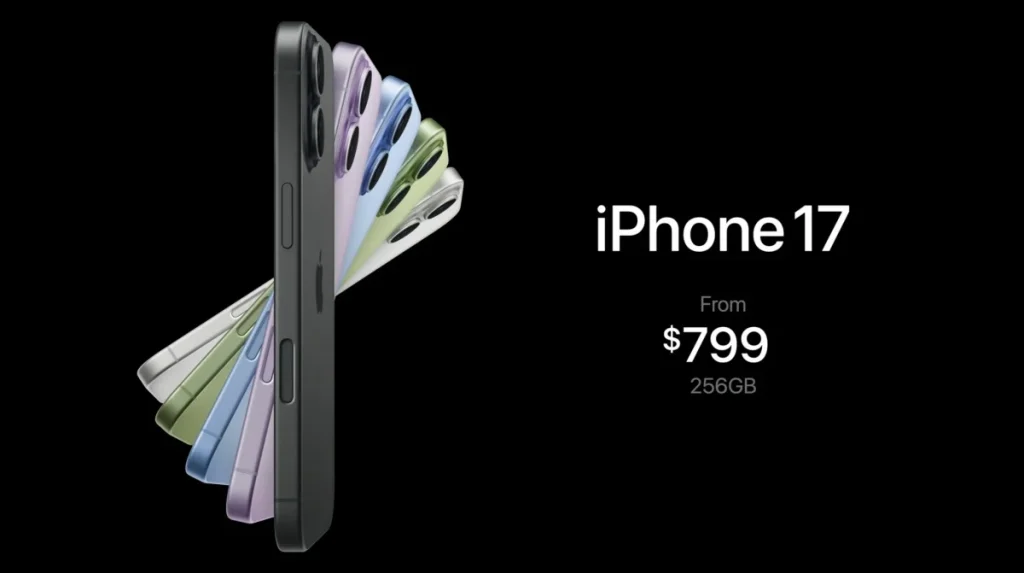
Renowned analyst Ming-Chi Kuo recently disseminated insights regarding the ramifications of escalating memory costs on Apple’s strategic maneuvers. Kuo posits that while Apple is undeniably susceptible to the precipitous surge in NAND flash pricing, the corporation will likely refrain from inflating the retail price of the iPhone 18 series. Instead, Apple aims to preserve its current pricing architecture to aggressively capture a broader market share, subsequently offsetting diminished hardware margins through its diverse ecosystem of subscription services.
The current volatility in the NAND market has beleaguered the entire industry; for many non-AI-centric firms, even a willingness to pay a premium does not guarantee a sufficient supply of components. Conversely, Apple has secured robust agreements with its suppliers to ensure adequate inventory. While industry standards involve monthly price negotiations, Apple has successfully brokered quarterly renegotiations—a formidable feat of procurement. Previously, it was reported that Apple’s contract with Kioxia was adjusted on an annual basis, which inadvertently precluded the supplier from reaping the full rewards of the pricing surge, though Kioxia primarily provides storage rather than volatile memory.
Under the new quarterly framework, NAND suppliers will recalibrate costs with Apple based on prevailing market rates, allowing them to recapture lost profitability. Nevertheless, the fact that Apple maintained such favorable terms while others are forced into monthly volatility underscores its immense leverage. These elevated costs will inevitably compress the gross margins of the iPhone 18 and legacy models. However, Apple’s strategy is crystalline: exploit the broader market turbulence by absorbing the fiscal burden of chip scarcity, thereby securing its supply chain and fortifying its market dominance.
Consequently, Apple is expected to steadfastly avoid price hikes for the iPhone 18 series debuting this autumn—at least regarding the entry-level models. Such price stability serves as a potent marketing instrument. Whether the higher-tier “Pro” variants will remain immune to inflation remains a subject of ongoing observation. Ultimately, Apple recognizes that the crisis extends beyond memory; as the proliferation of AI servers continues to cannibalize the supply chain, shortages in auxiliary components may emerge, necessitating proactive and strategic stockpiling.
Related Posts:
- iPhone Air Flops: Apple to Slash Production by Over 80% After Weak Sales
- Apple Planning Cheaper 13-inch MacBook with A18 Pro Chip, Mass Production Late 2025
- iPhone Fold Hinge Costs Drop to $70-$80, Boosting Viability for Mass Production in 2026
- Hardware Inflation: Dell Hikes Business PC Prices by up to 30% as Memory Costs Skyrocket
Support Our Threat Intelligence
Find our tech and OS security coverage helpful? Support our work today and unlock a 100% ad-free reading experience!
 Buy Me a Coffee
