The IP Wall Falls: Disney Invests $1B in OpenAI to License 200+ Characters for AI
 Do Son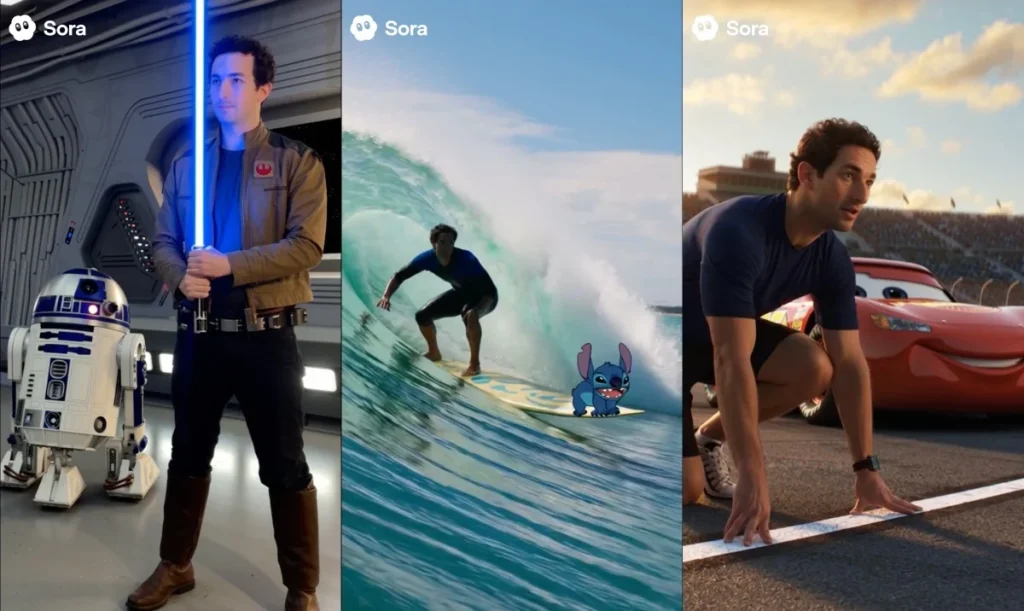
Long regarded as the “most formidable legal department in the Western Hemisphere,” Disney has historically guarded its intellectual property with near-impenetrable vigilance. Yet in the age of artificial intelligence, even Disney has chosen a different path. The company has announced a landmark agreement with OpenAI, under which Disney will invest USD 1 billion in OpenAI equity and receive warrants granting rights to purchase additional shares in the future.
The two companies will embark on a three-year deep collaboration, granting OpenAI the right to incorporate more than 200 iconic Disney characters into Sora for video generation and ChatGPT Images for still-image creation—features expected to open to fans in early 2026.
According to official disclosures, OpenAI’s Sora (short-form video) and ChatGPT Images (static images) will be permitted to use over 200 characters from Disney, Pixar, Marvel, and Star Wars. The roster includes not only timeless icons such as Mickey, Minnie, Simba, and Belle, but also modern favorites from Frozen, Zootopia, Inside Out, and more. Marvel and Star Wars contributions encompass a formidable lineup: Iron Man, Thor, Thanos, Deadpool, Darth Vader, Yoda, the Mandalorian, and other cultural heavyweights.
The license extends far beyond characters alone. It includes costumes, props, vehicles, and famed environments—meaning fans will soon be able to generate AI scenes such as Deadpool wielding a lightsaber in front of the Disney castle. However, Disney has erected an absolute firewall around human likenesses. The agreement explicitly excludes the portraits or voices of real actors (Talent), a direct nod to Hollywood guild concerns regarding AI “digital doubles.” This ensures that performers such as Robert Downey Jr. and Mark Hamill remain fully protected.
Perhaps the most intriguing aspect is the possibility of reverse content flow. Beginning in early 2026, selected high-quality Sora-generated shorts will be showcased on Disney+ as curated selections—an unprecedented break from Disney’s long-standing tradition of streaming only its own studio-produced content.
Disney will also become a major enterprise customer of OpenAI, adopting its APIs to build new tools and deploying ChatGPT internally for employees. Both CEOs—Bob Iger and Sam Altman—emphasized their shared commitment to developing AI that is responsible and fundamentally human-centric.
This strategic pivot is, in my view, a masterstroke. Rather than allowing the internet to drown in low-quality or infringing AI-generated Mickey Mouse videos, Disney has chosen to become a significant OpenAI stakeholder through equity and warrants.
With this USD 1 billion investment, Disney has not merely acquired technology—it has secured a seat at the table where the rules are written. Disney now defines what AI may use (virtual characters, props) and what remains off-limits (real human likenesses), while simultaneously funneling AI-generated fan creations back into Disney+ to amplify engagement and viewership.
And if the copyright titan of the West has embraced AI, one cannot help but wonder: will Nintendo—the “most fearsome legal department in the Eastern Hemisphere,” renowned for its uncompromising stance on IP protection—eventually soften its resistance to generative AI? This will undoubtedly be a development to watch closely.
Related Posts:
- California Man to Plead Guilty in Hack of Disney Employee, Theft of 1.1TB of Confidential Slack Data
- Iron Cybercrime Group use HackingTeam tools to spread ransomware
- PoC Exploit Released for MacOS SUHelper Root Privilege Escalation
Support Our Threat Intelligence
Find our tech and OS security coverage helpful? Support our work today and unlock a 100% ad-free reading experience!
 Buy Me a Coffee
