The Miami Glitch: How a Single Config Error Leaked Cloudflare’s IPv6 Routes to the Global Internet
 Do Son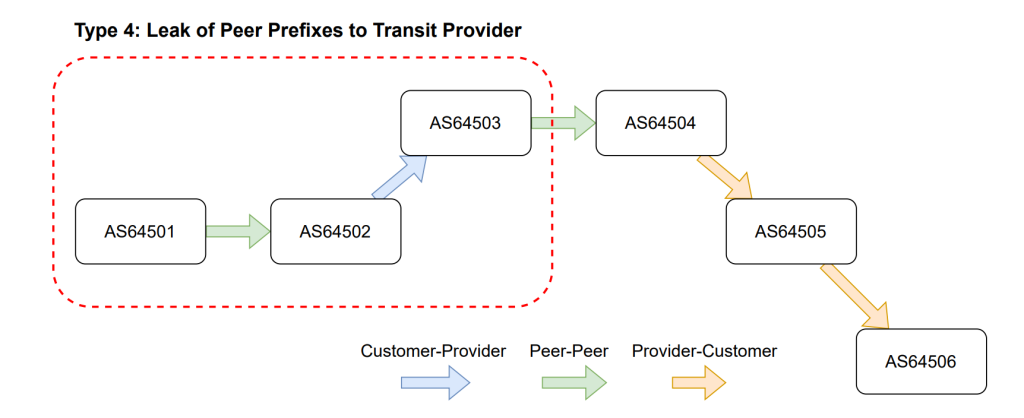
Image: Cloudflare
The network infrastructure titan Cloudflare recently disseminated a comprehensive technical post-mortem regarding a consequential Border Gateway Protocol (BGP) route leak. This anomaly, which persisted for twenty-five minutes, specifically compromised IPv6 traffic, precipitating palpable network congestion, packet loss, and an aggregate throughput deficit of approximately 12Gbps.
The BGP ecosystem facilitates the exchange of routing information between Autonomous Systems (AS), enabling data to traverse a tapestry of disparate networks toward its ultimate destination. This particular disruption was precipitated by an inadvertent policy misconfiguration that resonated far beyond Cloudflare’s immediate clientele, impacting the broader internet. On January 22, Cloudflare inadvertently orchestrated a hybrid of Type 3 (cross-peer leak) and Type 4 (leaking provider routes to a peer) route leaks, as defined by RFC 7908. The failure originated during a policy modification intended to restrict the advertisement of Bogotá-based IPv6 prefixes in Miami.
The deletion of a specific prefix list inadvertently rendered the export policy overly permissive, causing the routing logic to accept all internal (iBGP) IPv6 routes and disseminate them to external neighbors. Consequently, Cloudflare’s backbone redistributed all internal IPv6 prefixes, which automated systems then propagated to every BGP peer in the Miami region. A BGP route leak occurs when an Autonomous System violates the “valley-free” routing principle by erroneously advertising routes learned from one peer or provider to another, thereby attracting traffic to a network that was never intended to facilitate such transit.
Routing policies are meticulously optimized by major providers; thus, diverting traffic into unauthorized networks often results in congestion, latency, or suboptimal pathing. Furthermore, in environments where firewall filters are configured to accept traffic exclusively from authorized providers, these anomalous data streams are summarily discarded. Beyond operational degradation, such incidents harbor significant security implications, as intercepted traffic passing through unauthorized providers becomes vulnerable to surreptitious inspection or interception.
Upon detection, Cloudflare engineers intervened manually to rescind the volatile configuration and suspend automated workflows, successfully neutralizing the impact within twenty-five minutes. The corporation noted the striking similarities between this event and a previous disruption in July 2020. To forestall future occurrences, Cloudflare has proposed a suite of remedial measures, including the implementation of more stringent community-based export safeguards, integrated CI/CD validation for policy alterations, enhanced early detection mechanisms, and the accelerated adoption of RFC 9234 and RPKI ASPA (Autonomous System Provider Authorization).
Related Posts:
Support Our Threat Intelligence
Find our threat intelligence and malware analysis helpful? Support our work today and unlock a 100% ad-free reading experience!
 Buy Me a Coffee
