The Wristband Revolution: Meta’s Revived Smartwatch Aims to Control the Future of AR
 Do Son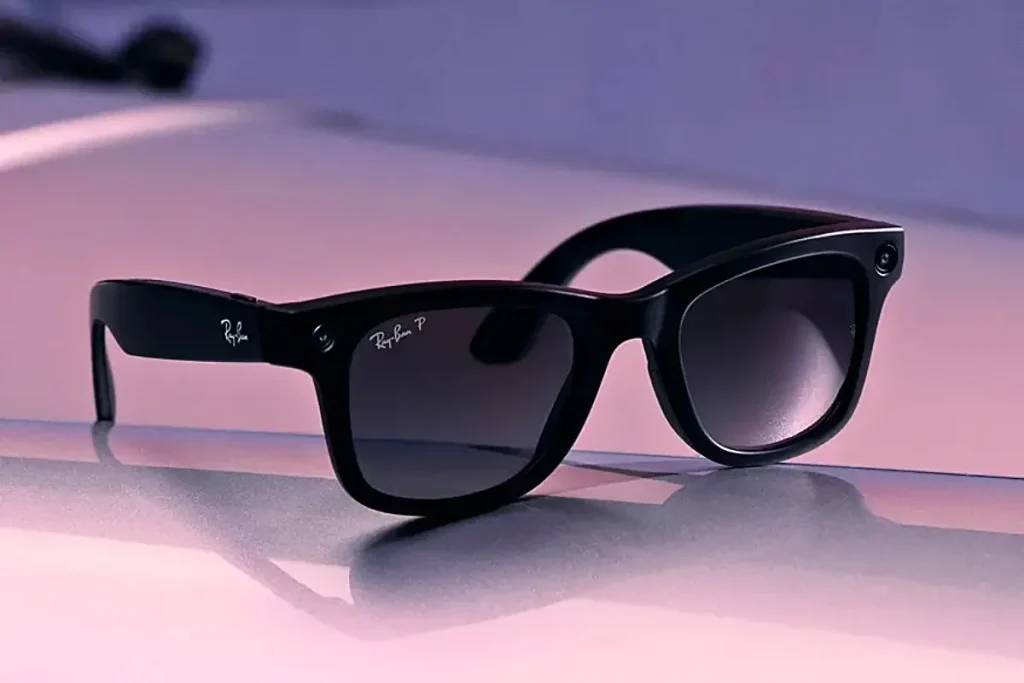
Propelled by the cresting wave of generative artificial intelligence, Meta’s smartwatch initiative—once relegated to the shadows of corporate dismissal—appears to have reached a pivotal turning point. According to a recent expose by The Information, the tech titan is poised to penetrate the wearables market later this year with the debut of its inaugural smartwatch.
This revitalized endeavor, internally codenamed “Malibu 2,” focuses predominantly on comprehensive health telemetry and the seamless integration of the Meta AI assistant. To recall, Meta’s initial foray into horological technology dates back to 2021, when rumors circulated regarding an ambitious, Android-based timepiece featuring radical concepts like a detachable display and a tripartite camera array. However, the fiscal tempests of 2022 and the substantial deficits incurred by the Reality Labs division saw the project unceremoniously mothballed amidst sweeping austerity measures.
Following the recent reduction of over 1,000 personnel at Reality Labs to stem financial hemorrhaging, CEO Mark Zuckerberg articulated a strategic pivot. During an earnings call, he emphasized that future investments would gravitate toward “eyewear and wearables.” The resurrection of “Malibu 2” stands as the concrete manifestation of this tactical realignment. The question remains: why would Meta choose to enter a “red ocean” market currently dominated by the likes of Apple Watch, Garmin, and Samsung? The catalyst likely resides in the unprecedented triumph of their Ray-Ban smart glasses.
Meta’s collaboration with EssilorLuxottica has yielded extraordinary dividends, with shipments reportedly approaching six million units last year. This robust demand in the United States even compelled Meta to defer the international expansion of its upcoming “Ray-Ban Display” iterations. Analysts postulate that the most cogent motivation for a proprietary smartwatch is the integration of Neural Wristband technology. By embedding surface electromyography (EMG) sensors directly into the watch, Meta can facilitate precise gesture controls for its eyewear, while simultaneously offering a terminal for its AI voice assistant, thereby forging a symbiotic ecosystem.
Despite the imminent arrival of the timepiece, Meta is exercising caution to prevent internal product cannibalization. Reports indicate that with approximately four Augmented Reality (AR) and Mixed Reality (MR) devices currently in development, the firm has recalibrated its release schedule to avoid market saturation. Consequently, the highly anticipated next-generation mixed reality headset, known internally as “Phoenix,” has been deferred until 2027 to ensure a more measured dissemination of hardware.
Related Posts:
Support Our Threat Intelligence
Find our tech and OS security coverage helpful? Support our work today and unlock a 100% ad-free reading experience!
 Buy Me a Coffee
