 Do Son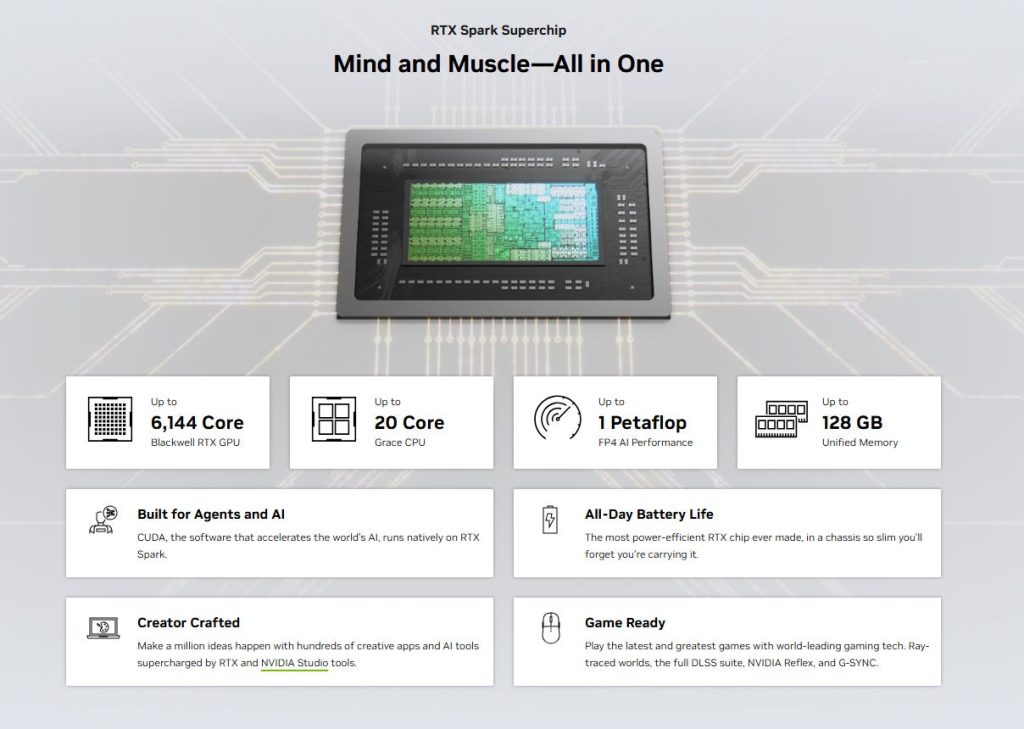
Image: Nvidia
Microsoft is developing a novel memory management feature for Windows 11. This innovation primarily targets devices utilizing shared memory architectures. These systems uniquely allow the CPU, GPU, and NPU to share identical memory units. This specific architecture significantly enhances overall resource utilization efficiency. However, distributing this memory logically among diverse processing units poses a distinct challenge.
Transitioning to User Autonomy
Traditional computers customarily employ a segregated memory design. These older machines possess independent system memory and dedicated video RAM. The main processor utilizes the system memory exclusively. Meanwhile, the discrete graphics card relies solely upon its dedicated video RAM. During actual operation, these two memory types remain entirely separate. They do not interact or share resources under any circumstances.
The Rise of Unified Architectures
Conversely, select modern AI PCs already embrace a unified memory architecture. For example, certain devices featuring Arm chips utilize this centralized approach. The AMD RYZEN AI Max processor series also adopts this modern design. Furthermore, the NVIDIA RTX SPARK platform incorporates this exact same centralized memory framework. Therefore, the operating system must allocate memory intelligently based on fluctuating scenarios.
Empowering User Control
This new Microsoft feature empowers users to allocate memory dynamically. Users can adjust these resources based on their immediate, practical task requirements. For instance, gamers can explicitly reserve more memory for the graphics card. Alternatively, individuals frequently utilizing local AI features can reserve memory for the NPU.
Early Development Stages
This memory allocation functionality currently remains in its preliminary developmental stages. Nevertheless, observant users can already spot relevant text strings within Windows 11 beta builds. These strings specifically mention memory reserved for hardware accelerators. They also reference memory designated for both graphics and artificial intelligence acceleration. Furthermore, they outline options allowing the system to reserve additional memory. This extra memory specifically targets graphics-intensive and AI-heavy games and applications.
Anticipating the Future of AI PCs
Microsoft has not yet addressed this memory allocation control within its official blogs. Presently, a relatively small number of users utilize AI PCs for gaming. However, these proactive memory control features will become utterly crucial soon. They will prove vital for gamers once AI PCs inevitably achieve mainstream dominance. Ultimately, we must patiently await official documentation from Microsoft. The company will release these details upon finalizing the development process.
Support Our Threat Intelligence
Find our tech and OS security coverage helpful? Support our work today and unlock a 100% ad-free reading experience!
 Buy Me a Coffee
