 Do Son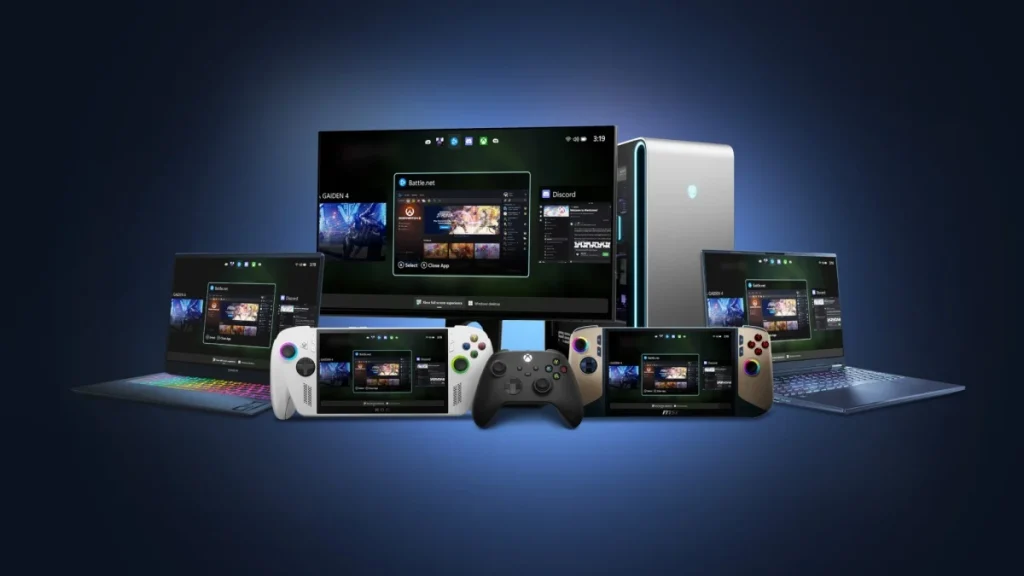
In response to the seismic shifts within the gaming industry and an escalating crisis of player confidence, Matt Booty, Microsoft’s Vice President of Gaming and Chief Content Officer, alongside Lead Asha Sharma, has disseminated a potent internal communiqué to their global workforce. In a rare display of corporate candor, the letter acknowledges the profound frustration felt by the community and the strategic stagnation of the platform, formally announcing the dissolution of the “Microsoft Gaming” moniker in favor of a definitive return to the “Xbox” brand.
The missive opens by invoking the rebellious spirit that defined Xbox’s inception twenty-five years ago, yet swiftly pivots to a stark admission that “much work remains.” Booty and Sharma meticulously delineate the current malaise: a disillusioned player base, a decelerating cadence of console feature updates, and a tepid presence within the PC ecosystem. They further highlight the burden of escalating software pricing and a fragmented core user experience—spanning search, social interaction, and personalization—that fails to meet modern expectations.
Moreover, the pressure is not confined to the consumer; developers and publishers are increasingly demanding superior engineering tools and more nuanced data analytics. Confronted by the meteoric rise of decentralized platforms like Roblox and the formidable growth of creators in Asian and emerging markets, leadership asserted a transformative mantra: “The legacy models that brought us here will not carry us forward.”
To signal this institutional metamorphosis, the organization is shedding the “Microsoft Gaming” title, which leadership views as merely descriptive of a corporate hierarchy rather than a vessel for cultural ambition. Under the new “North Star” strategic framework, the primary metric for success has shifted from hardware units or Game Pass subscriptions to Daily Active Players. Xbox aspires to become a ubiquitous “Global Platform,” ensuring that a player’s library, progression, and digital identity fluctuate seamlessly across consoles, PCs, mobile devices, and the cloud.
To realize this vision, Xbox has codified four strategic imperatives, highlighted by several groundbreaking blueprints:
- Hardware: Beyond stabilizing the current ninth-generation ecosystem, the letter unveils “Project Helix.” This ambitious hardware initiative aims to secure performance leadership through a bespoke architecture capable of executing both Xbox console and native Windows PC libraries. This suggests the future of Xbox is a highly customized “living room PC” that bridges the divide between closed ecosystems and open PC storefronts.
- Content: The strategy emphasizes the expansion of legacy intellectual properties with a “mobile-first” focus aimed at China and emerging markets. Simultaneously, substantial resources will be funneled into creator-centric platforms like Minecraft and Sea of Thieves.
- Experience: A commitment to rectifying foundational infrastructure includes a total overhaul of the User Interface (UI), focusing on social connectivity and game discovery to establish Xbox as the premier environment for developers to cultivate their audiences.
- Services: Addressing recent controversies surrounding Game Pass pricing, the letter underscores the necessity of “stringent cost management” to ensure long-term economic sustainability. Furthermore, cloud gaming initiatives will expand to television sets and low-cost streaming peripherals.
In a climactic revelation, the communiqué hints at a radical reassessment of exclusivity, release windowing, and AI implementation, strongly implying that more first-party blockbusters may soon grace PlayStation or Nintendo architectures.
This “We Are Xbox” declaration represents a profound spiritual restructuring following the fiscal pressures of the Activision Blizzard acquisition and the backlash from recent studio closures. The most disruptive element remains “Project Helix”; recognizing the difficulty in surpassing PlayStation 5 hardware sales, Microsoft is leveraging its domestic hegemony over the Windows ecosystem. If a $500 console can natively execute PC titles from Steam or the Epic Games Store, it fundamentally rewrites the rules of the living room, drawing the vast PC community into the Xbox hardware orbit.
By pivoting KPIs from unit sales to daily engagement and re-evaluating the merits of exclusivity, Xbox has embraced a new reality: in an era where Triple-A development costs hundreds of millions, sequestering titles within a “plastic box” is an archaic pursuit. If selling Halo or Forza to a PlayStation 5 user bolsters active engagement and software revenue, it is deemed a strategic victory. Reclaiming the mantle of the “challenger” and the “rebel” may well be the catalyst for this emerald titan’s resurgence.
Support Our Threat Intelligence
Find our tech and OS security coverage helpful? Support our work today and unlock a 100% ad-free reading experience!
 Buy Me a Coffee
